



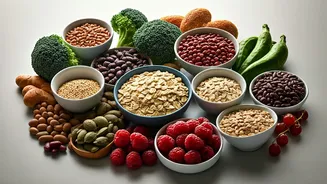


Why Protein Is More Than Just Muscle
When you hear 'protein,' you might picture a bodybuilder with a shaker bottle. But this essential macronutrient is a fundamental building block for your entire body, not just for muscles. Every cell, from your hair and skin to your immune system, relies
on protein. It helps create enzymes that power chemical reactions and hormones that send signals throughout your body. Adequate protein is crucial for repairing tissue, supporting bone health, and keeping you feeling full and satisfied after a meal, which can help in weight management. Think of it as the tireless construction crew that builds, maintains, and repairs everything in your body.
The Protein Gap in Indian Diets
The headline's claim holds significant weight in India. While many traditional Indian meals include protein sources like dal and legumes, the overall quantity is often insufficient to meet daily needs. A widely cited 2017 survey by the Indian Market Research Bureau (IMRB) revealed that over 70% of urban Indians have a protein-deficient diet. This is often due to a reliance on carbohydrate-heavy meals where rice or rotis form the bulk of the plate, with protein serving as a smaller side. Even for vegetarians who consume pulses and dairy, the total intake can fall short of the recommended amount, creating what nutritionists call a 'protein gap'.
How Much Do You Really Need?
So, how much is enough? The Indian Council of Medical Research (ICMR) recommends a daily protein intake of about 0.8 to 1.0 gram per kilogram of ideal body weight for a sedentary adult. This means a 60 kg person should aim for around 48 to 60 grams of protein per day. However, this is just a baseline. Your needs increase significantly if you are physically active, pregnant or breastfeeding, recovering from an illness, or are over the age of 65. For active individuals, the requirement can go up to 1.2 to 1.7 grams per kg. It's less about a single magic number and more about tailoring your intake to your lifestyle.
Signs You Might Be Running Low
Protein deficiency isn't always obvious. It can manifest in subtle ways that are often mistaken for other issues. Common signs include persistent fatigue, weakness, and feeling hungry shortly after eating. You might also notice thinning hair, brittle nails, and skin that looks dull or dry. Since protein is vital for immunity, getting sick frequently can be another red flag. Other potential indicators are slow healing of cuts and scrapes, loss of muscle mass (feeling weaker or less toned), and even increased cravings for sugary or starchy foods as your body seeks a quick energy source.
Easy Ways to Boost Your Protein Intake
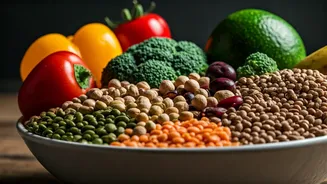
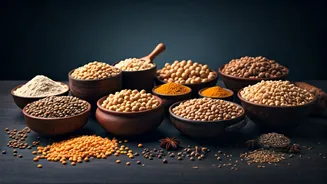
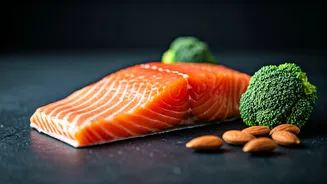
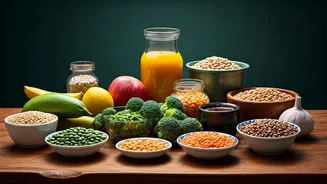
Closing the protein gap doesn't require a drastic diet overhaul. It's about making small, consistent additions. For vegetarians, focus on incorporating paneer (approx. 18g per 100g), chickpeas (approx. 15g per cup), Greek yoghurt (approx. 10g per 100g), lentils (approx. 18g per cooked cup), and soya chunks (a powerhouse at over 50g per 100g). For non-vegetarians, adding eggs (6g each), chicken breast (approx. 31g per 100g), or fish can easily boost your daily total. The key is to ensure a quality protein source is a main feature of every meal, not just an afterthought. For example, add a handful of roasted chana as a snack, or ensure your breakfast includes an egg or a bowl of sprouts.