






A Tale of Two Tickets
Booking a train ticket online in India has become a seamless process for many. With just a few clicks on the IRCTC website or app, passengers can reserve their seats and, for a nominal fee of just 45 paise, opt for travel insurance. This tiny sum provides
a significant financial safety net, with coverage of up to ₹10 lakh for death or permanent disability arising from a train accident or other untoward incidents. However, a starkly different reality exists for the millions of travellers who rely on physical station counters for their tickets. For them, this insurance option has been entirely unavailable, creating a significant gap in passenger protection based purely on the mode of booking. This disparity often affects those with limited digital access, including rural passengers and senior citizens, who have been left without this affordable safeguard.
The Supreme Court Steps In
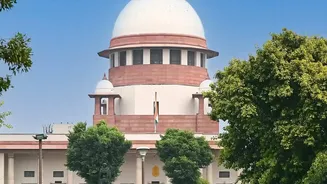
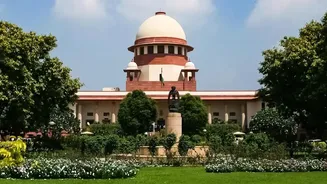
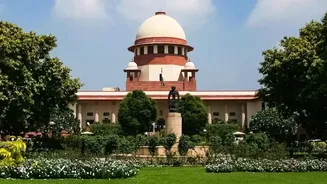
This long-standing inequality has been decisively addressed by the Supreme Court of India. In an order pronounced on October 6, 2026, a bench of Justices Ahsanuddin Amanullah and R Mahadevan mandated that Indian Railways must provide insurance coverage for all tickets sold over the counter at every railway station. The directive, which is set to take effect from October 27, 2026, aims to put offline tickets on par with their online counterparts. The court's intervention came during proceedings related to the tragic Odisha train accident in June 2023. While initially focused on safety systems like Kavach, the court expanded the case's scope to address broader passenger welfare issues, including the insurance gap. The judges noted that despite giving authorities ample time to create a mechanism for offline insurance, no progress had been made, prompting them to issue a mandatory directive.
What the Order Means for You
Starting October 27, 2026, if you buy a ticket at a railway counter, it must include travel insurance. The court was firm in its order, stating the Railway Board would be held directly responsible for any failure to implement this. For passengers, this is a landmark move toward equitable access to financial protection. The existing insurance scheme for online tickets covers death, permanent total disability, permanent partial disability, and hospitalisation expenses for injuries. The new mandate ensures that all passengers, regardless of how they book, will have access to this crucial protection. It transforms travel insurance from an optional add-on for the digitally savvy into an essential safeguard for everyone.
Questions That Remain
While the court's directive is clear, the exact mechanism for its implementation is yet to be detailed by Indian Railways. Several questions remain, such as how the nominal premium will be collected at crowded ticket counters and whether it will remain at the current 45 paise rate for online tickets. The process for issuing policy documents and, crucially, for filling out nomination details, will also need to be clarified. Currently, online users receive an email with a link to nominate their beneficiaries, a process that will require a new, offline-friendly solution. Passengers should keep an eye on official announcements from Indian Railways for these final details as the implementation date approaches.