






A Series to Forget
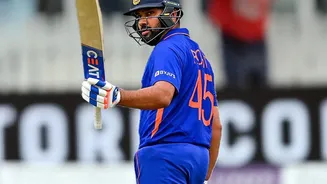
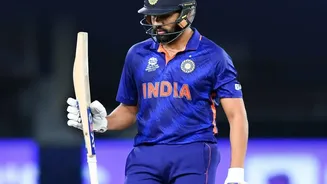
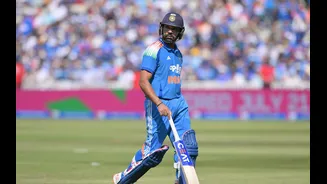
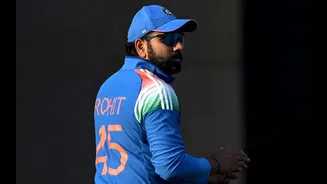
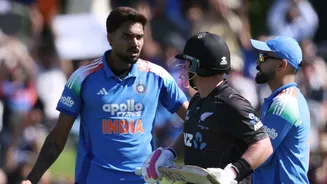
The tour of New Zealand in November 2026 has been nothing short of a nightmare for Rohit Sharma. A final tally of 30 runs across four One Day Internationals at a shocking average of 7.5 is the stuff of bad dreams for any top-order batsman, let alone one of Rohit's
stature. The string of low scores, which included two ducks, marks his lowest average in any ODI series where he has played at least four innings as an opener. He was dismissed for a six-ball duck by Kyle Jamieson at Eden Park and fell for a first-baller to Matt Henry at Mount Maunganui. A high score of just 23 in Wellington was the only time he reached double figures, a contribution too small to silence the growing chorus of concern. The final innings of the tour saw him depart for seven, ending a tour that has amplified questions about his form.
Remembering the 'Hitman'
Before this slump, however, it is crucial to remember the player who earned the nickname 'Hitman'. This is the man who holds the world record for the most double centuries in ODIs, including a monumental 264. This is the batsman who lit up the 2019 World Cup with a record-breaking five centuries in a single tournament. Even earlier in 2026, before this New Zealand tour, he showed flashes of his old self, scoring a century against England and two nineties against the West Indies. He remains one of India's highest run-scorers since the 2023 World Cup. This context is vital because it frames the current situation: are we witnessing a permanent decline or a temporary loss of form for a champion player who has earned a measure of faith?
The Uncomfortable Questions
At 39 years old, questions about age and reflexes are inevitable. In the challenging, seaming conditions of New Zealand, Rohit looked uncomfortable, a stark contrast to the dominant batsman who has dismantled attacks worldwide. His struggles are not a new phenomenon in 2026; reports from earlier in the year noted a trend of getting starts but failing to convert them into the big scores he is known for. Pundits have pointed to a visible dip in confidence and a laboured approach at the crease, with an increasing percentage of dot balls early in his innings putting him under pressure. The dismissals in New Zealand, often early in the innings, suggest that bowlers may be exploiting a technical or mental vulnerability that needs urgent attention as the 2027 World Cup approaches.
A Crowded Dressing Room
The pressure on Rohit isn't just internal; it's being applied externally by a queue of ambitious young openers. The conversation around India's opening slot has intensified, with players like Yashasvi Jaiswal, Abhishek Sharma, and the precociously young Vaibhav Suryavanshi making their cases in various formats. Shubman Gill is already being groomed for leadership, while Ishan Kishan provides an explosive left-handed option. These players bring fearless, modern approaches suited to the high-tempo demands of white-ball cricket. Selectors are facing a classic dilemma: stick with a proven, experienced champion in hopes he rediscovers his touch, or invest in the future by giving a consistent run to the next generation? The team's needs ahead of a World Cup in South Africa, where conditions could be similar to New Zealand, make this decision even more critical.