






Why the Focus on Packaging?
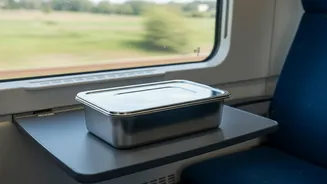
The push for standardized packaging by Indian Railways and the Indian Railway Catering and Tourism Corporation (IRCTC) stems from two primary concerns: passenger health and environmental responsibility. Firstly, ensuring food is served in hygienic, sealed
containers minimizes the risk of contamination, a critical factor on long journeys. This move is part of a broader effort to comply with Food Safety and Standards Authority of India (FSSAI) norms. Secondly, there's a significant environmental motivation. Indian Railways is actively working to reduce its massive plastic waste footprint. By replacing traditional plastic and Styrofoam with biodegradable and compostable alternatives, the railways aim to create a greener, more sustainable travel experience.
The Rise of Eco-Friendly Materials
The most visible change for passengers has been the introduction of new packaging materials. Since trials began around 2018, IRCTC has been rolling out containers made from bagasse, the fibrous residue left after sugarcane juice extraction. This material is an ideal alternative because it is biodegradable, compostable, lightweight, and leak-proof. These eco-friendly boxes and cutlery are now a common sight on premium trains like the Rajdhani, Shatabdi, and Duronto, with plans to expand their use across the network. This initiative not only tackles plastic pollution but also supports the nation's sugarcane industry. According to the 2026 IRCTC Catering Policy, single-use plastic is banned, with only biodegradable packaging permitted for licensees.
Decoding the QR Code
A key feature on these new meal packets is the QR code. This small square is a powerful tool for transparency and passenger empowerment. By scanning the code with a smartphone, passengers can instantly access crucial information about their meal. This includes the name of the catering licensee, their FSSAI license number, and, most importantly, the date and time of packing. This system is designed to hold vendors accountable for freshness and prevent the sale of old food. It is a direct response to the need for better food safety and gives passengers the ability to verify the details of what they are consuming on the spot.
Enforcement and Accountability
Indian Railways has established a multi-layered system to enforce these standards. Base kitchens, where most meals are prepared, are increasingly being modernized and equipped with CCTV cameras for real-time monitoring. Food Safety Supervisors are deployed in these kitchens, and on-board IRCTC supervisors monitor service on trains. Regular and surprise inspections are conducted to check for compliance. When violations are found, the penalties are significant. In the last three years, IRCTC has imposed fines amounting to ₹5.13 crore, issued dozens of show-cause notices, terminated multiple contracts, and debarred defaulting licensees from future business. The names of debarred companies are even published on the IRCTC website to ensure transparency.
Your Role as an Aware Passenger
While the railways have put these systems in place, an alert passenger is the most effective line of defense against poor service. Always check the packaging for damage and scan the QR code if available. If a vendor cannot provide a printed bill with the IRCTC logo, you have the right to question the charge. For any complaints regarding food quality, hygiene, or overcharging, several channels are available. You can use the Rail Madad app, call the helpline number 139, or use the toll-free number 1800-111-321 for catering-specific issues. Providing details like your PNR number and, if possible, a photo of the meal can help ensure swift action.