
From Sightseeing to 'Being There'
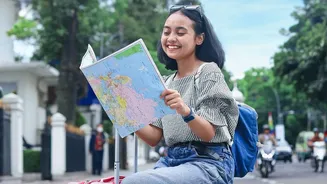
For decades, travel in India was often about acquisition—collecting photos at famous landmarks and ticking destinations off a list. But a significant change is underway. A growing number of travellers are now prioritising experiences over mere sightseeing.
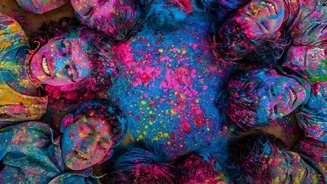
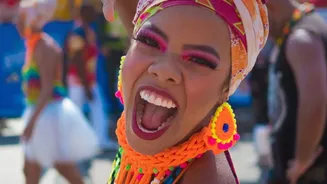
Recent travel data underscores this trend, with a 2026 Skyscanner report revealing that 67% of Indians now plan holidays around cultural events like festivals and heritage trails. This isn't just about attending a big event; it's about structuring entire journeys around moments of cultural immersion. According to a June 2026 report from Allianz Partners, a staggering 75% of Indian travellers are likely to attend concerts or festivals during their vacations, indicating a clear preference for activity-based holidays. This new travel philosophy is about participation, not just observation. It’s the difference between seeing a photo of Nagaland and actually feeling the drumbeats at the Hornbill Festival, or reading about Holi versus being joyfully covered in colour in Mathura.
The Rise of the Destination Festival
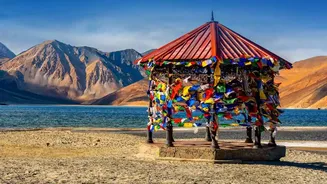
This shift is powered by an increasingly diverse and accessible festival calendar. Beyond the globally recognised celebrations like Diwali and Holi, a new wave of contemporary music and arts festivals in breathtaking locations has captured the imagination of experience-seekers. Events like the Ziro Festival of Music in Arunachal Pradesh, set against a backdrop of rice fields and pine-clad hills, are seeing huge growth in interest. Similarly, festivals like Magnetic Fields in a Rajasthani palace and Sunburn in Goa blend world-class artist lineups with an undeniable sense of place. These aren't just concerts; they are curated cultural gatherings that turn the location itself into a headline act. The Indian music tourism market, valued at over USD 2.46 billion in 2024, is projected to grow significantly, driven by this demand for live events in unique settings. This trend extends to niche celebrations, with one in four travellers now heading to Tier 2 and Tier 3 towns for authentic cultural encounters beyond the usual metro circuit.
Connecting with Ancient Roots
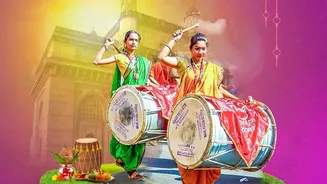
While modern music festivals are a major draw, the appeal of traditional and regional celebrations is also surging. Travellers are increasingly planning trips to witness the raw energy of events that have been practised for centuries. The Hornbill Festival in Nagaland, for example, offers an unparalleled window into the traditions of the region's sixteen major tribes. In Kerala, the Onam festival becomes a statewide celebration of culture, complete with traditional feasts, Kathakali performances, and iconic snake boat races. In Chhattisgarh, the Madai festival sees Gond communities travel from village to village in a vibrant procession honouring local deities. Tour operators are responding to this interest by creating festival-aligned itineraries that handle the complex logistics, allowing travellers to focus on the experience. From the spiritual fervour of Durga Puja in Kolkata to the unique fire-walking Thimithi festival in Tamil Nadu, these events offer a powerful connection to India’s living heritage.
How to Plan Your Festival Journey
Jumping into festival-led travel requires a bit of strategic planning. The first rule is to book well in advance, as flights and accommodation for popular events like the Pushkar Camel Fair or Rann Utsav can sell out months ahead. For major festivals, consider exploring secondary hubs. Instead of the most crowded pandals in Kolkata during Durga Puja, smaller neighbourhood celebrations can offer a more intimate experience. Flexibility is also key. Festival dates in India are often tied to lunar calendars, so they shift each year; always verify the exact dates before making plans. Finally, while the chaos is part of the charm, don't underestimate the crowds. Using local guides or specialized tour companies can help you navigate the busiest areas and find the best spots, ensuring you get the magic without the madness.