



A Message From Halley's Comet
The Orionid meteor shower is the legacy of Comet 1P/Halley, more famously known as Halley's Comet. This celebrated comet takes approximately 76 years to complete one orbit around the sun. The last time it graced our inner solar system and was visible
to the naked eye was in 1986, with its next appearance not due until 2061. But we don't have to wait that long to experience its magic. Every time Halley's Comet swings past the sun, it sheds a trail of ice and rocky dust. When Earth passes through this stream of ancient debris each October, these tiny particles enter our atmosphere and create the spectacular streaks of light we call the Orionids. Halley's Comet is unique in that it is the parent body for two separate meteor showers; it also produces the Eta Aquariids in May.
From Dust Trail to Shooting Star
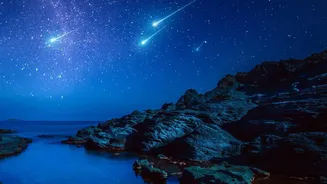
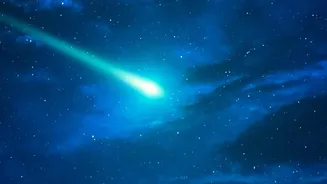
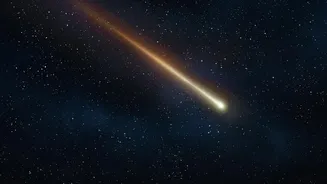
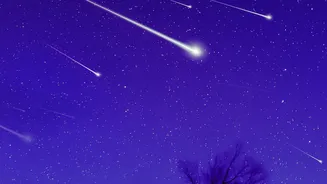
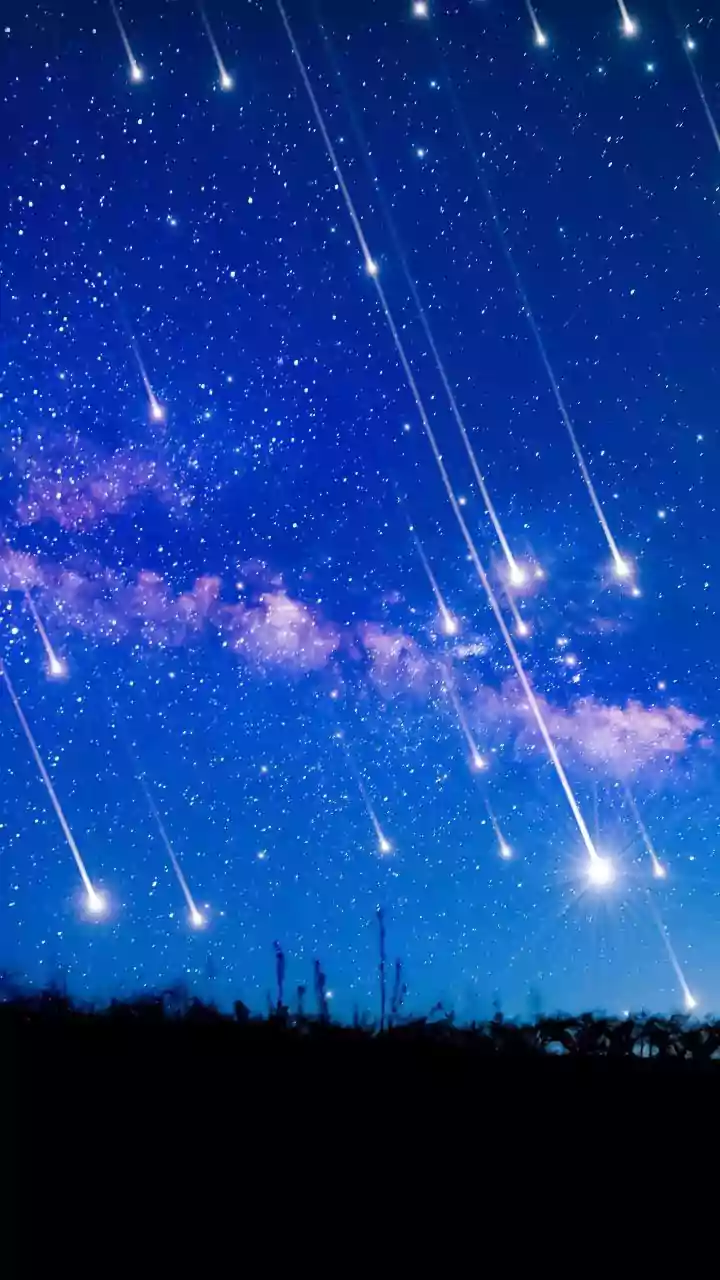
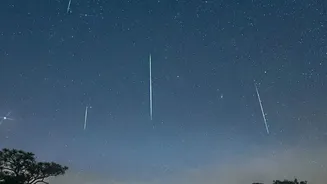
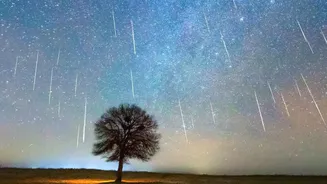
The 'shooting stars' you see are not actually stars at all. They are tiny pieces of cometary debris, many no larger than a grain of sand, hitting Earth's atmosphere at incredible speeds. The Orionids are known for their quickness, entering the atmosphere at about 66 kilometres per second. This tremendous velocity causes them to heat up and vaporise, creating brilliant, incandescent streaks across the sky. Because they are so fast, Orionid meteors are famous for leaving behind glowing 'trains' — persistent trails of ionised gas that can linger for several seconds or even minutes after the meteor itself has vanished. Occasionally, a slightly larger piece of debris can produce a 'fireball', an exceptionally bright and long-lasting meteor that can light up the entire sky for a moment.
How to Watch the 2026 Shower in India
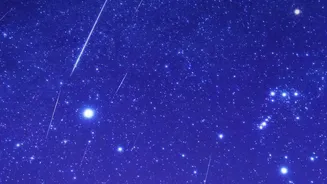
The Orionid meteor shower will be active from early October to early November, but the best time to watch will be during its peak on the night of October 21-22, 2026. Sky-watchers can expect to see around 15 to 20 meteors per hour under ideal conditions. The shower is named after the constellation Orion, as the meteors appear to radiate from a point near it. However, you don't need to look directly at Orion; the meteors will be visible across the entire night sky. In fact, looking about 45 degrees away from the radiant can often result in longer, more spectacular streaks. For viewers in India, the best time to watch is in the pre-dawn hours, after midnight, when the sky is at its darkest. This year, a bright waxing gibbous moon will interfere with viewing for part of the night. However, the moon sets around 3 a.m. local time, opening a window of dark skies until dawn begins to break around 5:30 a.m., making this the prime time to catch the show.
Tips for the Best Viewing Experience
You don't need any special equipment like a telescope or binoculars to watch a meteor shower; your eyes are the best tool. The most important factor is getting away from city lights. Find a dark location with a clear, unobstructed view of the sky. Give your eyes at least 20-30 minutes to fully adjust to the darkness. Dress warmly, lie back on a blanket or reclining chair, and be patient. The show is visible from both the Northern and Southern Hemispheres, so viewers across India will have a chance to see it, weather permitting. Watching the Orionids isn't just about seeing shooting stars; it's about witnessing a direct, tangible connection to the grand tour of a comet that has fascinated humanity for millennia, from its depiction on the Bayeux Tapestry in 1066 to its modern scientific study.