





Plan Before You Party
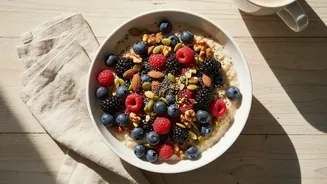
One of the most effective strategies is to avoid arriving at a gathering feeling famished. Skipping meals to 'save calories' for a big dinner often backfires, leading to overeating. Instead, have a small, healthy snack before you leave home. A piece of fruit,
a handful of nuts, or a bowl of yoghurt can curb intense hunger, allowing you to make more deliberate and mindful choices from the festive spread rather than grabbing the first thing you see. This simple step helps you stay in control and start the event on a balanced note.
Master Your Plate
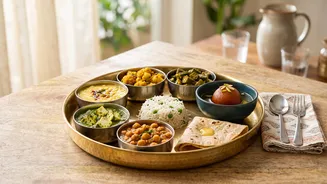
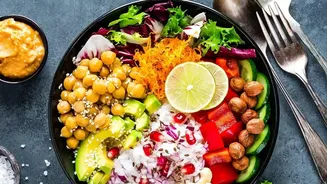
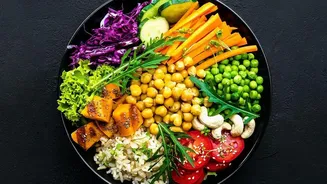
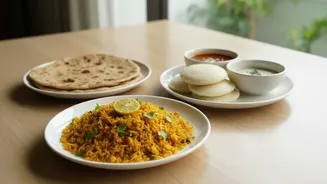
When faced with a buffet, your plate is your primary tool for portion control. Using a smaller plate can psychologically help you serve yourself less. A practical approach is the 'half, quarter, quarter' rule. Aim to fill half your plate with vegetables or salad, which are high in fibre and help you feel full. Dedicate one quarter to a lean protein source like dal, paneer, or grilled chicken, and the final quarter to carbohydrates such as rice or roti. This method ensures a balanced meal. Once you have filled your plate, step away from the food counter to avoid mindless nibbling while you chat.
Savour Every Mouthful
Mindful eating is about being present and fully enjoying your food. Instead of rushing through your meal, eat slowly and chew each bite thoroughly. It takes about 20 minutes for your brain to register that you are full, so slowing down gives your body time to send satiety signals. Pay attention to the flavours, textures, and aromas of the dishes. This not only enhances your enjoyment but also helps you recognise when you are comfortably satisfied rather than uncomfortably stuffed. Putting your fork down between bites can be a helpful technique to pace yourself.
Hydration is Your Ally
Thirst is often mistaken for hunger. Staying well-hydrated throughout the day can prevent overeating during festive meals. Drink a glass of water before you start eating to help you feel fuller. During the gathering, try to alternate between alcoholic or sugary beverages and a glass of water. This not only helps manage your calorie intake from drinks but also keeps you hydrated, which is crucial for digestion, especially when consuming rich and oily foods. Opting for lime water or herbal teas can also be a refreshing choice.
Navigate the Sweet Temptations
Festive seasons are synonymous with sweets, and you don't need to avoid them entirely. The goal is moderation. Instead of trying every dessert on offer, pick one or two that you truly love. Consider sharing a portion with a friend or family member. This allows you to satisfy your craving without consuming a large quantity. If you are preparing sweets at home, you can make healthier swaps, such as using natural sweeteners like jaggery or dates, or baking instead of frying. Enjoying a small, intentional treat is far more satisfying than mindless indulgence.
Politely Decline Extra Helpings
Social pressure from well-meaning hosts and relatives is a common challenge during festive gatherings in India. Learning to politely say 'no, thank you' is a valuable skill. If a host insists, you can say something like, "It looks delicious, but I'm truly full right now. Perhaps I can try it a little later?" Most hosts simply want to ensure their guests are happy and will respect your decision. Listening to your body's fullness cues is more important than cleaning your plate to please others.
Shift Focus from Food to Fellowship
Remember that the primary purpose of these gatherings is to connect with loved ones. While food is a central part of the celebration, it doesn't have to be the sole focus. Engage in conversations, participate in games, or help with hosting duties. By shifting your attention to the people and the atmosphere, you'll find that you are less likely to eat out of boredom or habit. Cherishing the moments of connection can make the celebration just as fulfilling, if not more so, than the feast itself.