
The Green Solution for Small Spaces
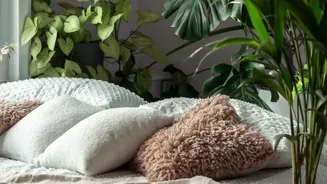
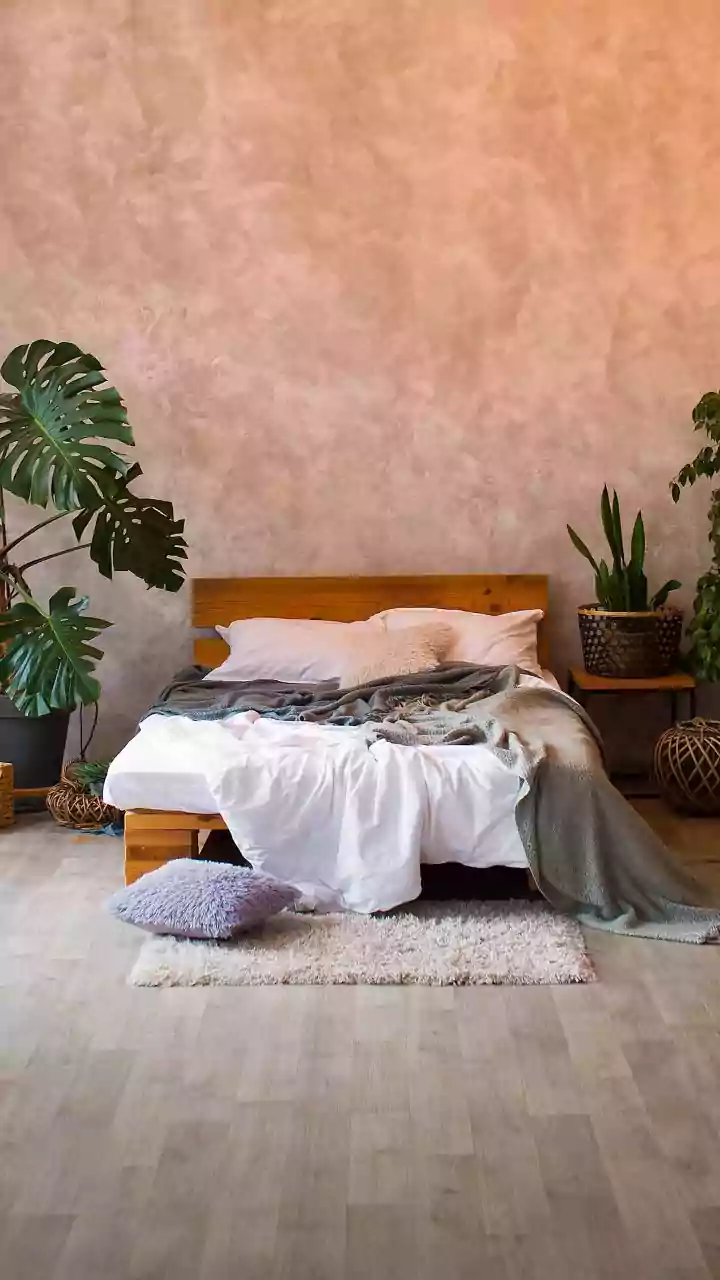
A small bedroom with limited natural light can often feel more like a cave than a cosy retreat. But the solution isn't necessarily a major renovation; it might just be a simple potted plant. Adding greenery to a compact space does more than just fill
a corner. It introduces an element of nature that can soften hard lines, add a pop of living colour, and create a sense of calm and well-being. Psychologically, the presence of plants is linked to reduced stress and an improved mood. In a room where you start and end your day, this connection to nature can have a profound impact. A strategically placed plant can draw the eye, create a focal point, and add a layer of texture and depth that makes the room feel more thoughtfully designed and less constrained.
The Truth About 'Air-Purifying' Plants
The term 'air-purifying' is often linked with houseplants, a claim that originates from a 1989 NASA study. This study found that certain plants could remove volatile organic compounds (VOCs) like benzene and formaldehyde from the air within a sealed chamber. While scientifically sound, these lab conditions don't mirror a typical home environment with natural air circulation. More recent analysis has shown that you would need an enormous number of plants to significantly clean the air in an average room. However, this doesn't diminish their value. While they may not be a substitute for good ventilation, the primary benefits are more closely tied to aesthetics and mental wellness. Think of any air-cleansing properties as a minor bonus to the main benefit of having a living, breathing piece of decor.
Star Player: The Peace Lily
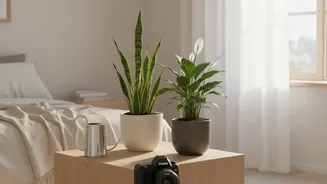
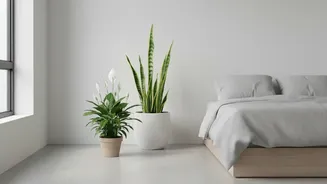
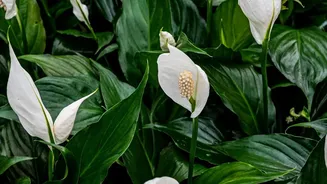
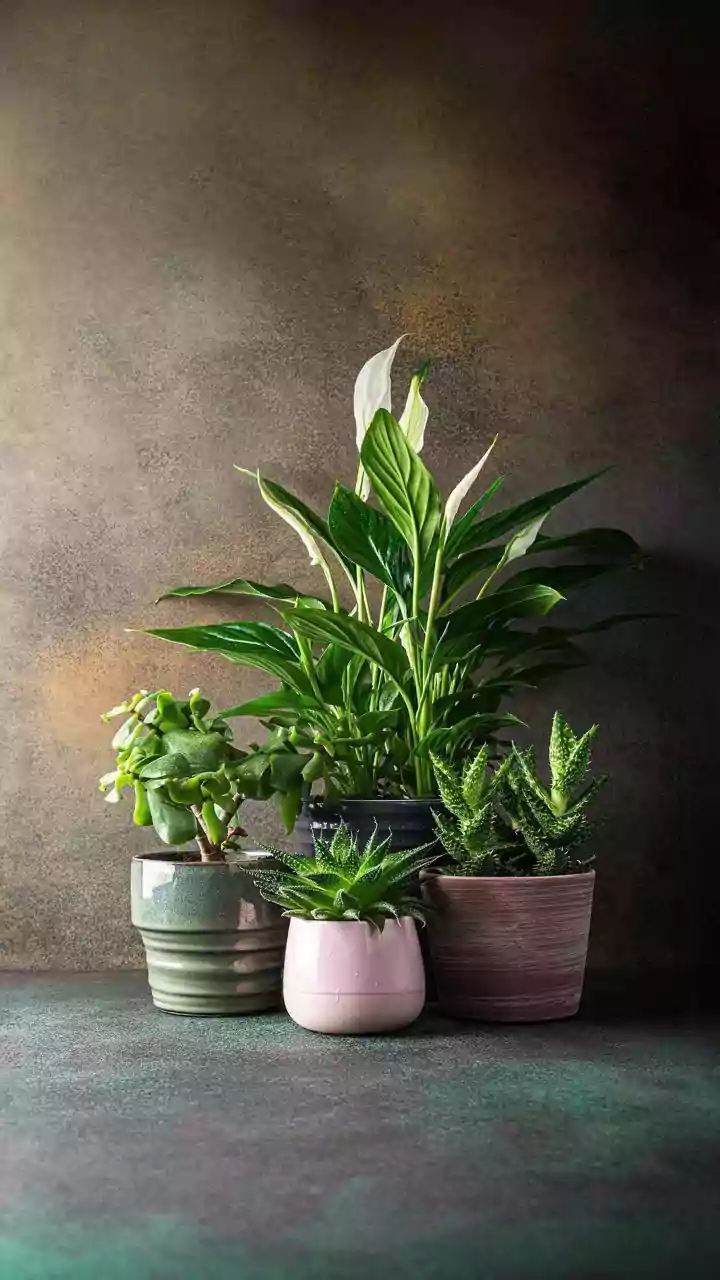
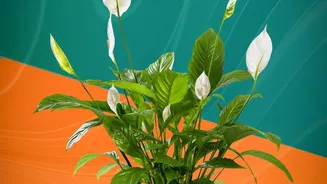
The Peace Lily (Spathiphyllum) is deservedly the poster child for low-light living. Native to tropical rainforest floors where it grows under a dense canopy, it is perfectly adapted to the filtered light conditions of an indoor space. Its glossy, dark green leaves provide a lush, tropical feel year-round, and it is known for being relatively easy to care for. The plant's most famous feature is its elegant white 'flower,' which is actually a modified leaf called a spathe. While it needs bright, indirect light to produce these blooms consistently, it will maintain its beautiful foliage even in lower light conditions. The Peace Lily is also an excellent communicator; its leaves will noticeably droop when it needs water, taking the guesswork out of your watering schedule.
More Low-Light Champions for Your Bedroom
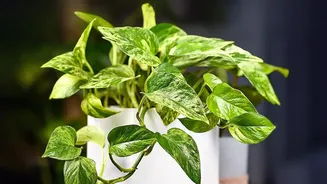
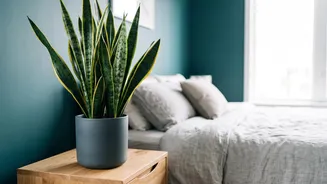
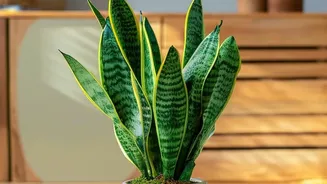
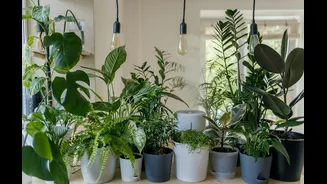
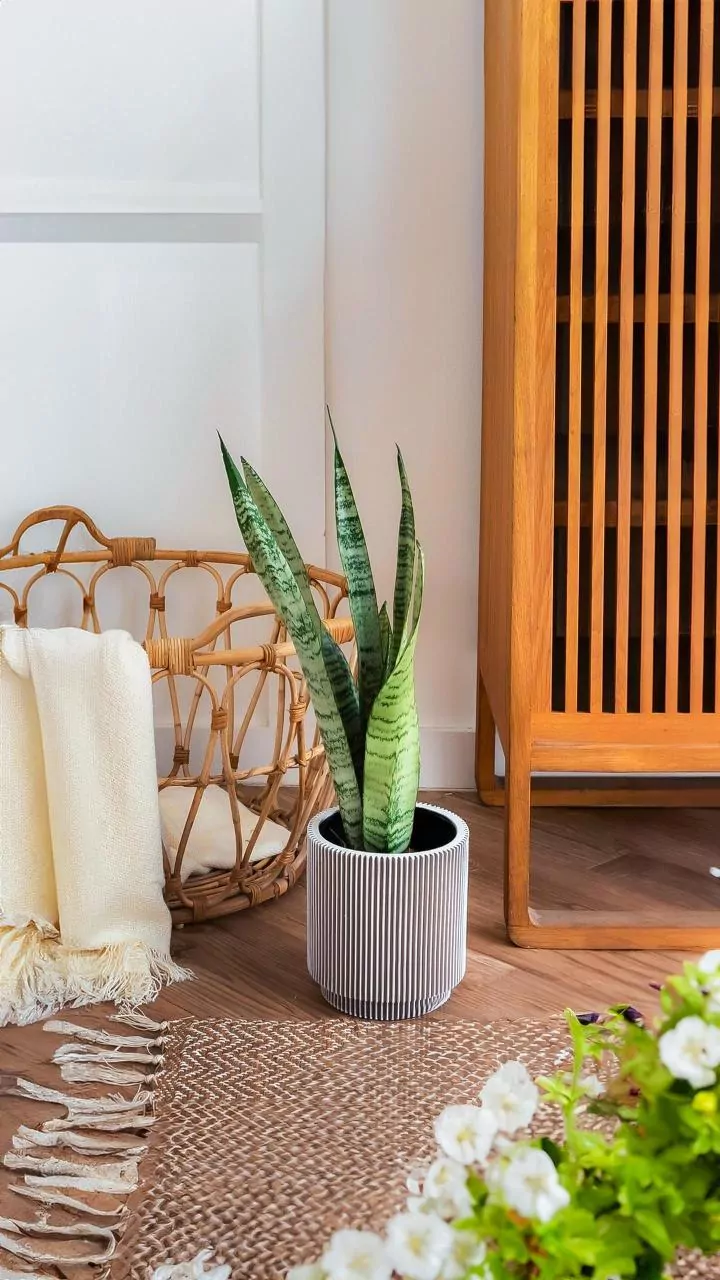
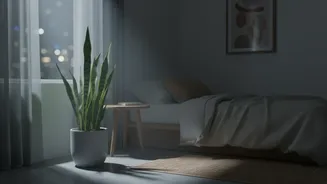
Beyond the Peace Lily, several other hardy plants are perfect for rooms that don't get a lot of sun. The Snake Plant (Sansevieria trifasciata) is nearly indestructible, tolerating neglect and very low light while providing a strong, vertical accent. The ZZ Plant (Zamioculcas zamiifolia) is another top contender, with waxy, dark green leaves and a remarkable ability to survive with minimal watering and light. For those who love a trailing effect, Pothos (Epipremnum aureum), often called Money Plant in India, is incredibly versatile and can thrive in a range of light conditions, happily cascading from a shelf or hanging basket. Finally, the Chinese Evergreen (Aglaonema) offers beautiful variegated leaves and is very forgiving in shaded spots.
Simple Care for a Thriving Room
Caring for low-light plants is often easier than caring for their sun-loving counterparts, but a few key principles apply. The most common mistake is overwatering. Since these plants photosynthesize more slowly, they use less water. Always check if the top inch or two of soil is dry before watering again. For a Peace Lily, you can often wait until you see a slight droop. Because their growth is slower in low light, they also require less fertiliser; feeding them once or twice during the spring and summer is usually sufficient. Finally, keep the leaves clean. Dust can block the limited light available, so gently wipe them with a damp cloth every few weeks to help them absorb as much light as possible.