



What Is Slow Travel, Really?
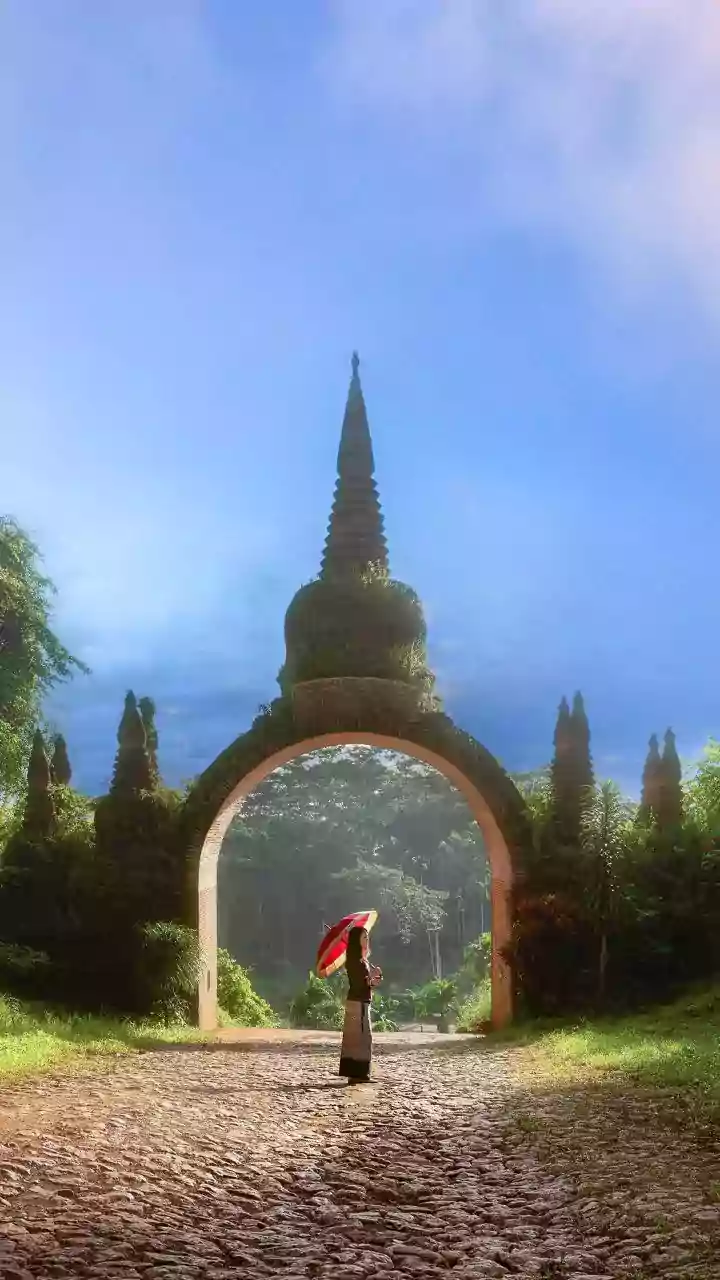
Slow travel is less a type of tourism and more a mindset. [4] It’s about consciously choosing depth over distance and connection over checklists. Instead of a whirlwind tour of multiple cities in a week, a slow traveller might spend that entire time in one
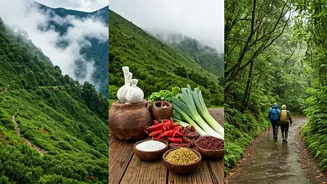
village or region. [2] The goal is to move beyond being a mere spectator and to immerse oneself in the local rhythm of life. [12] This could mean staying in a family-run homestay instead of a large hotel, learning a local craft like block-printing in Rajasthan, taking a cooking class in Kerala, or simply spending afternoons exploring a neighbourhood market. [4, 12, 18] It prioritises authentic experiences, meaningful engagement with local communities, and sustainable practices that benefit the destination. [2, 12]
The Search for a Slower Pace
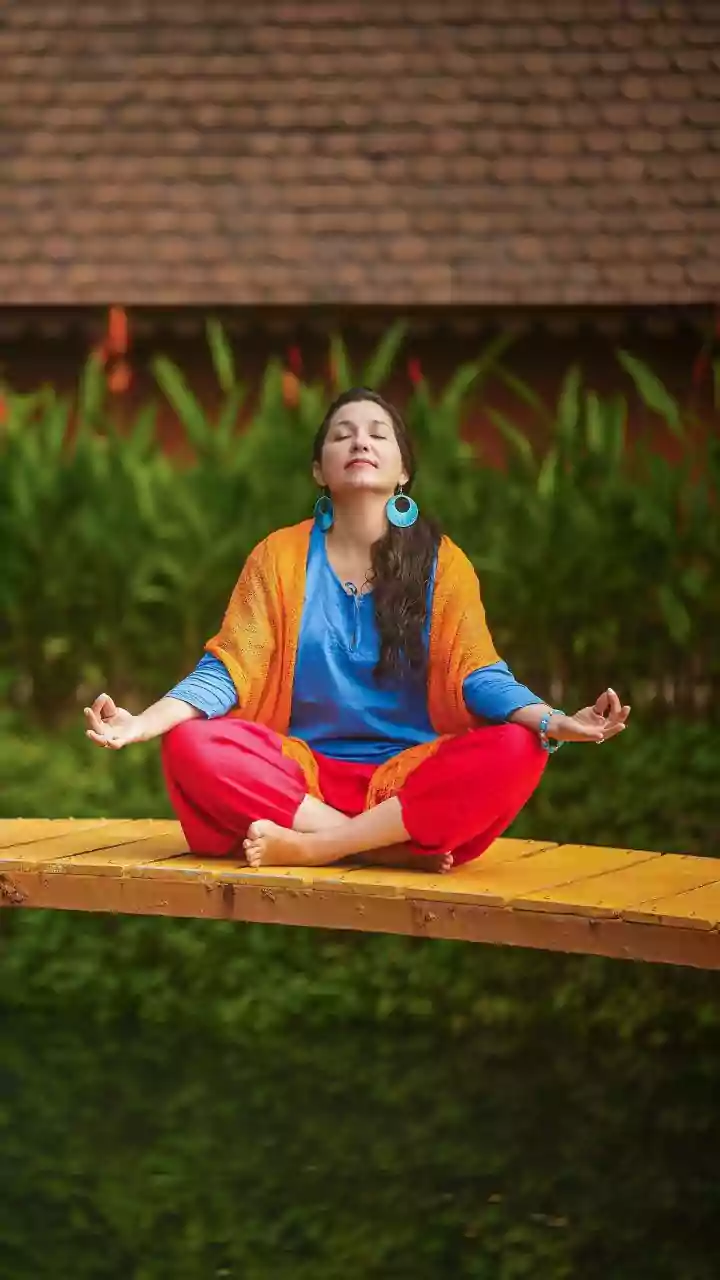
So why is this philosophy gaining so much traction now? The reasons are a mix of cultural and social shifts. A major driver is the reaction to modern urban life and workplace burnout. [2, 5] According to a 2026 travel report by Agoda, relaxation is the main reason for travel for 67% of Indian travellers, suggesting a collective desire to disconnect from daily chaos. [7, 8, 11] The post-pandemic world has also accelerated a desire for more meaningful and less crowded experiences. [20, 3] Many are now actively avoiding over-commercialised tourist hotspots in favour of tranquillity and nature. [3, 11] This has led to a boom in interest for quieter destinations. For instance, Agoda noted a 154% year-on-year increase in accommodation searches for Dharamshala and a 65% rise for Rishikesh, both places known for wellness and a relaxed pace. [7, 8, 10]
What Slow Travel Looks Like in India
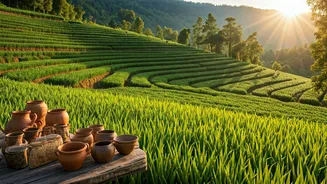
India, with its immense diversity, is an ideal landscape for the slow traveller. [2, 15] The experiences are as varied as the country itself. It could be a long stay at a tea estate in Munnar or a farm stay in the Western Ghats. [5, 21] It might involve exploring the serene backwaters of Kerala on a houseboat, discovering the unique village life of Majuli in Assam, or immersing oneself in the ancient monasteries of Spiti Valley in Himachal Pradesh. [15, 16, 13] Even popular destinations like Goa are being seen through a new lens, with travellers opting for long-term stays in quiet villages like Aldona, focusing on soulful gatherings over crowded beaches. [9, 16] This approach isn't just for backpackers; families and luxury travellers are also embracing the trend, seeking private villas and curated experiences that allow them to move at their own pace. [9]
A More Sustainable and Conscious Choice
Beyond personal well-being, slow travel carries significant benefits for local communities and the environment. By staying longer in one place and opting for local services, more money flows directly into the community. [12] Choosing homestays, dining at family-run eateries, and buying from local artisans helps preserve cultural heritage and provides a more equitable distribution of tourism revenue. [12, 17] This model also helps reduce the strain of over-tourism on popular destinations, diverting travellers to offbeat locations. [21] Environmentally, slow travel inherently has a lower carbon footprint due to reduced mobility and a focus on local transport like scenic train journeys. [2, 16] It represents a more responsible way to explore, ensuring that a visit has a positive and lasting impact on the place and its people. [12, 17]