







Why Your Grocery Bill is Climbing
Heading into the festive period, you've likely noticed your grocery bills are higher than usual. This isn't just your imagination. India's food inflation rate surged to 7.74% in September, a significant jump from 5.97% in August. This increase is primarily
driven by a combination of factors. A weak southwest monsoon, described as the weakest since 2015, has impacted agricultural production across the country. This rainfall deficit raises concerns over crop output, especially for rain-fed crops like pulses and oilseeds. Adding to this are higher transportation costs and disruptions in supply chains, which ultimately push up the prices you see on the shelf.
The Most-Affected Festive Staples
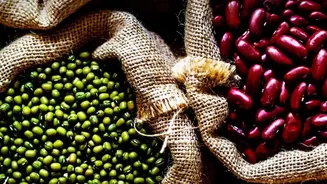
Certain festive essentials are seeing the steepest price hikes. Onions have become particularly expensive, with prices more than doubling over the past year. According to government data, the average retail price of onions was around ₹53 per kilogram on October 14, a sharp increase that directly impacts the base of most Indian festive dishes. Pulses, another cornerstone of festive meals, have also become costlier. Tur dal, for instance, saw its average retail price rise to approximately ₹129 per kg. Edible oils are another area of concern. Despite a recent government cut in import duties to ease costs, prices for sunflower, palm, and soya oil remain elevated compared to last year. Sunflower oil has seen one of the sharpest increases, with prices up by around 18%. Even sugar is nearly 22% more expensive than it was a year ago.
Potatoes Offer Some Relief
Amidst the rising costs, there is one humble hero in the vegetable basket: the potato. It is reportedly the only one of 42 essential commodities monitored by the government to have seen a price drop over the past year. With an average retail price of about ₹22-23 per kg, potatoes remain a budget-friendly and versatile ingredient for your festive menu. Planning meals around more affordable and seasonal vegetables like potatoes, bottle gourd, and guar beans can help balance the budget while keeping the festive spirit alive.
Smart Shopping Strategies for the Season
A higher bill doesn’t mean you have to cut back on celebrating. With a little planning, you can navigate the price rise effectively. Start by creating a detailed meal plan and a corresponding shopping list. This simple step helps prevent impulse buys, which can quickly inflate your budget. Before you shop, compare prices online and at your local stores. Sometimes, your neighbourhood 'kirana' store might offer better prices on loose items than a supermarket. Opting for seasonal produce is another proven strategy, as these items are generally fresher and cheaper. Finally, consider cooking in bulk. Preparing base gravies or snacks in larger batches not only saves money but also precious time during the busy festive period.
Don't Overlook Store Brands and Offers
This is the perfect time to give store brands a try. Often, they offer similar quality to well-known brands but at a lower price point. Also, keep an eye out for festive sales, loyalty programs, and bank offers that provide cashback or discounts on grocery purchases. Many credit and debit cards have special tie-ups with retailers during this season. Using these offers wisely can lead to significant savings. While bulk buying can be economical for staples like rice and flour, be cautious with perishable goods to avoid food waste, which is another form of financial loss.