




Recognising a Restless Pet
Before you can solve the problem, you need to spot it. Boredom in pets often manifests as destructive behaviour, like chewing furniture or scratching walls. It can also appear as excessive vocalisation—think constant barking or whining—or attention-seeking
actions like pawing at you or stealing objects. Some pets may become restless and pace, while others might do the opposite and sleep more than usual, seeming lethargic. These behaviours are your pet's way of communicating an unmet need for mental and physical stimulation. Recognising these signs early is the first step toward creating a more engaging and fulfilling indoor environment for them. It's important to rule out any underlying medical issues with a vet if these behaviours are new or concerning.
More Than a Squeak: Upgrading the Toy Box
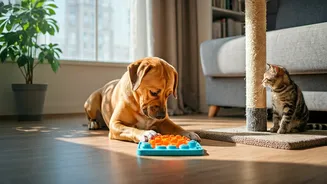
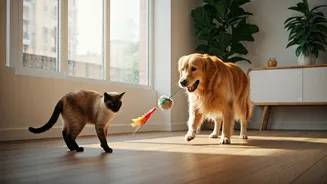
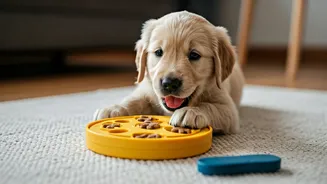
A pile of silent, static toys won't cut it for a clever pet. The key to beating boredom is interaction and variety. Enrichment toys are designed to make your pet think, problem-solve, and work for a reward. For dogs, puzzle toys like the KONG Classic, which can be stuffed with treats, or intricate puzzles from brands like Nina Ottosson challenge their minds. Snuffle mats, which encourage dogs to sniff out hidden kibble, tap into their natural foraging instincts and are incredibly satisfying for them. For cats, puzzle feeders that make them work for their meals can reduce anxiety and keep them sharp. Other great options for felines include crinkle tunnels that mimic the sound of prey, feather wands that you control to simulate a hunt, and even simple cardboard boxes to explore. Rotating toys regularly helps keep them novel and exciting.
Smarter Snacking: Treats as Engagement Tools
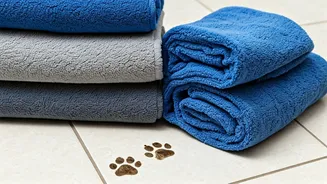
Treats don't have to be just a reward for a trick; they can be the activity itself. Using food to engage your pet's brain is a powerful form of enrichment. Instead of just handing over a biscuit, make them work for it. Treat-dispensing toys, like the Starmark Bob-a-Lot or KONG Wobbler, require your dog to nudge and paw at them to release food, turning snack time into a stimulating game. This not only slows down fast eaters but also provides a crucial mental workout. You can also create DIY challenges, such as hiding treats in a rolled-up towel for your dog to unravel or placing kibble in a muffin tin with balls covering each cup. For both cats and dogs, a simple 'scavenger hunt' where you hide small, high-value treats around a room can provide minutes of engaging fun and satisfy their instinct to forage.
Train Their Brain: Fun and Focus
Training is one of the best ways to bust boredom, strengthen your bond, and improve your pet’s overall behaviour. It provides crucial mental exercise and helps your pet feel accomplished. You don't need to be a professional trainer to see benefits. Short, positive reinforcement sessions of 5-10 minutes can be incredibly effective. Focus on fun, simple cues like "touch" (teaching your pet to touch their nose to your hand) or fun tricks like "spin" or "find it." The "find it" game, where you hide a toy or treat and encourage them to search, is a fantastic way to engage their sense of smell. Using positive reinforcement, which rewards desired behaviours with praise, toys, or small treats, keeps the experience enjoyable and builds your pet's confidence. The goal isn't perfect obedience but collaborative, stimulating fun.