








The Humidity Deception
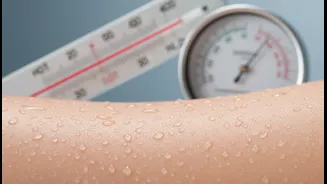
It’s a common paradox of the rainy season: you're surrounded by water but your body is quietly crying out for it. The primary culprit is high humidity. When the air is already saturated with moisture, your sweat doesn't evaporate efficiently. Your body's
natural cooling mechanism is hampered, causing you to sweat more to try and regulate your temperature. Because the sweat clings to your skin instead of vanishing, you might not realise how much fluid you're actually losing, leading to a sneaky form of dehydration.
Why You Don't Feel Thirsty
Another trick the monsoon plays is on your brain. The cooler, breezier weather often suppresses the body’s natural thirst signals. Unlike the scorching summer sun that constantly reminds you to drink up, the pleasant monsoon climate can make you forget. Your brain, influenced by the cool and damp external cues, mistakenly assumes your body is well-hydrated. However, thirst is often a delayed indicator; by the time you feel parched, you may already be on your way to becoming dehydrated.
The Hidden Risks of Contamination
The monsoon season brings a heightened risk of waterborne diseases like cholera, typhoid, and gastroenteritis due to contamination of water sources. This valid concern can make people wary of drinking water, especially from outside sources, leading to reduced intake. Furthermore, illnesses that cause diarrhoea and vomiting, which are more common this season, can rapidly deplete your body of fluids and essential electrolytes, making dehydration a serious secondary threat. Staying hydrated is a key defence, helping to flush toxins and support your immune system.
Your Monsoon Hydration Playbook
Being mindful is the key to staying hydrated. Don't wait for thirst to strike. Make it a habit to sip water throughout the day, aiming for at least 8-10 glasses. Consider switching to lukewarm or warm water, which can aid digestion—a system that often becomes sluggish during this season. You can also eat your water. Include hydrating fruits and vegetables like cucumber, watermelon, oranges, and lettuce in your diet. They not only provide fluids but also essential vitamins and minerals.
Beyond Plain Water
While water is essential, replenishing lost electrolytes is just as important, especially since you lose salts and minerals through sweat. Natural sources like coconut water are excellent for restoring potassium. Warm soups, herbal teas (like ginger or tulsi), and buttermilk (chaas) are also fantastic options that hydrate and offer additional health benefits. However, be mindful of caffeinated drinks and alcohol, as they can have a diuretic effect and contribute to fluid loss if consumed in excess.
Ensuring Your Water is Safe
Given the increased risk of contamination, ensuring your drinking water is safe is paramount. The most reliable method is to boil your water for at least a minute before cooling and storing it. If you use a water purifier, make sure it is serviced regularly and functions correctly. Investing in a good RO or UV filtration system can provide peace of mind. Avoid drinking water from street vendors or taps where the source is unknown, and be cautious with ice in your drinks when eating out.