





The Ground Rules: Paws and Protection
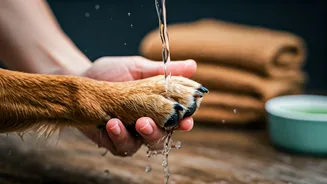
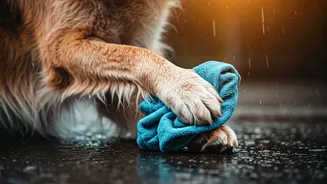
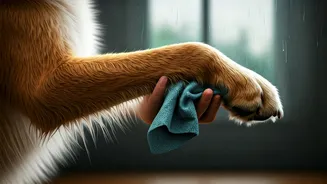
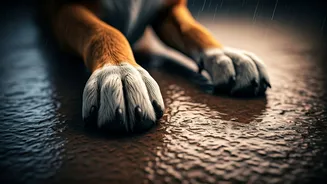
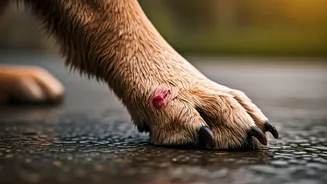
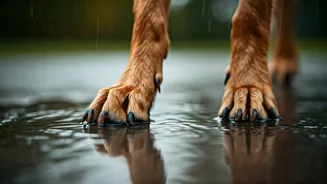
The first point of contact with the wet, grimy city streets is your pet's paws. During the monsoon, pavements and puddles can harbour bacteria and other germs. It is crucial to clean and dry your pet’s paws after every single walk. Use lukewarm water
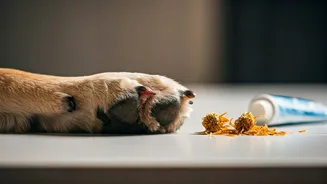
and a soft towel, paying special attention to the area between the toes where moisture can get trapped, potentially leading to fungal infections like pododermatitis. For added protection, especially in waterlogged areas, consider pet boots. Investing in a good quality, lightweight raincoat can also make a significant difference, keeping your dog's coat dry and reducing the post-walk cleanup effort. Keep a dedicated, highly absorbent microfibre towel near the door for immediate wipe-downs.
Battling a Bug's Life
The high humidity of the monsoon season creates a perfect breeding ground for parasites. Ticks and fleas become much more prevalent, posing a serious threat to your pet's health. These parasites can cause everything from severe itching and skin rashes to dangerous tick fever. Adhering to a vet-recommended tick and flea prevention program is non-negotiable during this season. This can include oral medications, spot-on treatments, or medicated collars. Daily grooming and brushing not only help keep the coat clean but also allow you to inspect for any ticks that may have latched on during a walk. Regularly vacuuming your home, especially carpets and pet bedding, helps eliminate any parasites brought indoors.
Skin and Coat Care
Constant dampness is the number one enemy of your pet’s skin during the monsoon. A wet coat can lead to bacterial and fungal infections, often identified by a musty smell, excessive scratching, or red, inflamed patches known as hot spots. The key is to ensure your pet is thoroughly dry after any exposure to rain. While it may seem counterintuitive, it's best to bathe your pet less frequently, as over-bathing can strip their skin of natural oils that provide protection. When you do give a bath, perhaps every two to three weeks, consider using a vet-recommended antifungal shampoo and make sure to dry them completely, using a low-heat hairdryer for long-haired breeds if they are comfortable with it.
Diet, Hydration and Tummy Troubles
Your pet can be susceptible to water-borne diseases from drinking contaminated water, a common hazard during the monsoon. Always provide fresh, clean drinking water, and consider boiling it first to be safe. Ensure their food and water bowls are cleaned daily, as humidity can cause food to spoil faster and bacteria to grow in stagnant water. Digestive issues like vomiting and diarrhoea are common, often from pets licking dirty paws or drinking from puddles. If your pet is less active due to fewer walks, you might need to adjust their food portions slightly to prevent weight gain.
Beating the Indoor Blues
Cancelled walks can lead to a bored and restless pet with pent-up energy. It's important to keep them mentally and physically stimulated indoors. Engage them in games like hide-and-seek, indoor fetch with a soft ball, or a game of tug-of-war. Puzzle toys and snuffle mats are excellent for mental enrichment, as they encourage your pet to use their problem-solving skills to get treats. Short, fun training sessions to teach them a new trick can also be a great way to bond and burn mental energy. Setting up a simple indoor obstacle course using cushions and chairs can be a fun activity for more energetic dogs.