



The Allure of Natural Texture
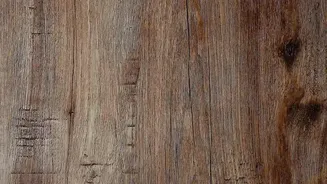
In a world of sleek, mass-produced decor, rustic wooden frames offer a welcome dose of character. The natural grain, knots, and imperfections of wood bring an organic, tactile element to a room that materials like metal or plastic simply can't replicate.
This warmth is more than just visual; it connects a space to the natural world, making it feel more grounded and inviting. Whether it's the distinctive look of reclaimed barn wood or the soft, knotted appearance of pine, a wooden frame adds a layer of history and texture that instantly elevates a simple mirror into a statement piece.
Placement Is Key to Maximising Light
A mirror's ability to brighten a room is all about strategic placement. The most effective trick is to hang a mirror directly opposite or adjacent to a window. This allows the mirror to capture the maximum amount of sunlight and bounce it back into the room, illuminating dark corners and making the entire space feel larger and more open. Even in rooms with limited natural light, placing a mirror near a lamp or sconce can amplify its glow, creating a soft, layered ambiance that overhead lighting often misses. For narrow entryways or hallways, a well-placed mirror can create a surprising illusion of depth and space.
Choosing Your Wood and Style
The type of wood you choose dramatically impacts the mirror's personality. Pine is a popular choice for its light color, visible knots, and affordability, lending a classic farmhouse feel. Oak offers a sturdier, more traditional look with a rich golden hue that deepens over time. For a more dramatic and varied appearance, hickory features striking color variations from pale blond to deep brown. Reclaimed wood, salvaged from old structures, offers unparalleled character with nail holes and weathering that tell a story. These woods can be fashioned into various styles, from a classic rectangular frame perfect for a mantelpiece to a round mirror that can soften a room full of sharp angles.
Getting the Scale and Proportion Right
The size of your mirror should be in proportion to the wall and the furniture around it. A large, oversized mirror can serve as a stunning focal point, especially when hung above a sofa, fireplace, or console table. As a general rule, a mirror hung above a piece of furniture like a dresser should be about two-thirds to three-quarters of the furniture's width to create a balanced look. If you're working with a large, empty wall, consider a gallery of smaller mirrors with similar frames to create a cohesive and artistic display. A tall, leaning floor mirror is another excellent option, adding a relaxed, contemporary feel while dramatically increasing the sense of depth in a bedroom or living room.
Beyond the Obvious: Styling and Function
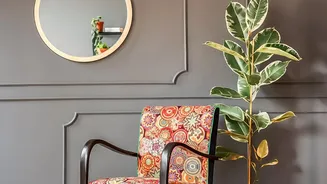
Think beyond simply hanging a mirror on a wall. Use it to reflect something beautiful, like a piece of art, a plant, or a stylish light fixture. Avoid placing it where it will reflect clutter. In a dining room, a rustic mirror can create an elegant backdrop. In a bedroom, placing one above a dresser instantly creates a functional vanity space. Even bathrooms can benefit from the warmth of a wooden frame, provided the wood is properly treated to resist humidity. Don't be afraid to use rustic mirrors to complement other styles; their natural texture can provide a beautiful contrast in modern or industrial-themed rooms.