



A Digital Threat with Physical Consequences
In early November 2026, a wave of coordinated cyberattacks struck supermarkets across at least ten European nations, including Belgium, Sweden, Ireland, and Germany. This followed a similar, large-scale incident in France in October that affected hundreds
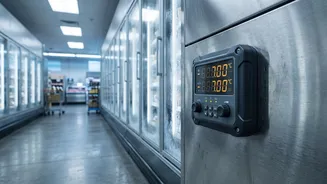
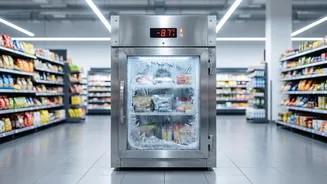
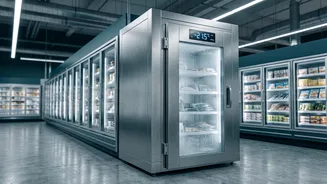
of stores. The attackers didn't steal customer data or financial information. Instead, they targeted the stores' operational technology (OT)—specifically, the internet-connected controllers for refrigeration and freezer units. By remotely manipulating the systems, hackers forced the units into defrost cycles or simply cranked the temperature up, in some cases to a staggering 50°C (122°F). The result was immediate and catastrophic: tonnes of frozen and chilled products were destroyed, leading to financial losses estimated in the millions of euros and raising serious concerns about food safety and supply chain stability.
The Internet of 'Vulnerable' Things
The core of the problem lies with the 'Internet of Things' (IoT)—the vast network of physical devices, from smart thermostats to industrial machinery, that are connected to the internet. In the retail sector, connecting refrigeration systems allows for remote monitoring, energy management, and predictive maintenance—all valuable efficiencies. However, this connectivity creates new entry points for malicious actors. Many of these commercial refrigeration systems are legacy products, designed for a long operational life but not for an evolving cybersecurity landscape. They often run on outdated firmware that no longer receives security updates, making them easy targets. Compounding the issue, many devices are installed with weak, default passwords that are never changed, or are connected directly to the public internet without adequate protection. Cybersecurity experts noted that this basic lack of 'cyber hygiene' was a key factor in the European attacks.
Why Target a Supermarket Freezer?
The motive behind these specific attacks remains unclear, as no group has claimed responsibility. However, the incidents highlight how critical infrastructure, including the food supply chain, has become a viable and disruptive target. Unlike data theft, which can be abstract, causing physical food spoilage creates tangible, media-friendly chaos. For retailers operating on thin margins, the financial impact of lost inventory and operational downtime is immense. The EU's food and agriculture commissioner described the events as a 'deliberate attempt to disrupt our food supply chain and undermine consumers' confidence'. This type of attack demonstrates that you don't need to breach a company's main corporate IT network to cause significant damage; compromising a single, poorly secured piece of operational equipment can be just as effective.
Securing the Cold Chain
In the wake of the attacks, cybersecurity agencies and industry groups have urged retailers to take immediate action. The primary advice is to conduct a thorough inventory of all connected devices and ensure they are not directly exposed to the internet. Simple but crucial steps include changing default passwords, implementing multi-factor authentication, and regularly updating software and firmware. A key long term strategy is network segmentation, which involves creating separate, isolated networks for operational technology like refrigeration systems. This ensures that even if one device is compromised, the attacker cannot easily move across to more critical business systems. Upcoming regulations like the EU's Cyber Resilience Act will also place stricter security obligations on manufacturers of connected devices, forcing them to provide support and updates for a product's expected lifetime.