
The New Urban Pioneers
Forget the classic image of wildlife fleeing from human expansion. A new class of urban dwellers is emerging. These are the synanthropes: species that live near and benefit from human environments without being domesticated. In North America, coyotes
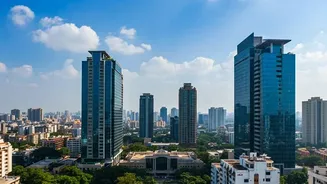
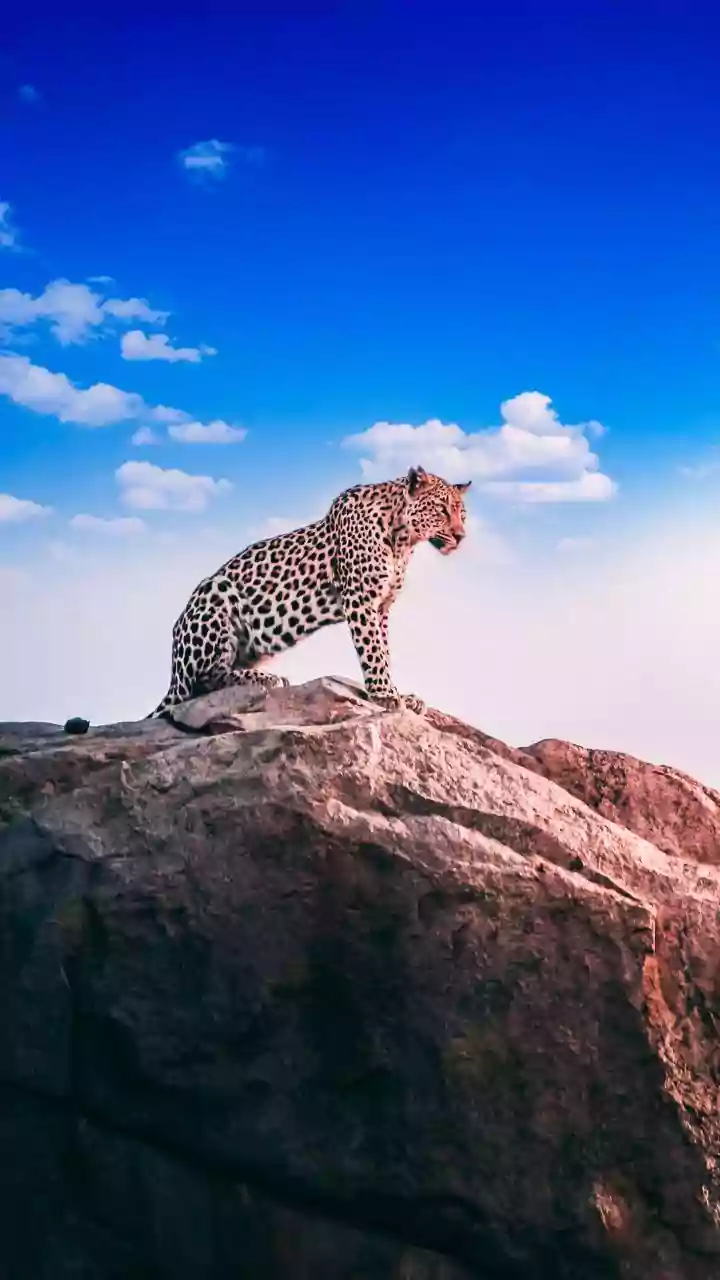
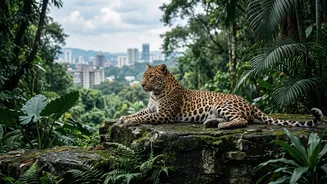
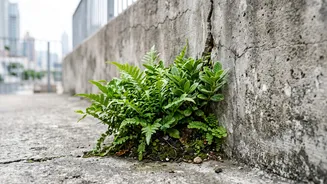
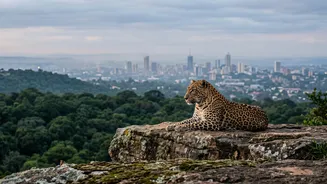
now raise pups in nearly every major city, from New York's Central Park to the suburbs of Los Angeles. Once confined to the prairies, they now find city life offers a safer alternative to the countryside, with fewer predators and hunting threats. In Mumbai, one of the world’s most densely populated cities, leopards navigate alleyways and hunt urban prey like stray dogs, demonstrating remarkable adaptability. This isn't limited to large mammals; peregrine falcons nest on skyscrapers, raccoons have become masterminds of urban foraging, and various birds and insects are finding new niches in the concrete jungle.
Why the City Is Appealing
What makes a noisy, crowded city an attractive home? The answer lies in resources and safety. For many animals, cities offer a veritable buffet. Unsecured rubbish bins, discarded food, and abundant rodent populations provide a reliable food source that often surpasses what’s available in more natural settings. For predators like coyotes or leopards, this can mean a diet supplemented with rats, stray cats, and other small animals that thrive in urban areas. Beyond food, the urban landscape provides unique forms of shelter. Culverts, railway embankments, parks, and even abandoned buildings can serve as dens and nests. Furthermore, cities often represent a sanctuary from traditional threats. For example, a coyote in Chicago has a much higher annual survival rate compared to its rural counterpart, largely due to the absence of hunting and trapping.
Survival of the City-Smart
Thriving in a city isn't just about finding food; it requires significant behavioural changes. Research shows that urban animals often become bolder, more exploratory, and more active than their rural relatives. They learn to navigate complex environments, avoid traffic, and become more tolerant of human presence. Many species adapt by becoming nocturnal, taking advantage of the quiet night to forage and move. Communication also changes. Urban birds, for example, have been observed singing at a higher pitch or earlier in the day to be heard over the low-frequency roar of traffic. This behavioural flexibility, or 'plasticity', is the key to their success. In some cases, these changes are so profound that researchers believe cities are driving rapid evolution, selecting for the 'smartest' and most adaptable individuals.
Learning to Be Neighbours
The rise of urban wildlife is not without challenges. Increased encounters can lead to human-wildlife conflict, from raccoons raiding gardens to more serious incidents. In Mumbai, for instance, coexistence with a large leopard population requires constant negotiation and community education to prevent attacks. The same is true in American cities, where coyote sightings can cause fear for pets and small children. However, the presence of wildlife also offers significant benefits. It provides urban residents with a crucial connection to nature, which has been linked to improved mental well-being. These animals also provide valuable ecosystem services, such as pest control by birds and bats. As urbanisation continues, the focus is shifting from eradication to management and coexistence. By understanding the needs and behaviours of our wild neighbours, cities can implement strategies like creating wildlife corridors and preserving green spaces to foster a healthier, more balanced urban ecosystem for all its inhabitants.