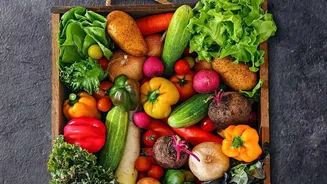





The Golden Rules of Vegetable Shopping
Before diving into specific vegetable types, a few universal principles can guide your choices. First, use your senses. Fresh vegetables often have a vibrant colour and a crisp texture. A foul, sour, or bitter smell is a clear sign that a vegetable has
started to go bad. Also, feel the vegetable. It should generally feel firm and heavy for its size. Soft spots, sliminess, or a mushy texture indicate spoilage is underway. Whenever possible, buy seasonal produce from local markets or 'mandis'. These vegetables have spent less time in transit and storage, meaning they are fresher and retain more nutrients.
Choosing Leafy Greens
Leafy greens like spinach (palak), coriander (dhania), and fenugreek (methi) are notorious for spoiling quickly. When buying, look for leaves that are bright and vibrant in colour. Avoid bunches with yellowing or browning leaves, as this is a sign of aging. The leaves should look crisp and perky, not wilted or droopy. A key indicator of spoilage is a slimy texture; if the leaves feel sticky or slick, it's best to avoid them. While slight wilting can sometimes be revived by soaking the stems in water, a slimy feel means the greens are already decaying.
Selecting the Best Root Vegetables
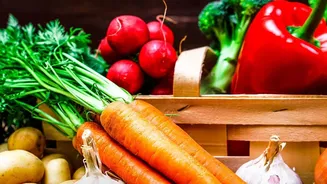
Root vegetables like potatoes, onions, carrots, and ginger are pantry staples, and choosing well means they can last for weeks or even months. For potatoes and onions, look for vegetables that are very firm, with no soft spots or bruises. They should be dry and have papery skins. Avoid any that have started sprouting. Carrots should be firm and a deep orange colour. Limp or rubbery carrots are losing moisture and won't be as crisp. A white blush on carrots just means they are a bit dehydrated and should be eaten soon, but mushy or slimy carrots should be avoided. Fresh ginger should have smooth, taut skin and feel firm and heavy.
Picking Perfect Fruiting Vegetables
This category includes favourites like tomatoes, brinjal (eggplant), and bhindi (okra). For tomatoes, look for bright, shiny skin and a firm texture. They should feel heavy for their size and have a noticeable, sweet smell. Avoid tomatoes with soft spots, cracks, or a slimy appearance. When choosing brinjal, the skin should be smooth, glossy, and uniform in colour. A dull or wrinkled appearance means it's older. It should feel firm but have a slight give when pressed gently. For bhindi, select smaller, brighter green pods. The classic test is to snap the tip—if it breaks off with a crisp sound, the bhindi is tender and fresh.
Buying Cruciferous Vegetables like Gobi and Cabbage
Cauliflower (gobi) and cabbage are dense vegetables that can last a while if chosen correctly. For both, the head should feel heavy and compact. When buying cauliflower, look for creamy white florets that are tightly packed together. Avoid heads with brown spots or florets that are starting to spread open. The surrounding leaves should be green and fresh, not yellow or wilted. Similarly, a good cabbage will have crisp, tightly packed leaves. Avoid any that have extensive bruising, blemishes, or signs of insect damage.
Smart Storage Is Just as Important
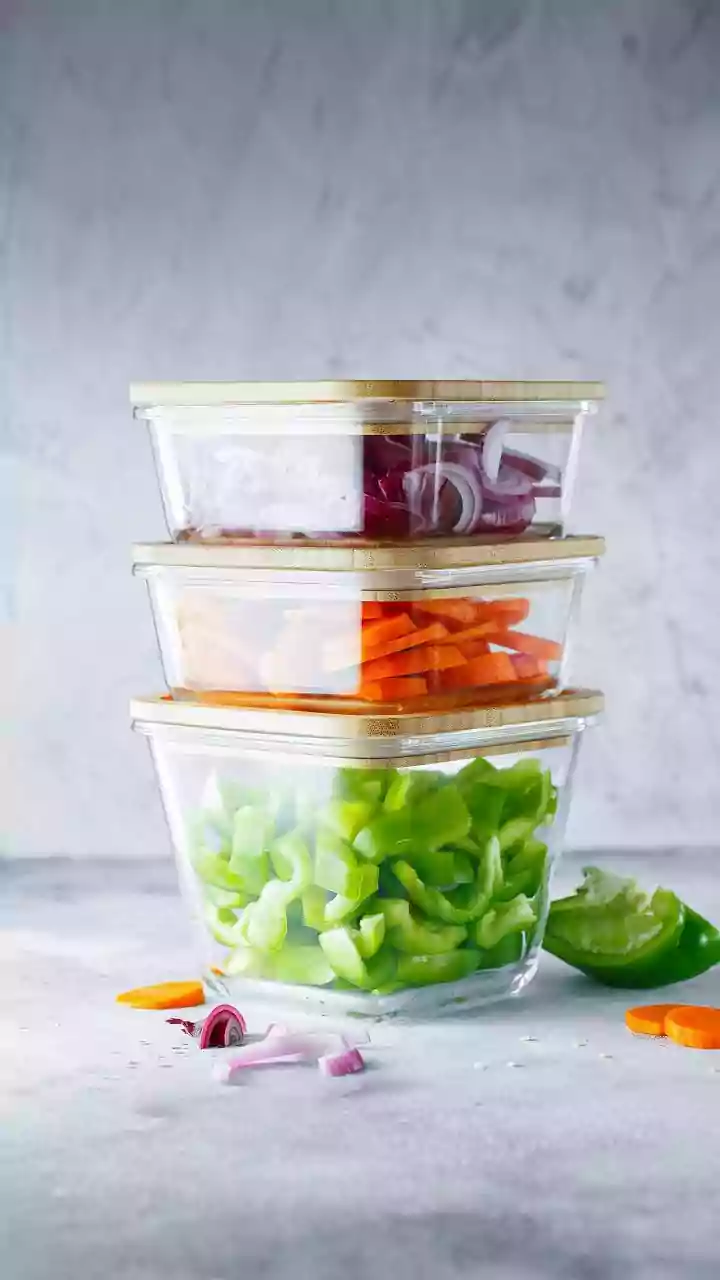
Choosing the right vegetables is only half the battle; proper storage is crucial to extending their life. Most fresh vegetables do best when stored in the crisper drawer of your refrigerator, often in a plastic bag to retain humidity. However, items like potatoes and onions should be stored in a cool, dark, and dry place, but not in the fridge. It's also wise to avoid washing most produce until just before you're ready to use it, as excess moisture can accelerate mold growth and spoilage. By pairing smart shopping with proper storage, you can significantly cut down on food waste.