
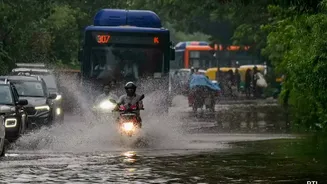


The Annual Downpour Arrives
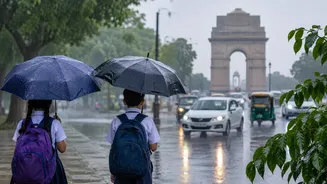
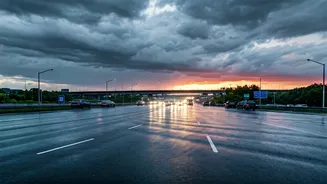
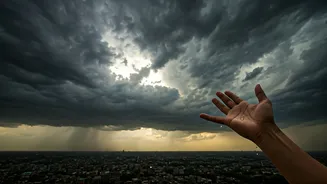
After weeks of intense heat, the monsoon has finally made its presence felt across the National Capital Region. According to the India Meteorological Department (IMD), widespread rainfall is expected over the next several days, accompanied by thunderstorms
and a welcome drop in temperature. While this brings relief, for residents of Delhi, Gurugram, Noida, and Faridabad, it also signals the start of a familiar battle against waterlogging, traffic snarls, and the pervasive dampness that seems to get into everything. It's a season that demands more than just an umbrella; it requires a strategy for your wardrobe, your commute, and most importantly, your state of mind.
Protecting Your Prized Leather
The monsoon can be a nightmare for your favourite leather shoes and bags. Leather is highly porous and absorbs water, which can lead to staining, warping, and the dreaded growth of mould and mildew. The first rule is proactive care. Before the season gets into full swing, treat your leather goods with a quality water-repellent spray or wax. This creates a barrier that causes water to bead off instead of soaking in. If your items do get wet, the immediate aftermath is crucial. Gently wipe off surface water with a soft, dry cloth. Never use a hairdryer or direct sunlight to speed up drying, as the intense heat can cause the leather to crack and become brittle. Instead, stuff shoes and bags with newspaper or a clean cloth to help them hold their shape and absorb internal moisture, then let them air dry in a well-ventilated room.
The Art of Monsoon Storage
During the humid monsoon months, how you store your belongings is as important as how you clean them. High humidity creates the perfect breeding ground for fungus. Avoid storing leather items in plastic bags or airtight containers, which trap moisture. Instead, use breathable cotton dust bags or old pillowcases. For an extra layer of protection, especially in closets and shoe racks, silica gel packets are your best friend. These inexpensive packets absorb ambient moisture from the air, significantly reducing the risk of mould. You can toss a few into your bags or at the bottom of your wardrobe to keep the dampness at bay. If you spot any fuzzy white or green patches, wipe them off immediately with a cloth lightly dampened with white vinegar before the spores can spread further.
Navigating the Waterlogged Commute
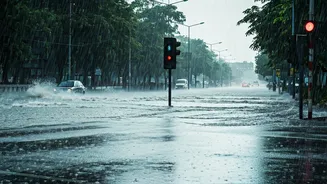
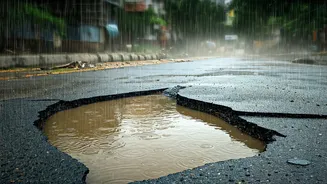
Driving during the Delhi monsoon is an exercise in extreme patience. Waterlogged streets can stall engines and damage a vehicle's electrical systems. Before heading out, check your vehicle's essentials: tyres, brakes, and wipers. Wet roads dramatically increase braking distances, so maintain a safe distance from the vehicle in front of you and drive at a controlled speed. It's wise to avoid waterlogged underpasses and low-lying areas altogether; follow traffic police updates on social media for real-time information on problem spots. For those on foot or using public transport, waterproof footwear is non-negotiable to prevent fungal infections. Be wary of walking through puddles, as they can hide open manholes or other hazards. Always have a backup plan for your commute and be prepared for significant delays.
Monsoon Health and a Dose of Patience
Beyond the logistical challenges, the monsoon brings health considerations. The humid weather is conducive to bacterial and viral growth, making it crucial to be mindful of what you eat and drink. It's advisable to avoid street food, especially items that may have been prepared with contaminated water. Stick to freshly cooked, warm meals and boiled or purified water to steer clear of common monsoon ailments. Finally, cultivate patience. Traffic will be slower, plans will be cancelled, and the humidity will test your nerves. The key is to accept the rhythm of the season. Prepare an emergency kit for your car with snacks and water, keep a power bank charged, and accept that some things are simply out of your control.