






Shift Your Mindset From 'All or Nothing'
The biggest hurdle to exercising during family get-togethers is the belief that you need a full hour at a gym for it to count. Let go of that idea. During this busy time, consistency trumps intensity. The goal is not to hit a personal best, but to simply
keep your body moving. Research shows that even short bursts of activity have significant health benefits. Appreciating that a 10-minute walk or a few sets of squats is a victory can transform your approach. Instead of feeling guilty about a missed workout, feel proud of the small moments you carve out. This shift in perspective makes it easier to integrate movement into a packed schedule rather than seeing it as an impossible task. Remember, the focus is on what you can do, not what you can't.
Embrace 'Workout Snacks'
Think of movement in small, bite-sized pieces throughout the day. These 'workout snacks' are short, 5-to-15-minute bursts of activity that you can do almost anywhere, with no equipment needed. Studies have shown that even a few one or two-minute bursts of vigorous activity can improve cardiovascular health and contribute to a longer life. Before your morning shower, do a few minutes of stretching. While waiting for the kettle to boil, do a set of counter push-ups. Before bed, hold a plank for as long as you can. These brief sessions boost your metabolism, improve your mood through endorphins, and can be just as effective at managing stress as a longer workout.
Make Movement a Group Activity
You don't always have to choose between family time and fitness. Blending the two can create new traditions and memories. Suggest a post-meal walk around the neighbourhood to look at festive lights or just enjoy the fresh air. If there are kids around, initiate a game of tag, hide-and-seek, or simply kick a ball around in the garden. Even simple activities like a family dance party to holiday music can get everyone's heart rate up while creating a fun, shared experience. By framing it as a fun group activity rather than 'exercise', you are more likely to get enthusiastic participation from everyone.
Use Your Environment Creatively
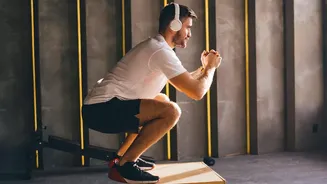
No gym? No problem. Your temporary home is full of opportunities for a quick and effective workout. All you need is a few feet of floor space. Use a sturdy chair or the edge of a sofa for tricep dips. A clear bit of wall is perfect for wall-sits or wall push-ups. Your own body weight is the only tool you need for incredibly effective exercises like squats, lunges, planks, and push-ups. You can even use luggage or a backpack filled with books for added resistance. The key is to see your surroundings not as a limitation, but as a potential workout space waiting to be used.
Quiet, Equipment-Free Exercises
When you're a guest in someone's home, the last thing you want to do is make a lot of noise or take up a lot of space. Here are some silent but powerful moves you can do in a small area: Squats: A fundamental lower-body exercise that strengthens your legs and glutes. Lunges: Great for balance and working each leg independently. You can do them stationary or walking, if you have a hallway. Plank: An excellent core-strengthening exercise. Try holding it for 30-60 seconds at a time. Glute Bridges: Lie on your back with your knees bent and lift your hips toward the ceiling. This targets your glutes and hamstrings. Push-Ups: A classic for upper body strength. If a floor push-up is too much, do them on an incline against a wall or sturdy counter. Mountain Climbers: A quiet way to get your heart rate up. Start in a plank position and bring your knees toward your chest one at a time.
Communicate and Schedule Your 'Me Time'
Sometimes, the best way to find time is to ask for it. It can feel awkward, but carving out a small window for yourself is crucial for managing the social and emotional energy of family gatherings. You can frame it simply: 'I'm just going to pop out for a quick 20-minute walk to get some fresh air.' Waking up a little earlier than everyone else can also provide a quiet window for a quick yoga session or stretching routine. Alternatively, you can volunteer for solo tasks like walking the dog or making a quick run to the store, giving you a legitimate reason to get some space and time alone. Taking these small breaks can help you feel more recharged and present when you return to the group.