








Find Your Ideal Temperature
One of the most critical but overlooked factors for good sleep is room temperature. Your body's core temperature naturally drops to initiate sleep. A cool room helps facilitate this process. Most experts suggest that the ideal temperature for adult sleep is between
15.5 to 19.5 degrees Celsius. A room that is too hot, generally above 21°C, can disrupt restorative REM sleep and lead to restlessness. Conversely, a room that is too cold can put stress on your cardiovascular system as your body works to stay warm. For those in warmer Indian climates where humidity is also a factor, proper ventilation, a dehumidifier, or air conditioning can be essential for creating a comfortable environment that prevents night sweats and discomfort.
Master the Art of Darkness
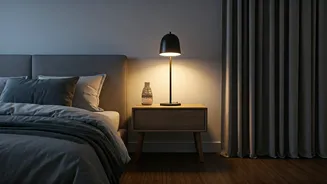
Light is the most powerful signal for your body's internal clock, or circadian rhythm. Exposure to light at night, even small amounts, can suppress the production of melatonin, the hormone that tells your body it's time to sleep. Investing in blackout curtains is a highly effective way to block external light from streetlights or early morning sun. Beyond the windows, tackle internal light pollution. Cover or remove electronic devices with glowing LEDs. Most importantly, switch to softer, warmer lighting in the hour or two before bed. Bright overhead lights keep the brain alert; using dim, warm-toned lamps helps signal that it's time to wind down. Some experts even suggest using red or amber-hued light bulbs, as they have a minimal effect on melatonin.
Control the Soundscape
Even when you're asleep, your brain continues to process sound. Sudden or inconsistent noises like traffic, a barking dog, or even a dripping tap can cause micro-arousals. You may not fully wake up, but these disturbances disrupt your sleep cycle, pulling you out of deep, restorative stages. To combat this, consider sound-absorbing materials like thick curtains, rugs, or cushions. For those in noisy areas, a white noise machine can be a game-changer. It creates a consistent, soothing blanket of sound that masks sudden disruptions. Pink or brown noise, which have deeper tones like steady rain or rumbling thunder, are also popular options for promoting uninterrupted rest.
Breathe Cleaner Air
The air you breathe for eight hours a night has a significant impact on sleep. Poor indoor air quality, rife with pollutants like dust, allergens, or fine particulate matter (PM2.5), is linked to sleep problems. These pollutants can trigger inflammation, respiratory issues, and allergies, leading to snoring, a stuffy nose, or an itchy throat that makes falling asleep difficult. In many Indian homes, opening windows in the early morning or late evening can help refresh stale air. Indoor plants like aloe vera can also help purify the air. For those with allergies or in highly polluted areas, an air purifier can significantly reduce airborne particles and improve overall sleep comfort.
Create a Clutter-Free Zone
A tidy room promotes a tidy mind. Clutter can be a source of subconscious stress and restlessness, making it harder for your brain to relax. Your bedroom should be a sanctuary for rest, not a storage unit or a workspace. Piles of laundry, stacks of paper, and work-related materials are visual reminders of your to-do list, keeping your mind active. Make it a nightly ritual to spend a few minutes tidying up. Ensure everything has its place, using smart storage solutions like under-bed drawers or built-in wardrobes to keep surfaces clear.
Choose Calming Colours
While personal preference is key, colour psychology suggests that certain shades are more conducive to sleep. Soft, muted, and cool tones like light blue, dusty green, or lavender are known to promote calmness and relaxation. These colours can evoke feelings of serenity and may even help lower your heart rate. Neutral hues like beige, taupe, or soft greys also create a soothing, understated backdrop. If you prefer darker shades, a deep navy or soft charcoal can have a cocooning effect, removing visual stimulation and signalling to the brain that it's nighttime. The key is to avoid bright, high-energy colours like vibrant reds or oranges, which can be overstimulating.