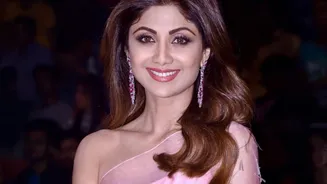







Fitness icon Shilpa Shetty never fails to inspire with her workout routines. A recent post featuring a ball exercise goes beyond muscle strength, shining a light on a crucial skill we all need: hand-eye coordination. But what is it really?
More Than Just Child's Play
Hand-eye coordination
is the crucial ability of your eyes to see information and relay it to your brain, which then instructs your hands to perform a task accurately. Think of it as a constant, high-speed conversation between your vision and your motor skills. While we often associate it with athletes catching a cricket ball or tennis players hitting a perfect shot, this skill is fundamental to countless daily activities. From simple things like pouring a glass of water without spilling, to typing on a keyboard, or navigating traffic while driving, good hand-eye coordination is constantly at work. It's a skill that can decline with age, but the great news is that, like any other physical ability, it can be significantly improved with consistent practice.
Shilpa's 'Brain and Body' Workout
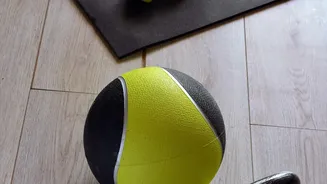
In a recent video, Shilpa Shetty demonstrated a routine that brilliantly combines physical and cognitive effort. The exercise involves dropping and catching two balls in succession, first while standing, and then while balancing on one leg to increase the difficulty. She noted that this kind of activity activates both hemispheres of the brain, enhances focus, and strengthens motor control. The act of tracking the balls, anticipating their movement, and coordinating both hands to catch them is a direct challenge to the brain's processing speed and the body's reaction time. By adding the one-legged balance component, she incorporates core stability and proprioception—your body's awareness of its position in space—making it a full-body and brain workout.
Why Coordination Is Key for Health
Improving your hand-eye coordination offers benefits that extend far beyond the gym. A sharper connection between your eyes and hands leads to faster reflexes, which can be critical for safety, such as catching yourself during a fall or reacting quickly to a road hazard. This is particularly important for older adults, as better coordination can help reduce the risk of injuries. Furthermore, exercises that challenge this skill also boost cognitive functions like attention, working memory, and mental clarity. The unstable nature of workouts using equipment like stability balls forces your deep core muscles to engage, improving posture and overall stability. It’s a form of training that makes daily movements more efficient and safer.
Easy Ways to Boost Your Coordination
You don't need a celebrity-level fitness setup to start improving. Many simple and even fun activities can sharpen your skills. Playing catch is a classic and effective method; you can start by simply tossing a tennis ball against a wall and catching it, alternating hands. Juggling is another fantastic exercise that forces your brain to track multiple objects and coordinate hand movements. Activities like table tennis, badminton, or even playing certain video games require quick reflexes and precision. For a lower-impact option, Tai Chi has been shown to improve hand eye coordination through its slow, deliberate movements. Even non sporting activities like completing a jigsaw puzzle or drawing can help refine the delicate connection between what you see and what your hands do.