





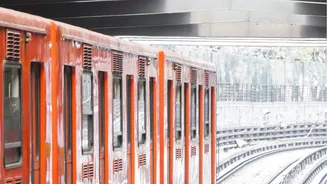

India's New Freight Superhighways
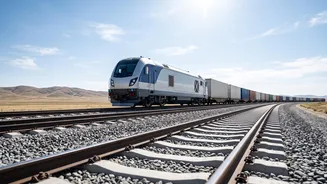
After nearly two decades of planning and construction, India has completed its ambitious Dedicated Freight Corridor (DFC) project, a 2,843-kilometre network of railway lines built exclusively for transporting goods. Prime Minister Narendra Modi recently
inaugurated the final sections of the Western Dedicated Freight Corridor (WDFC), which connects the Jawaharlal Nehru Port Trust (JNPT) in Mumbai to Dadri in Uttar Pradesh. This corridor intersects with the already operational Eastern Dedicated Freight Corridor (EDFC), running from Punjab to Bihar. Together, these two corridors form a new backbone for India's logistics, designed to carry heavier, longer, and faster freight trains across the country, fundamentally separating them from the passenger rail network.
The Core Problem: A Fight for Track Space
Until now, Mumbai's railway lines have been a shared battleground. Passenger trains, including the city's vital local services, competed for track space with slower, heavier goods trains. Since passenger services are given priority, freight trains often faced long delays, creating a ripple effect that slowed down the entire network. This chronic congestion has been a major bottleneck, limiting the number of local services that can be run and making delays a frustratingly common part of the daily commute for the approximately 8 million people who use the suburban system.
How a Freight Corridor Frees Your Train
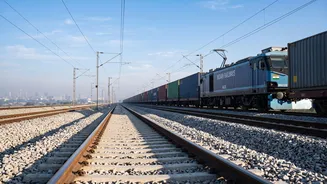
The logic of the DFC is simple but transformative: move the goods trains onto their own dedicated tracks. By shifting an estimated 70% of freight traffic off the conventional lines, the DFCs free up immense capacity on the existing railway network. For Mumbai, this is a game-changer. The WDFC provides a direct route for cargo moving to and from JNPT, one of India's busiest ports, meaning dozens of daily goods trains will no longer need to use the same tracks as the Virar fast local or the Harbour line train to Panvel. This decongestion is the critical step needed to improve the city's overburdened suburban rail services.
More Frequent, More Punctual Local Trains
The newly available capacity translates directly into tangible benefits for commuters. With freight traffic removed, railway authorities gain the flexibility to introduce more suburban train services, especially during peak hours. The project is expected to significantly reduce pressure on the existing network, allowing for not just more trains but also improved punctuality and reliability. With fewer conflicts on the tracks, local trains can run more smoothly and adhere to tighter schedules. In the long run, this could also pave the way for running faster passenger services, further cutting down commute times across the Mumbai Metropolitan Region.
A Boost for the Broader Economy
While the immediate impact will be felt by daily commuters, the completion of the DFCs has a much wider economic significance. The corridors are designed to slash logistics costs and transit times for businesses, making Indian industries more competitive. By enabling the use of double-stack container trains and running them at speeds of up to 100 km/h, goods can move from ports to industrial hubs faster than ever before. This efficiency strengthens supply chains, supports manufacturing, and boosts exports, contributing to the overall economic development of the nation. Furthermore, shifting freight from road to electrified rail offers significant environmental benefits by reducing carbon emissions.