
The Multisensory Joy of Crunch
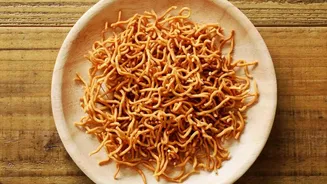
The love for crunchy and crispy food is universal, and it’s about more than just taste. It’s a full sensory experience. The sound a food makes when we bite into it is a powerful psychological signal. Research has shown that the sound of a crunch is perceived
by our brains as a sign of freshness and quality. This auditory feedback makes the food seem more enjoyable and can even make it seem more flavorful. Foods with a crispy texture often require more chewing, which can slow down our eating and lead to a greater sense of satiety. This combination of sound, feel, and the perception of freshness is why achieving that perfect crunch can transform a good meal into a great one.
The Power of Surface Starch
One of the main players in the quest for crunch is starch. Ingredients that are high in starch, like potatoes, are prime candidates for developing a crispy exterior. When starches are cooked in the presence of water, their granules swell and absorb moisture in a process called gelatinization. As cooking continues with dry heat (like roasting or frying), that moisture evaporates from the surface. The gelatinized starch then dries out and forms a rigid, brittle structure. Food scientists refer to this as a "glassy state." This delicate, glass-like layer is what shatters when you bite into it, creating that signature crispiness. Different starches create different effects; for instance, potato starch is known for forming a continuous, glass-like film that leads to a shattering crispness, while corn starch might produce a harder, grittier crunch.
The Magic of Browning
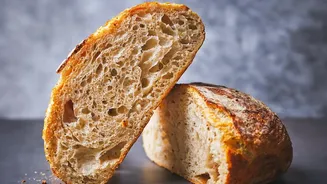
The beautiful golden-brown color on everything from a seared steak to a loaf of bread is not just for looks; it’s a critical part of texture creation. This browning is the result of the Maillard reaction, a complex chemical process that occurs when amino acids (from proteins) and reducing sugars react under heat. This reaction is responsible for creating hundreds of new aroma and flavor compounds, giving roasted, fried, and baked goods their distinctive, savory depth. But beyond flavor, the Maillard reaction is fundamentally a drying process. It happens most efficiently at high temperatures—typically above 140°C—when surface moisture has evaporated. As the reaction proceeds, it helps to form a dehydrated, complex crust that contributes significantly to the food’s crispy and crunchy character.
How Starch and Browning Work Together
Surface starch and browning are not separate phenomena; they are partners in creating the ultimate crunch. A starchy surface provides the ideal canvas for the Maillard reaction to work its magic. The simple sugars present in the starch act as fuel for browning, leading to a richer color and more complex flavor development. Think of roasted potatoes: par-boiling them first not only cooks the inside but also causes starch granules on the surface to swell and burst. When these potatoes are then roasted at high heat, that starchy layer dehydrates and provides the sugars needed for a spectacular Maillard reaction, resulting in a crust that is both deeply browned and exceptionally crispy. This synergy is the secret behind many of our favorite crunchy foods.
Putting the Science Into Practice
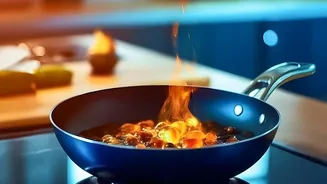
Understanding the science is one thing, but applying it in the kitchen is where the fun begins. To maximize crunch, focus on two key factors: managing moisture and applying high heat. First, always ensure the surface of your food is as dry as possible before cooking. Pat meats, fish, and vegetables dry with a paper towel. Excess moisture creates steam, which is the enemy of crispiness. Second, don't be afraid of high heat. Ovens, air fryers, and pans should be properly preheated to ensure the Maillard reaction kicks in quickly. Using a coating can also help. A light dusting of cornstarch or rice flour can enhance crispiness by adding extra starch and absorbing any lingering surface moisture. For breadings, panko crumbs are an excellent choice as they are drier and absorb less oil than traditional breadcrumbs, resulting in a lighter, crispier coating.