


The Great Monsoon Makeover
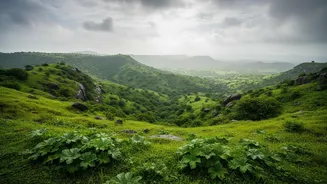
For years, Rajasthan's travel story has been written in winter sunshine and desert sands. But a noticeable trend is emerging: travellers are now chasing the clouds. After months of scorching heat, the monsoon arrives from July to September, transforming
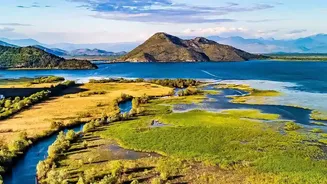
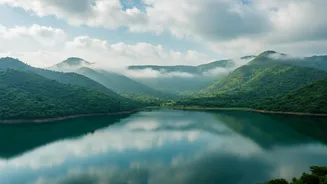
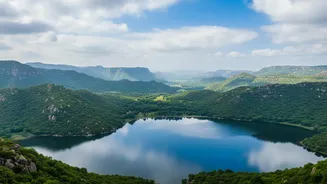
the arid landscape into a lush, green spectacle. The Aravalli hills shed their brown coat for a vibrant green one, long-dry lakes and rivers fill with fresh water, and a cool, pleasant climate settles over cities and countryside alike. This dramatic seasonal shift is creating what some call "green tourism," and it's encouraging visitors to explore a side of the state that remains hidden for most of the year. The result is a significant uptick in monsoon travel, with both popular and lesser-known destinations seeing a boost.
Spotlight: Keoladeo National Park, Bharatpur
A UNESCO World Heritage site, Keoladeo National Park in Bharatpur is a world-renowned bird sanctuary that truly comes alive in the rains. While peak migratory season is in winter, the monsoon is the crucial breeding period for hundreds of resident bird species. The man-made wetlands, rejuvenated by the rains, become a thriving ecosystem. Visitors can see nesting birds like herons, storks, and egrets in abundance. The park, carpeted in fresh greenery, becomes a paradise for photographers and nature lovers looking for a quieter, more intimate experience than the busy winter months offer. Cycling or taking a rickshaw through the lush trails offers a front-row seat to this display of nature's renewal.
Spotlight: Sambhar Salt Lake
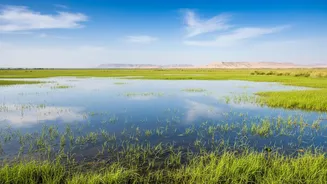
Known as India's largest inland salt lake, Sambhar is a landscape of surreal, white beauty for most of the year. But during the monsoon, it undergoes a magical transformation. Rainwater fills parts of the vast salt flats, turning them into a gigantic natural mirror that reflects the dramatic monsoon sky. While the winter months are famous for attracting thousands of flamingos, the rainy season has its own unique charm. The chirping of avian species like sandpipers and stilts fills the air as the wetlands are replenished. Though access can be limited and salt production halts, the quiet, otherworldly atmosphere and spectacular cloudscapes offer a rare and breathtaking experience for the adventurous traveller.
Spotlight: Udaipur, The City of Lakes
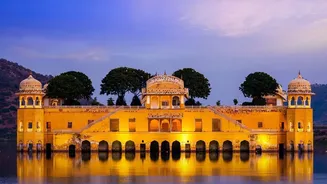
Udaipur is perhaps the best example of Rajasthan's monsoon magic. The entire identity of the city is built around its network of lakes—Pichola, Fateh Sagar, and others—which are fed by the surrounding Aravalli hills. During the monsoon, these lakes fill to the brim, offering the picture-perfect reflections of palaces and heritage buildings that the city is famous for. The hills turn a deep, lush green, a sight rarely associated with Rajasthan. It’s no surprise that the city’s iconic Sajjangarh Palace is also known as the Monsoon Palace, built specifically to watch the clouds roll in. With fewer crowds and lower hotel rates, experiencing Udaipur's romantic, rain-washed charm is a major draw.
The Hidden Gems: Bundi and Banswara
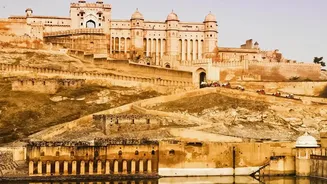
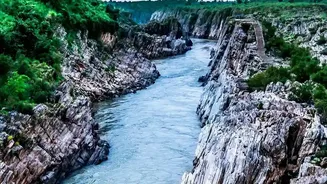
Beyond the big names, smaller destinations are gaining attention. Bundi, a historic town known for its forts, blue houses, and ornate stepwells (baoris), becomes a storybook setting in the rains. Its lakes revive, and the surrounding hills become verdant, offering a peaceful retreat from larger tourist hubs. Further south, Banswara, nicknamed the "City of a Hundred Islands," offers a landscape more akin to the Western Ghats than a desert. The numerous islands on the Mahi River and the spectacular sight of the Mahi Dam overflowing make it a unique monsoon destination, showcasing the sheer diversity of experiences Rajasthan now offers during the rainy season.