






The Paradox of Hidden Hunger
Micronutrients are the vitamins and minerals—like iron, vitamin A, iodine, and zinc—that our bodies need in small quantities to function properly. They are the invisible engines of our health, crucial for everything from brain development and immune function to energy
production. When these are missing from a diet, it leads to 'hidden hunger,' a form of malnutrition that can persist even when a person consumes enough calories to feel full. In India, this is a widespread public health issue. Studies show staggering rates of deficiencies across the population: more than half of all people may be deficient in vitamin D (61%), iron (54%), and vitamin B12 (53%). These are not just statistics; they represent millions of children with stunted growth, adults with lower productivity, and a population more vulnerable to illness.
The Calorie-Nutrient Divide
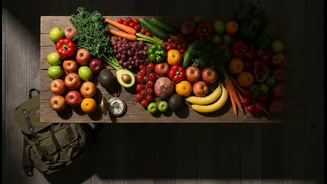
For decades, India's food policy has focused on calorie security, ensuring people have enough to eat by making staple grains like rice and wheat widely available and affordable. While this has been vital in fighting famine, it has inadvertently created a calorie-nutrient divide. A diet heavy in these staples can fill a person up but may lack the diverse micronutrients found in more expensive food groups. A truly nutritious plate includes pulses (dals), vegetables, fruits, and dairy—foods that are rich in the vitamins and minerals that staples alone cannot provide. The challenge is that as household incomes rise, the shift from a calorie-sufficient diet to a nutrient-rich one is not automatic. The primary barrier is the significant price difference between these food groups, a gap that many families simply cannot bridge.
The Economics of a Healthy Plate
The core of the issue lies in affordability. The headline's focus on the word "repeat" is critical—a healthy diet is not a one-time choice but a daily necessity. According to a 2024 UN report, over half of India's population (55.6%) cannot afford a healthy diet. One study found that a diet meeting all nutritional needs could cost more than double one that only satisfies energy requirements. For a vast portion of the population, especially in rural areas, this makes a balanced diet an out-of-reach luxury. Research from the Tata-Cornell Institute revealed that a recommended healthy diet could cost between $3-5 per person per day, while the average rural Indian spends only about $1 on food. When food prices spike, as they often do, households are forced to cut back, and nutrient-dense items like vegetables and fruits are typically the first to go, increasing the risk of malnutrition.
Can Fortification and Policy Bridge the Gap?
Recognizing this challenge, India has implemented several strategies to improve micronutrient intake without drastically changing dietary habits. Large-scale food fortification (LSFF) is one of the most prominent. This involves adding essential micronutrients to staples like salt (iodine), milk and oil (Vitamins A and D), and rice and wheat flour (iron, folic acid, B12). Government initiatives like the Anemia Mukt Bharat strategy and the PM POSHAN scheme also aim to improve nutritional outcomes through supplementation and providing fortified foods in schools. These are cost-effective methods to deliver nutrients to a large population. However, experts agree that fortification alone is not a silver bullet. For long-term, sustainable results, these efforts must be paired with policies that make naturally nutritious foods more accessible and affordable, such as by promoting crop diversification beyond just rice and wheat.