
Meet Nigella, The Seed of Blessing
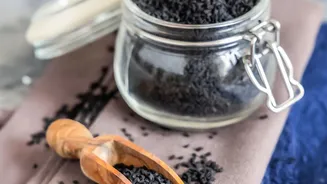
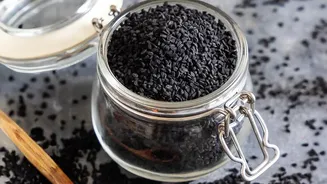
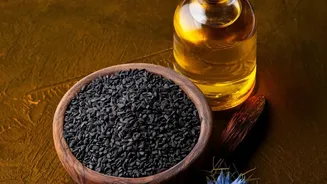
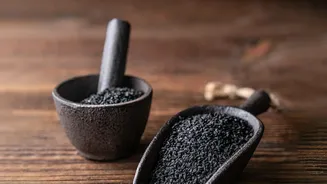
Nigella seeds, also known as kalonji, black caraway, or black onion seeds, are tiny, matte-black, teardrop-shaped seeds from the Nigella sativa plant. Despite their appearance, they are unrelated to black sesame seeds and have a completely different flavour
profile. While black sesame seeds are nutty and slightly sweet, nigella seeds offer something far more complex and savoury. Their use dates back millennia, with seeds even found in Tutankhamun's tomb, earning them the Arabic name 'habbatus sauda' or 'seed of blessing'. Commonly used in Indian, Middle Eastern, and North African cuisines, they are the key to the distinctive taste of many traditional flatbreads and pastries.
A Complex Flavour Profile
So, what exactly do they taste like? Nigella seeds pack a surprisingly potent punch. The flavour is often described as a unique combination of onion, black pepper, and oregano. They have a pungent, slightly bitter, and peppery taste with an earthy, onion-like aroma that becomes more pronounced when toasted. This layered flavour profile is precisely what makes them a perfect 'secret ingredient'. Instead of a one-note taste, they provide a supporting savoury depth that slowly builds with each bite, adding a mysterious and addictive quality to whatever they are baked into.
How to Elevate Your Bread
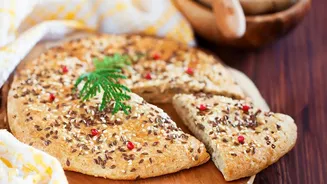
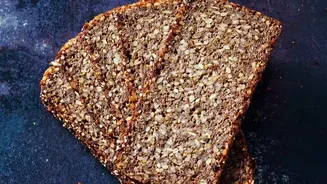
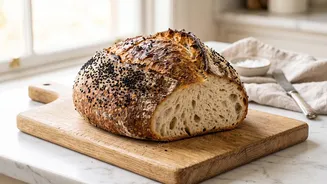
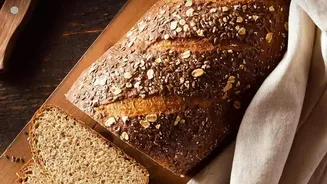
Incorporating nigella seeds into your baking is remarkably simple and works for nearly any bread recipe, from yeasted loaves and sourdough to quick soda breads. There are two primary methods. The first is to knead the whole seeds directly into the dough. A good starting point is one or two teaspoons of seeds per loaf; their flavour is strong, so it is best to start small and adjust to your preference. This method ensures the peppery, oniony notes are infused throughout the crumb. The second method is to use them as a topping, which adds visual appeal and a crunchy texture. Simply brush your dough with water or an egg wash before its final proof or just before baking, then sprinkle the seeds on top. As the bread bakes, the seeds toast and release their aromatic oils, creating an irresistible crust.
Beyond the Basic Loaf
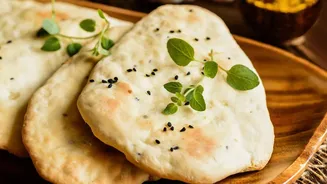
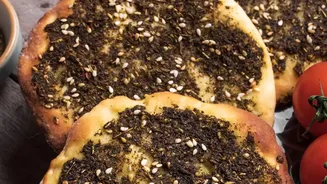
The applications for nigella seeds don't stop at a standard sandwich loaf. They are the traditional topping for Indian naan bread, lending the flatbread its characteristic flavour. They are also fantastic in other flatbreads like Turkish pide or Yemenite malawach. Try pressing them into the dough for homemade hamburger buns, dinner rolls, or even savoury biscuits for an instant upgrade. They pair beautifully with the flavours in focaccia or can be mixed into the flour for a savoury soda bread. Some bakers even add them to sourdough, where their earthy taste complements the tangy starter. For something different, they are a key component in the Bengali five-spice blend known as panch phoran, which can be used to flavour a variety of dishes.
Finding and Storing Your New Favourite Spice
You can easily find nigella seeds at most Indian or Middle Eastern grocery stores, online, and in the spice aisle of larger supermarkets. They are often sold under the name 'kalonji' and are very inexpensive, making this a truly budget-friendly way to enhance your baking. Once you have them, store the seeds in an airtight container away from heat and direct sunlight, just as you would any other spice. They will keep their potent flavour for up to two years. Given their powerful impact on flavour and texture, this small investment pays huge dividends, allowing you to consistently produce bread that tastes anything but ordinary.