





The Indoor Monsoon Challenge
While the rains wash the world outside, our homes can become sealed-off microclimates. With windows shut against the downpour, indoor humidity levels can skyrocket. This creates an ideal breeding ground for mould, mildew, and dust mites, which can thrive
in damp carpets, furniture, and walls. These allergens and pollutants can degrade indoor air quality, leading to musty odours and potentially triggering respiratory issues or allergies. The feeling of freshness we associate with rain often doesn't translate indoors, where poor ventilation traps pollutants and excess moisture.
The Power of Clay Dehumidifiers
Before you turn to a noisy, power-hungry electric dehumidifier, consider a natural alternative: clay. Materials like terracotta and certain mineral clays, such as montmorillonite, are naturally hygroscopic, meaning they can absorb moisture from the air. These natural dehumidifiers come in various forms, from simple terracotta bowls filled with salt to specially designed clay desiccant packs. The porous structure of the fired clay provides a vast surface area that attracts and traps water vapour, effectively pulling excess humidity out of your immediate environment.
Using Clay to Combat Dampness
Using clay dehumidifiers is simple. Place them in enclosed, high-humidity areas like closets, bathrooms, or small storage rooms where air circulation is poor. They work passively, without electricity. While their capacity is limited compared to an electric device, they are excellent for targeted moisture control. Once a clay absorber becomes saturated, it can often be "recharged." This is typically done by placing it in a warm, dry spot, like a sunny windowsill or a gently heated oven, which forces the stored moisture to evaporate, making it ready to use again. They are a cost-effective and eco-friendly solution for managing dampness.
Houseplants: Your Living Air Purifiers
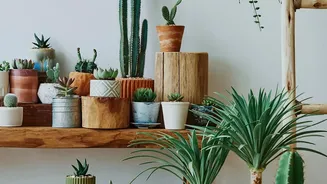
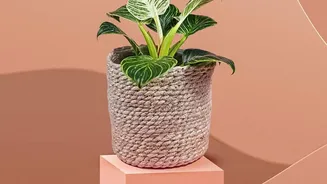
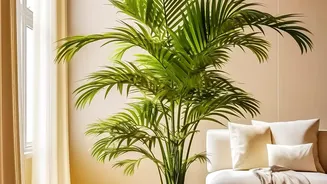
Houseplants are more than just decorative; many are workhorses when it comes to improving indoor air quality. While most plants release moisture through transpiration, certain species are known to absorb ambient moisture through their leaves, acting as natural, living dehumidifiers. This makes them particularly valuable during the humid monsoon season. Beyond humidity control, many of these plants are renowned for their ability to filter common indoor pollutants and toxins from the air, providing a dual benefit for your home's atmosphere.
Best Plants for Monsoon Freshness
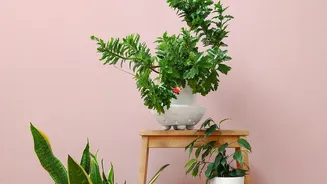
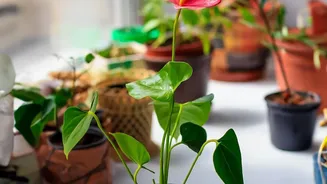
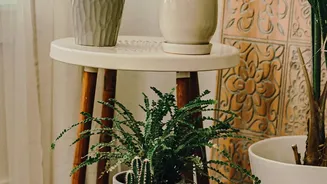
To fight monsoon stuffiness, focus on plants known for both humidity absorption and air purification. The Peace Lily is a top choice, absorbing moisture through its leaves while looking elegant. Boston Ferns are classic humidity lovers that thrive by pulling moisture from the air. The durable Snake Plant and the versatile Spider Plant are also excellent at absorbing excess humidity and are very low-maintenance. English Ivy is another powerful air purifier that helps combat airborne mould spores, which are common in damp conditions. Placing a few of these in your home can make a noticeable difference.
A Holistic Approach to Fresh Air
For the best results, combine these natural methods. Use clay dehumidifiers in your wardrobes and cabinets to protect clothes and linens, while placing humidity-absorbing houseplants in living areas and bedrooms. Remember to also encourage ventilation whenever possible. On dry, non-raining days, open windows and doors for at least a short while to allow fresh air to circulate and flush out stale, damp air. This combined strategy creates a healthier indoor ecosystem that is more resilient to the challenges of the monsoon season, keeping your home feeling fresh, clean, and comfortable.