




The Monsoon Kitchen Challenge
While we enjoy the rains, the science in our kitchens changes. Increased moisture in the air is a best friend to microorganisms like bacteria and mould. This combination of humidity and ambient warmth creates an ideal environment for them to multiply
rapidly on food surfaces. Common bacteria like E. coli and Salmonella thrive in these conditions, turning delicious leftovers into a potential health hazard far more quickly than in drier weather. This is why food that might last a day in summer can spoil in just a few hours during the monsoon, making proper storage not just a good habit, but a crucial safety measure.
The 90-Minute Rule for Leftovers
You may have heard of the 'two-hour rule'—not leaving perishable food out at room temperature for more than two hours. During the monsoon, you should shorten this window significantly. Due to the high humidity and temperatures often falling within the food safety 'danger zone' (between 5°C and 60°C), bacteria can proliferate much faster. A safer guideline for the rainy season is the 90-minute rule. Aim to get any cooked food you intend to save into the refrigerator within an hour and a half of it finishing cooking. For extremely hot and humid days, this window should be even shorter, closer to just one hour.
Cool Down Food Quickly and Correctly
Placing a large, steaming pot of dal or curry directly into the refrigerator is a common mistake. It can raise the internal temperature of the fridge, putting other stored items at risk and creating condensation, which encourages bacterial growth. Instead, you need to cool the food down quickly before refrigerating. The most effective way is to increase the surface area. Spread the food in a wide, shallow container. For liquid dishes like soups or gravies, you can place the container in an 'ice bath'—a larger bowl filled with ice and cold water—and stir occasionally to release heat faster. Once the steam stops rising, it's ready for the fridge.
Airtight Containers Are Your Best Friend
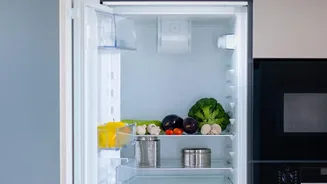
Humidity doesn’t just affect the food; it affects how we store it. Always use clean, dry, and airtight containers. This serves two purposes: it prevents moisture from the air from getting into the food, and it stops bacteria from the fridge environment from contaminating your leftovers. Storing food in the vessel it was cooked in, often with a loose lid, is not ideal. According to the Food Safety and Standards Authority of India (FSSAI), it's also vital to keep raw and cooked foods separate to avoid cross-contamination. Always store raw meat and poultry on the bottom shelf of the fridge, with ready-to-eat and cooked foods placed on the shelves above.
Reheat Thoroughly, Not Just Warm Up
When it's time to eat your leftovers, proper reheating is the final step in ensuring safety. Merely warming the food is not enough, as it might not be sufficient to kill any bacteria that may have developed during storage. You must reheat food until it is steaming hot throughout. For gravies, soups, and sauces, bring them to a rolling boil for at least a minute. If you have a food thermometer, the internal temperature should reach at least 75°C. Crucially, avoid reheating the same batch of leftovers multiple times. Each cycle of cooling and reheating provides another opportunity for bacteria to multiply. Only take out and reheat the portion you plan to eat immediately.
Navigating Monsoon Power Cuts
Frequent power outages are a reality for many during the monsoon. When the power goes out, your refrigerator's effectiveness is at risk. The best thing you can do is to keep the door shut. An unopened refrigerator can keep food at a safe temperature for about four hours. Avoid the temptation to open it and check on your food. Once power is restored, check the temperature. If it has risen above 5°C for a substantial period, it may be safest to discard perishable items like dairy, meat, and cooked rice dishes. When in doubt, it is always better to be safe and throw it out.