





The post-Diwali travel rush is in full swing, and railway stations across India are witnessing massive crowds. For those heading to a station to see off or receive loved ones, the big question is about platform tickets. Here's a guide.
The Core Issue: Managing Unprecedented Crowds
Every year, the
festive season sees millions of people travel across the country, leading to immense pressure on the railway network. A significant part of the congestion at major stations is caused not just by passengers, but also by the large number of relatives and friends who come to see them off or receive them. To ensure passenger safety and prevent dangerous overcrowding on platforms, Indian Railways regularly implements special measures. The primary goal is to keep platforms clear for boarding and alighting, reduce the risk of stampedes, and ensure smooth train operations during this critical period. This year, with the Diwali and Chhath Puja rush converging, railway authorities have deployed additional security and are using extensive CCTV monitoring to manage the flow of people.
Are Platform Tickets Available?
In many major cities, the answer is no. Several railway divisions have temporarily suspended the sale of platform tickets to curb non-essential footfall. For instance, Northern Railway has suspended platform ticket sales at six major Delhi stations, including New Delhi, Anand Vihar Terminal, and Delhi Junction, from November 3 to November 14. Similarly, Western Railway has stopped sales at key stations like Bandra, Surat, and Udhna until November 15. Central Railway has also implemented restrictions at busy hubs like Pune and Nashik Road stations for the same period. This is a common strategy to prevent platforms from becoming dangerously crowded. Before heading to a station, it is crucial to check the latest announcements from the local railway division, as these restrictions are decided at a zonal level and can be implemented with very short notice.
Price Hikes as a Deterrent
In places where platform tickets have not been outright suspended, passengers should be prepared for a significant price increase. In previous years, and as a recurring strategy, zonal railways have been known to increase the price of a platform ticket from the usual Rs. 10 to as high as Rs. 50. This five-fold increase is not for revenue generation but is intended as a deterrent to discourage people who do not have an essential reason to be on the platform from entering the station. This helps filter the crowd, ensuring only those who genuinely need to be there are present. This measure is typically temporary and is rolled back once the festive rush subsides.
Are There Any Exemptions?
Yes, railway authorities have clarified that the restrictions are not absolute and are meant to be practical. Platform tickets will generally still be issued to people who are assisting passengers in genuine need. This includes those accompanying senior citizens, persons with disabilities, ailing passengers, or women and children who cannot manage their journey and luggage independently. These exemptions ensure that vulnerable passengers still receive the support they need while navigating the chaotic station environment. However, the final decision to issue a ticket, even in these cases, often rests with the station authorities.
New Crowd Management Systems in Place
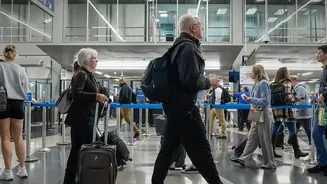
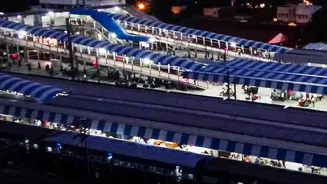
To better manage the flow of people, Indian Railways has been setting up designated holding areas, or 'Yatri Suvidha Kendras', at major terminals. These are often large, sheltered enclosures or pandals located outside the main station building. Passengers, especially those with unreserved tickets, are directed to these zones where they can wait in organised queues. These areas are typically equipped with basic facilities like seating, fans, water, and train information display boards. Passengers are then allowed onto the platforms in a staggered manner closer to their train's departure time. This system helps prevent the main concourse and platforms from getting overwhelmed. Additional RPF and GRP personnel are also deployed to guide passengers and maintain order.