



An Experience That Home Can’t Match
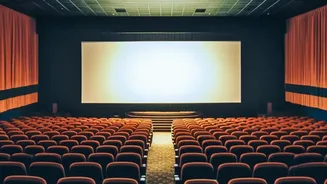
Even with impressive home theatre setups becoming more common, there’s a fundamental difference between watching at home and going to the cinema. At home, distractions are plentiful, from smartphones to the temptation to pause for a snack. The theatrical
experience, by design, eliminates these interruptions, creating a focused environment where the film is the sole center of attention. Studios and theatre chains have leaned into this distinction, betting that if they make the trip worthwhile, people will come. This has led to a clear divide: comedies, dramas, and smaller films find a comfortable home on streaming platforms, but sprawling action epics and visual feasts are drawing crowds back to the big screen.
The Power of Premium Formats
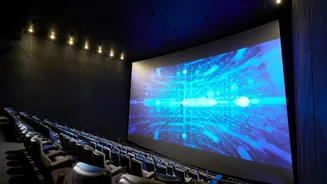
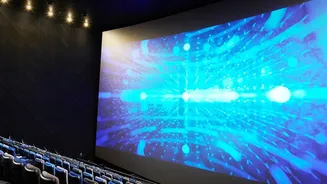
A significant driver of this trend is the rise of Premium Large Formats (PLFs). Brands like IMAX and Dolby Cinema offer more than just a bigger screen; they promise a superior technical presentation that home systems struggle to replicate. IMAX, for instance, is known for its towering screens and proprietary projection technology that can display films in unique aspect ratios, offering audiences more picture than a standard screen. This was a major marketing point for films like Christopher Nolan's 'The Odyssey', which was shot entirely with IMAX cameras. The strategy worked, with PLFs accounting for a massive share of the film's opening weekend box office. This success proves audiences are willing to pay a premium for an enhanced visual experience they can't get from their television.
Sound You Can Genuinely Feel
Visuals are only half the story. The other key differentiator is immersive audio. Multiplexes equipped with systems like Dolby Atmos can place dozens of speakers around the auditorium, including overhead. This allows sound designers to place audio with pinpoint precision, creating a three-dimensional soundscape that envelops the viewer. The roar of a dragon flying overhead or the subtle creak of a floorboard from behind isn't just heard; it's felt. This level of auditory immersion adds a visceral layer to the spectacle that even high-end home soundbars cannot fully reproduce, turning the film into a full-body sensory experience.
The Communal Thrill
Beyond the technology, there is an undeniable psychological component to watching a movie with a crowd. The shared experience of gasping at a shocking twist, laughing at a well-timed joke, or cheering at a heroic moment amplifies the emotional impact of a film. This collective energy transforms a solo viewing into a communal event, creating a sense of connection and shared memory. While streaming offers convenience and control, it cannot replicate the feeling of being part of an audience reacting in unison. For blockbuster events, this social aspect is a powerful draw, reminding us that cinema has always been a communal art form.
The Economics of an Event
The industry has taken note of these changing behaviors. Studios are now strategically investing billions into 'event films' specifically designed to be seen on the biggest screens possible. This creates a self-reinforcing cycle: studios produce more visually spectacular films because that's what draws theatrical audiences, and audiences go to theatres because that's the only place to get the true experience of these films. Furthermore, studios are re-establishing longer exclusive theatrical windows—the period before a film is available at home—signaling a renewed commitment to the cinema as the premiere destination for major releases. This strategy solidifies the multiplex's role not just as a place to watch a movie, but as the venue for a cultural event.