



Choose Your Spot Wisely
The first step in weather-proofing is choosing a location with some natural defence. A covered balcony, a deep veranda, or a patio beneath a wide overhang offers the best protection from direct rain. If your space is more exposed, consider adding a permanent
structure like a pergola or a retractable awning to create shelter. Even the placement of your furniture matters; try to avoid spots directly along exterior walls, as they can experience more significant temperature and humidity fluctuations. An ideal spot receives dappled sunlight without being fully exposed to the elements, providing a comfortable environment for both you and your belongings.
Invest in Weather-Resistant Furniture
Not all outdoor furniture is created equal, especially in humid climates. Materials like teak, powder-coated aluminum, and high-density polyethylene (HDPE) are excellent choices because they naturally resist moisture, rust, and rot. Teak is rich in natural oils that repel water, while powder-coated aluminum is impervious to rust, making it ideal for coastal areas. All-weather wicker made from synthetic resin offers the classic look of wicker without the risk of it cracking or warping. When selecting cushioned chairs or sofas, ensure the fabric is a performance material designed for outdoor use, which will resist mildew and fading. For added protection, store cushions in a dry place when not in use.
Smart Storage is Non-Negotiable
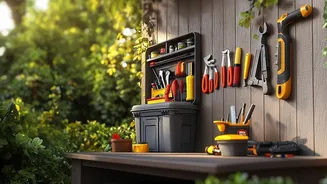
The key to keeping your books, blankets, and other comforts safe is a dedicated, waterproof storage solution. An open rack simply won’t protect against moisture. Look for a deck box or outdoor cabinet made from heavy-duty, waterproof resin or plastic. These are designed with tight-fitting lids to keep rain and pests out. For a more integrated look, some outdoor benches and tables come with built-in storage. When choosing a storage unit, ensure it features a design that keeps items off the ground to prevent moisture from wicking up from below. A quality outdoor storage chest is an investment that protects your primary one: your books.
Protecting Your Books and Tech
Paper and humidity are natural enemies. Paper absorbs moisture from the air, which can lead to warped pages and mould growth. The most foolproof solution for outdoor reading is an e-reader, but for those who love physical books, extra precautions are necessary. Never leave books outside overnight or during a storm. For longer-term storage in an outdoor cabinet, consider placing books in sealed plastic bags or containers. Adding a few silica gel packets or moisture absorbers inside your storage box can help combat residual humidity. This creates a safer microclimate for your cherished collection, ensuring your stories don't meet a damp end.
Managing Airflow and Ambient Moisture
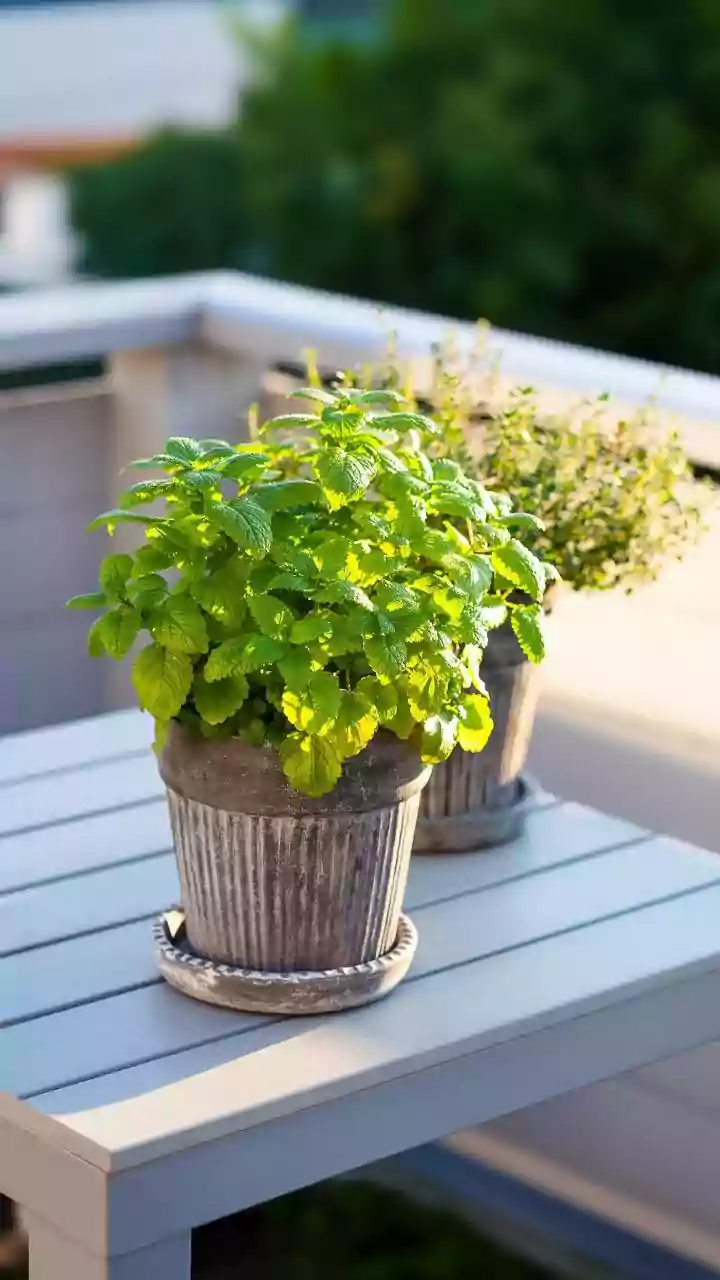
Humidity doesn't just come from rain; it's in the air. Good ventilation is crucial to prevent that damp, musty feeling from settling in. Ensure there is space for air to circulate around and behind your furniture and storage units. If your reading nook is in an enclosed or semi-enclosed area like a screened-in porch, using a fan can help keep the air moving and reduce moisture buildup. You can also be strategic with your plant choices. While greenery enhances a space, some plants release more moisture than others. Opt for plants that thrive in your climate without contributing to excess humidity. A well-ventilated space is less inviting for mould and mildew, keeping your reading sanctuary fresh and healthy.