



The Brightest Object in the Room
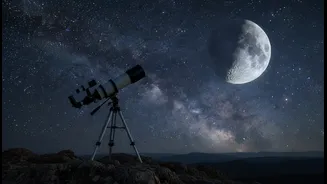
The Moon is the most dominant feature of our night sky, a beautiful and worthy object of observation in its own right. However, its brightness is also a form of natural light pollution. When the Moon is full, it can be so brilliant that it washes out
all but the brightest stars and planets, making a dark sky site feel more like a city centre. On a moonless night, you might see up to 3,000 stars with the naked eye, but during a full moon, that number can plummet by 90% to around 300. This is because the bright moonlight scatters throughout Earth's atmosphere, creating a diffuse glow that dramatically reduces the contrast needed to see fainter objects.
Plan for Darkness: New Moon and Deep-Sky Objects
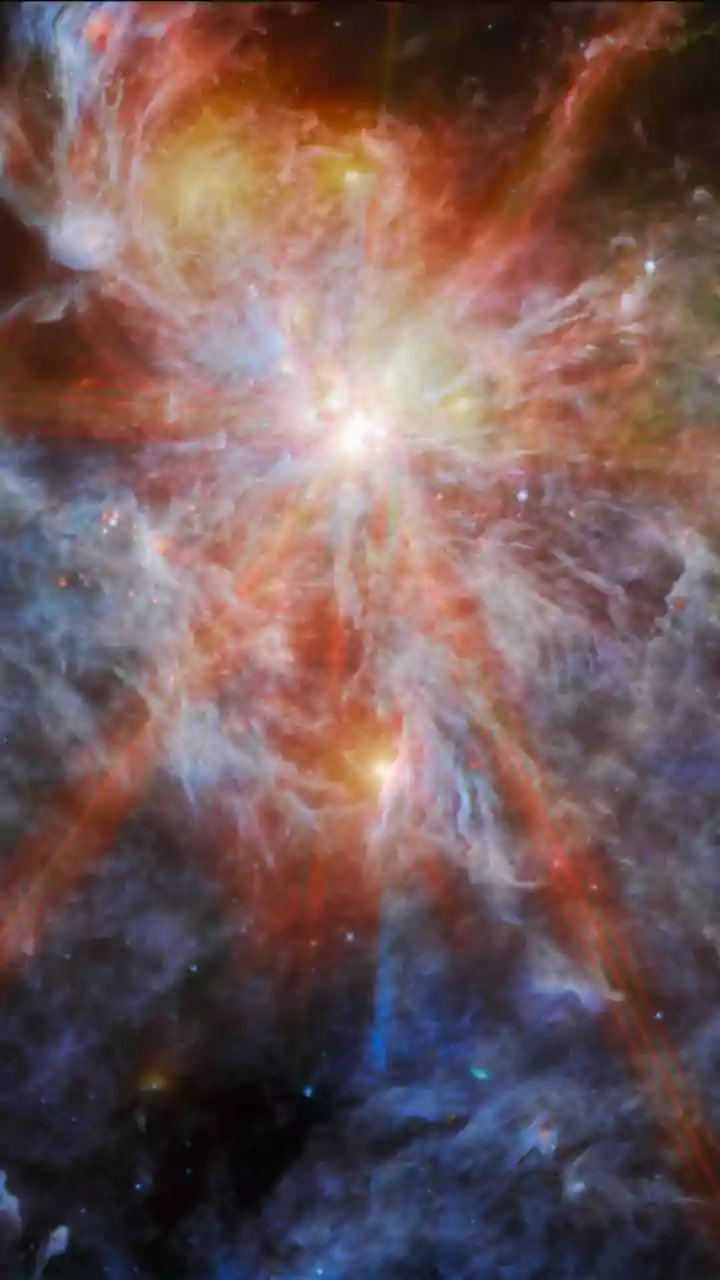
For amateur astronomers, the week surrounding the new moon is prime time. During this phase, the Moon is positioned between the Earth and the Sun, so its illuminated side faces away from us, leaving the night sky as dark as it can be. These are the nights to target deep-sky objects (DSOs)—the faint galaxies, wispy nebulae, and distant star clusters that require true darkness to be seen properly. Objects like the Andromeda Galaxy or the Orion Nebula become far more impressive and detailed when there is no moonlight to interfere. Planning your most ambitious observing sessions or astrophotography attempts for these moonless nights is a fundamental strategy for success.
When the Moon Is the Main Event
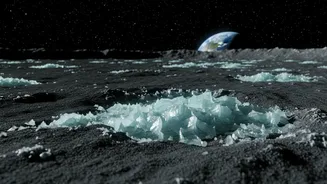
Just because a night isn't moonless doesn't mean you should pack up your telescope. In fact, some phases are perfect for turning your attention to the Moon itself. Ironically, a full moon is one of the worst times to observe lunar details. When the sun's light hits the Moon head-on from our perspective, surface features appear flat and washed out due to the lack of shadows. The best views of the Moon's terrain come during its crescent, quarter, and gibbous phases. The most dramatic details, like crater rims and mountain ranges, are revealed along the terminator—the line separating the sunlit and dark parts of the Moon—where long shadows create a stunning sense of depth and texture.
Working with the In-Between Nights
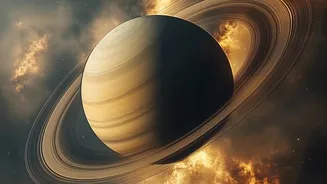
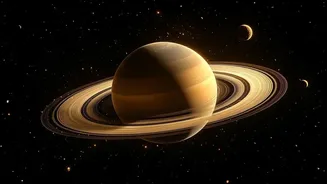
What about the rest of the month? You don't have to write off two-plus weeks of stargazing. The key is to be strategic. A first-quarter moon (half-lit) sets around midnight, leaving the early morning hours dark and perfect for observing. Conversely, a third-quarter moon rises around midnight, which gives you a great window for dark-sky viewing in the evening. Even a thin crescent moon provides plenty of dark sky time, as it sets shortly after sunset or rises just before sunrise. For brighter targets like planets Jupiter, Saturn, and Mars, the Moon's phase is less of a concern. These objects are bright enough to punch through the moonlight, although a nearby full moon can slightly reduce contrast on fine planetary details.
Your Toolkit for Tracking the Cycle
Keeping track of the lunar cycle, which averages 29.5 days, doesn't require complex calculations. Numerous digital tools can do the work for you. Smartphone apps like My Moon Phase, Stellarium Mobile, and Star Walk provide detailed lunar calendars, showing the current phase, illumination percentage, and moonrise/moonset times for your specific location. Many of these apps are designed with astronomers in mind, also offering information on weather, cloud cover, and celestial events. Integrating one of these tools into your routine takes only a moment and transforms how you plan your time under the stars, ensuring you're never again surprised by an unexpectedly bright night.