




Valley of Flowers, Uttarakhand: A Himalayan Carpet of Blooms
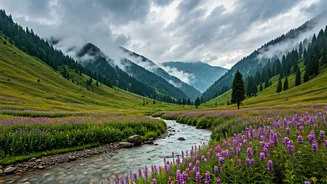
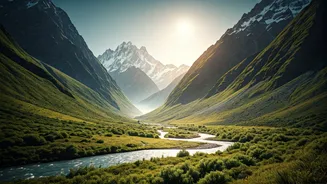
Arguably the most famous monsoon destination in the Himalayas, the Valley of Flowers National Park in Uttarakhand is a UNESCO World Heritage Site that truly comes to life with the rains. [9] From July to September, this high-altitude valley transforms
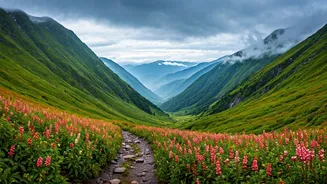
into a spectacular meadow bursting with over 500 species of wildflowers. [9] Trekkers are greeted by a kaleidoscope of colours, from the rare and revered Brahma Kamal to vibrant blue poppies and pink primulas. [6] The monsoon season is precisely when the valley is at its peak floral spectacle, making the trek a pilgrimage for botanists, photographers, and nature lovers. [9, 6] The journey, which starts from Govindghat, is as beautiful as the destination, with misty trails and the crisp mountain air adding to the enchantment. [17] The park typically opens in June and the best time to witness this floral explosion is from mid-July to mid-August. [10, 17]
Spiti Valley, Himachal Pradesh: The Rain Shadow Paradise
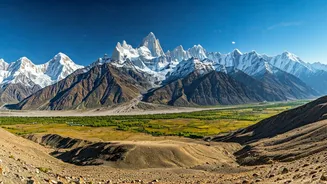
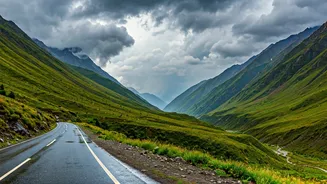
For those who want the drama of monsoon skies without the torrential downpours, Spiti Valley is the perfect escape. Located in a rain shadow region of the Himalayas, Spiti receives minimal rainfall, making it a safe and accessible destination during the monsoon months. [7, 16] While other parts of the mountains grapple with heavy rains, Spiti offers dry conditions, dramatic cloud-filled skies, and a unique serenity. [7] The season is considered offbeat, which means fewer tourists, allowing for a more peaceful experience at iconic sites like the Key Monastery and the ancient village of Tabo. [7, 11] The stark, lunar-like landscapes are punctuated by rare bursts of green, and the air is exceptionally fresh. [7] It's an ideal time for adventurous road trips, with routes from both Shimla and Manali generally open. [7, 11]
Kangra Valley, Himachal Pradesh: Tea Gardens in the Clouds
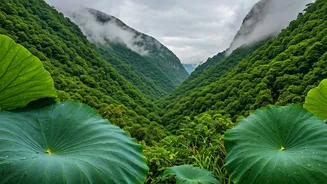
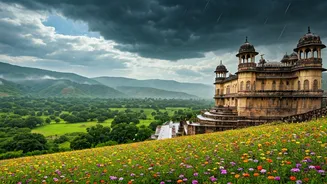
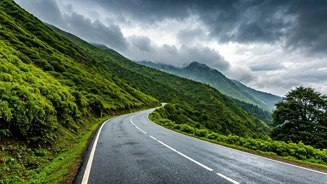
Nestled at the foothills of the mighty Dhauladhar range, the Kangra Valley becomes a lush green paradise during the monsoon. [8, 30] The rains wash over the landscape, leaving behind verdant tea gardens, especially around Palampur, that look breathtaking against the backdrop of cloud-covered peaks. [28, 30] While heavy rains can occur in July and early August, the later part of the season, from late August to September, offers a perfect balance of greenery and accessibility. [8] This is the time when the region's heritage sites and temples, like the Kangra Fort and Masrur Temple, can be explored in a cool, rejuvenating atmosphere. [8] The valley, filled with perennial streams and the flowing Beas river, is at its most vibrant, offering a tranquil retreat for those who appreciate nature's grandeur. [28]
Nubra Valley, Ladakh: The High-Altitude Desert in Bloom
Like Spiti, Nubra Valley in Ladakh is another destination that benefits from being in a rain-shadow area. [15, 27] While it's technically a cold desert, the minimal rainfall during the monsoon months from July to September brings a surprising transformation. [29] The valley floor turns greener, apricot trees flourish, and the Shyok River flows with renewed vigour. [13, 29] It's a fantastic time to visit, as the weather remains pleasant and the crowds of peak summer begin to thin. [13, 29] You can explore the famous sand dunes of Hunder, enjoy a Bactrian camel safari, and visit the serene Diskit Monastery without the usual hustle. [13] The dramatic play of clouds against the towering mountains creates a surreal and photogenic landscape that feels both peaceful and profound. [13, 29]
Tirthan Valley, Himachal Pradesh: A Riverside Sanctuary
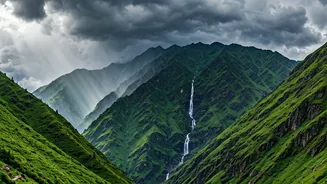
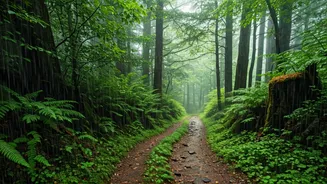
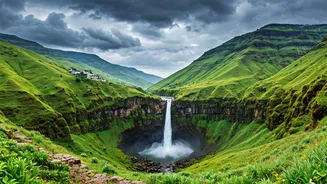
For those seeking an offbeat, nature-centric monsoon experience, Tirthan Valley is an excellent choice. While the core monsoon months of July and August see heavy rainfall, the shoulder periods of late June and late August/September offer a magical experience. [22, 23] The rain revitalises the lush forests of the Great Himalayan National Park, a UNESCO World Heritage Site. [19] Waterfalls like the Chhoie Waterfall are at their most powerful, and the Tirthan River rushes through the valley, making it a haven for nature lovers. [22] This period is perfect for leisurely nature walks, trout fishing, and staying in charming riverside homestays. [25] Although heavy treks into the park's core zone are not advised, the surrounding ecozone offers plenty of trails to explore the valley's renewed beauty. [22]