


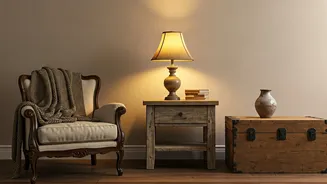


Why Traditional Bulbs Fall Short
For decades, the standard home lighting setup has been a single, bright bulb or fixture in the center of the ceiling. While functional, this approach often creates a flat, uninviting atmosphere. A lone overhead light produces harsh shadows and fails to
highlight the architectural features or decor that make a space unique. Furthermore, older incandescent and halogen bulbs are notoriously inefficient, converting a significant portion of the electricity they consume into heat instead of light, driving up your energy bills. [2, 17] They also have a much shorter lifespan, requiring frequent and costly replacements. [2, 28]
The Smart Alternative: LED Strip Lights
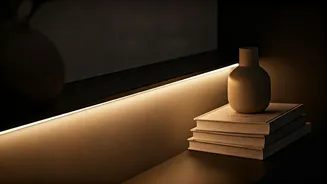
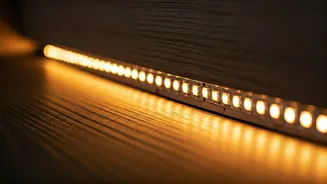
Enter the LED strip light—a flexible, ribbon-like circuit board with small light-emitting diodes (LEDs) that offers a modern solution to these age-old problems. [20] Unlike bulky bulbs, these strips are designed for indirect lighting. [4] Instead of shining directly into a room, they are often hidden from view, casting a gentle, reflected glow off surfaces like ceilings, walls, or under cabinets. [11] This technique eliminates harsh glare and creates a layered, professional-looking ambiance that makes a room feel more comfortable and sophisticated.
Understanding 'Warm' Light for a Cozy Feel
The term 'warm light' refers to the colour temperature of the light, measured in Kelvin (K). [3] Lower Kelvin values, typically between 2700K and 3000K, produce a soft, yellowish-white light reminiscent of a traditional incandescent bulb or a candle's flame. [10, 23] This type of light is ideal for creating a cozy, relaxing, and inviting atmosphere in living rooms, bedrooms, and dining areas. [22, 30] In contrast, cooler, blue-toned lights (above 4000K) can feel sterile and are better suited for task-oriented spaces like offices or hospitals. [3, 22] By choosing warm white LED strips, you can make your home feel more like a sanctuary.
A Win for Your Wallet and the Planet
The 'low energy' aspect of LED lighting is one of its most compelling benefits. LED strips consume significantly less electricity—up to 80% less than incandescent bulbs—to produce the same amount of light. [6, 9] This high efficiency translates directly into lower monthly electricity bills. [5] Moreover, LEDs have an incredibly long lifespan, often lasting up to 50,000 hours compared to just 1,000 hours for an incandescent bulb. [2, 6, 28] This durability means fewer replacements, saving you money and reducing waste, as LEDs are also mercury-free and more environmentally friendly. [14, 28]
Creative and Versatile Placement Ideas
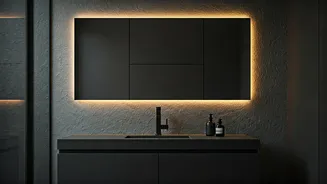
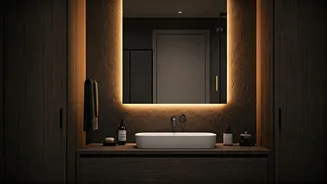
The flexibility of LED strips opens up a world of design possibilities that are impossible with traditional bulbs. Because they are thin and often come with an adhesive backing, they can be installed almost anywhere. [6, 8] Popular placements include: under kitchen cabinets for brilliant task lighting, behind a television to reduce eye strain, inside wardrobes for better visibility, along the underside of a bed frame for a floating effect, and tucked into ceiling coves for a soft, room-filling glow. [7, 11, 12, 24] These hidden sources of light add depth and highlight your home’s best features without cluttering your design. [4, 13]
Tips for Getting Started
Making the switch is a straightforward DIY project for many. Most LED strips can be cut to a specific length at designated markings and come with a simple peel-and-stick adhesive. [8] Before you buy, measure the area you plan to light. [16] For kitchens and bathrooms, ensure you select waterproof strips (rated IP65 or higher) to protect against moisture. [30] Many options are also dimmable or compatible with smart home systems, allowing you to control the brightness and mood with a remote or your voice. [7]