



France conjures images of rustic vineyards and chic city breaks. Yet, the reality of its most famous locations can be a shock of crowds and high prices. For a truly memorable trip, seasoned travellers suggest looking beyond the postcard places.
The Reality of Paris's Biggest Attractions
Paris is not
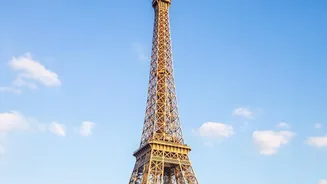
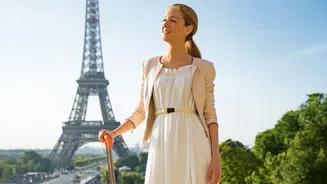
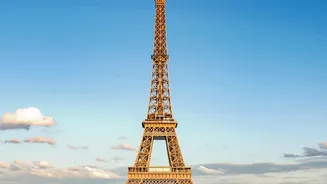
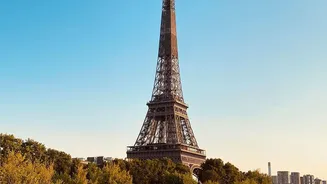
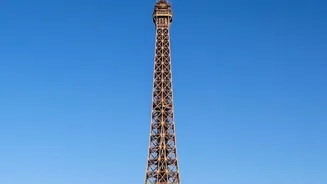
overrated, but ticking off its biggest attractions can be. The experience of seeing the Mona Lisa often involves peering over a sea of phones, and the queues for the Eiffel Tower can consume a precious afternoon. Many travellers find the sheer scale of the Louvre overwhelming, leading to a rushed tour rather than genuine appreciation. The pressure to see these icons means you're sharing your 'once-in-a-lifetime' moment with thousands of others, which can dilute the magic. The city's transport can also be unpleasantly packed during rush hour.
The Better Way to See Paris
Instead of joining the longest queues, seek out Paris's quieter charms. For art, visit the Musée de l'Orangerie to see Monet's water lilies in a purpose-built, serene setting, or explore the sculpture garden at the Musée Rodin. Swap the view from the Eiffel Tower for the one from the quieter Parc de Belleville, a local favourite. To escape the crowds, explore specific neighbourhoods like the Canal Saint-Martin or the historic Le Marais, filled with independent shops and cafes. Visiting major museums during late-night openings, such as the Louvre on a Friday evening, can also offer a calmer experience.
Mont Saint-Michel: Fairytale vs. Reality
The distant silhouette of Mont Saint-Michel, a fortified abbey on a tidal island, is undeniably magical. Up close, however, the experience can be a different story. During peak season, the single narrow street leading up to the abbey becomes incredibly congested. The village itself has been described by many as one long, overpriced souvenir shop, with restaurants that fail to impress. With up to 36,000 visitors on a single day, the tiny island struggles under the weight of its own popularity, an issue many describe as over-tourism.
Where to Find Medieval Magic Instead
If you crave the charm of a medieval French town without the overwhelming crowds, France has countless alternatives. Consider the fortified city of Carcassonne in the south, a UNESCO World Heritage site with extensive ramparts to explore. Rocamadour, a sacred village built into the side of a cliff in the Lot department, offers a similarly dramatic setting. For a seaside feel with historic architecture, try Étretat in Normandy, known for its stunning white cliffs and natural arches. These destinations offer a more authentic and peaceful glimpse into France's rich history.
The French Riviera's Summer Squeeze
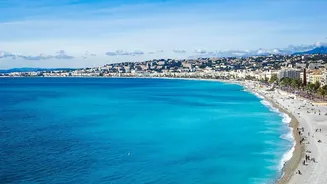
The Côte d'Azur in July and August is synonymous with glamour, but also with gridlocked traffic, packed beaches, and eye-watering prices. From Saint-Tropez to Nice, the cost of a simple cocktail can be startling, and public beaches are often crowded elbow-to-elbow. While beautiful, the experience can feel less like a relaxing holiday and more like a competition for space and resources. Even a city like Marseille, a bustling port, can feel overwhelming and lack the idyllic beach experience many travellers seek.
Try France's Other Coastlines
For a more relaxed coastal holiday, consider France's Atlantic coast. The shoreline south of the Gironde estuary, known as the Aquitaine coast, boasts some of Europe's longest and widest sandy beaches, backed by fragrant pine forests. Even in peak summer, the sheer size of these beaches means you can always find a quiet spot. Places like Biarritz offer a chic surf scene, while the islands of Île de Ré and Oléron provide charming villages and cycling paths. The climate is still warm and sunny in summer, but the breeze from the open ocean offers a refreshing alternative to the Mediterranean heat.