

Beyond the Bland and Mass-Produced
For years, the blueprint for a modern Indian home seemed to follow a familiar script: clean lines, minimalist palettes, and furniture that looked like it came from the same global catalogue. But a growing number of homeowners are now rejecting this uniform
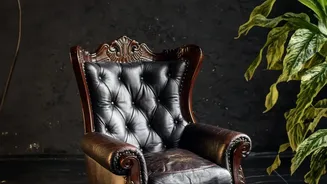
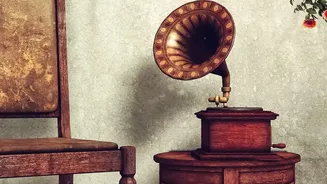
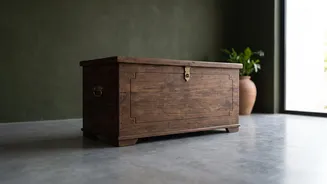
aesthetic. They are actively seeking an antidote to the impersonal feel of mass-produced furniture, which often prioritises function over form and affordability over artistry. This shift is driven by a desire for uniqueness. In a world of replicated trends, a vintage armchair or a weathered wooden chest offers something that a factory-fresh piece cannot: a distinct personality and a story that hasn't been told a million times before. The goal is no longer just to furnish a room, but to curate a space that feels personal and lived-in.
Every Piece Tells a Story
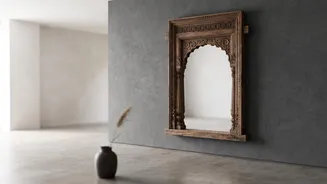
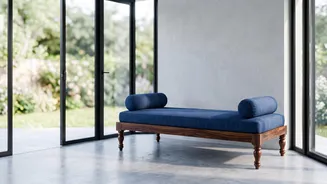
The appeal of a restored piece of furniture lies in its history. An old teak cabinet from a Chettinad home or a gracefully aged rosewood divan carries with it the echoes of a past life. These pieces add layers of texture and narrative to a home, turning functional items into conversation starters. Homeowners are finding that integrating these items allows them to create spaces that reflect not just their personal style, but also a connection to a larger cultural and historical timeline. This 'Granny Chic 2.0' trend is not about creating a museum; it's about artfully blending the old with the new. A hand-carved console can sit elegantly next to a modern sofa, each piece enhancing the other and contributing to an environment rich with warmth and individuality.
The Sustainable and Conscious Choice
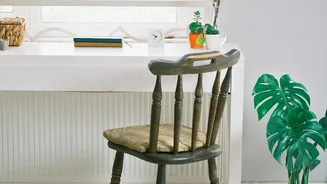
This trend is also deeply connected to a growing consciousness around sustainability. The 'fast furniture' culture, with its reliance on disposable items, is losing its appeal as consumers become more aware of their environmental footprint. Choosing vintage or upcycled furniture is an inherently eco-friendly act. It diverts items from landfills, reduces the demand for new raw materials like freshly cut timber, and conserves the energy required for new manufacturing. Brands and artisans across India are responding to this by specializing in upcycled and reclaimed wood furniture, turning old doors, window frames, and discarded timber into beautiful, functional new pieces. This approach aligns with a traditional Indian ethos of resourcefulness and respect for materials, making it a natural fit for the modern home.
A Celebration of Heritage and Craft
Opting for restored furniture is also a way of celebrating and preserving India's rich legacy of craftsmanship. Many older pieces showcase intricate carving, inlay work, and joinery techniques that are rare and costly in contemporary furniture. These items are often made from high-quality solid woods like teak, sheesham, and rosewood, known for their durability and beautiful grain. By bringing these pieces into their homes, owners are not just acquiring furniture; they are becoming custodians of a craft. This renewed appreciation supports local artisans and small workshops that specialize in restoration, ensuring that traditional skills are not lost to mass production. It’s a vote for quality that stands the test of time over fleeting trends.
The Thrill of the Hunt
Part of the joy of this trend is the process of discovery. Finding the perfect piece can be an adventure, whether it's uncovering a hidden gem in a family attic, haggling in a bustling city market like Delhi's Amar Colony, or stumbling upon a unique find in an online antique store. Unlike the predictable experience of a big-box retailer, the hunt for vintage furniture is personal and rewarding. Each find feels like a small victory. This journey—from finding a neglected piece to having it lovingly restored—adds to its value and the owner's connection to it. It transforms the act of furnishing a house from a simple transaction into a meaningful creative project.