




The Reusability Revolution Slashes Costs
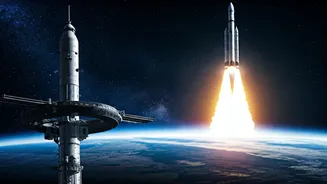
The single most significant transformation in spaceflight is the advent of reusable rockets, a technology pioneered and dominated by SpaceX. For decades, rockets were single-use, with hugely expensive components discarded after every launch. This is akin
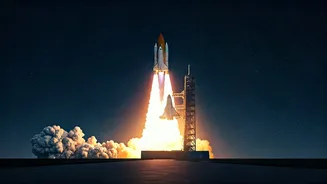
to flying a passenger jet from Mumbai to London and then throwing the plane away. SpaceX’s Falcon 9 rockets, however, can land their first-stage boosters back on Earth to be refurbished and flown again. This innovation has drastically reduced the cost of reaching space. NASA’s Space Shuttle cost about $54,500 per kilogram to launch payload to Low Earth Orbit (LEO); the Falcon 9 cut that to around $2,720 per kilogram, a cost reduction of about 20 times. This fundamental change in economics has made previously unthinkable projects commercially viable, from large satellite constellations to private astronaut missions.
New Taxis to Low Earth Orbit
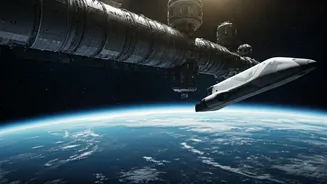
For nearly a decade after the Space Shuttle's retirement in 2011, NASA astronauts relied exclusively on Russian Soyuz rockets to reach the International Space Station (ISS). NASA’s Commercial Crew Program changed that by funding private companies to develop new spacecraft. SpaceX’s Crew Dragon is now the primary vehicle for ferrying astronauts to the ISS, having flown multiple operational missions since its first crewed flight in 2020. Boeing's Starliner is also in development to provide a second, redundant option for NASA. This public-private partnership not only restored America’s human launch capability but also catalyzed a new market. Companies like SpaceX now use their capsules for purely commercial missions, including space tourism and flying private astronauts for companies like Axiom Space.
Private Destinations in the Stars
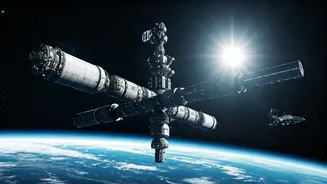
With the ISS scheduled for retirement around 2030, NASA is not planning to build a replacement. Instead, it will become a customer, buying services from commercially owned and operated space stations. Several companies are racing to build these orbital outposts. Axiom Space is a frontrunner, already organizing private missions to the ISS while building its own modules. The initial plan involves attaching its first module to the ISS before detaching to become a free-flying station, potentially as early as 2028. Other players like Vast, which is planning to launch its Haven-1 station in 2027, and Sierra Space, which is co-developing the Orbital Reef station with Blue Origin, are also key contenders in this emerging market for real estate in LEO.
Expanding Ambitions to the Moon and Beyond
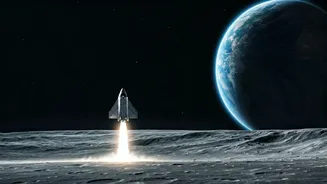
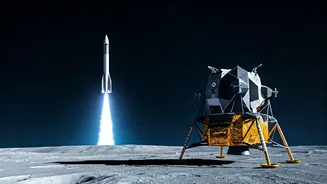
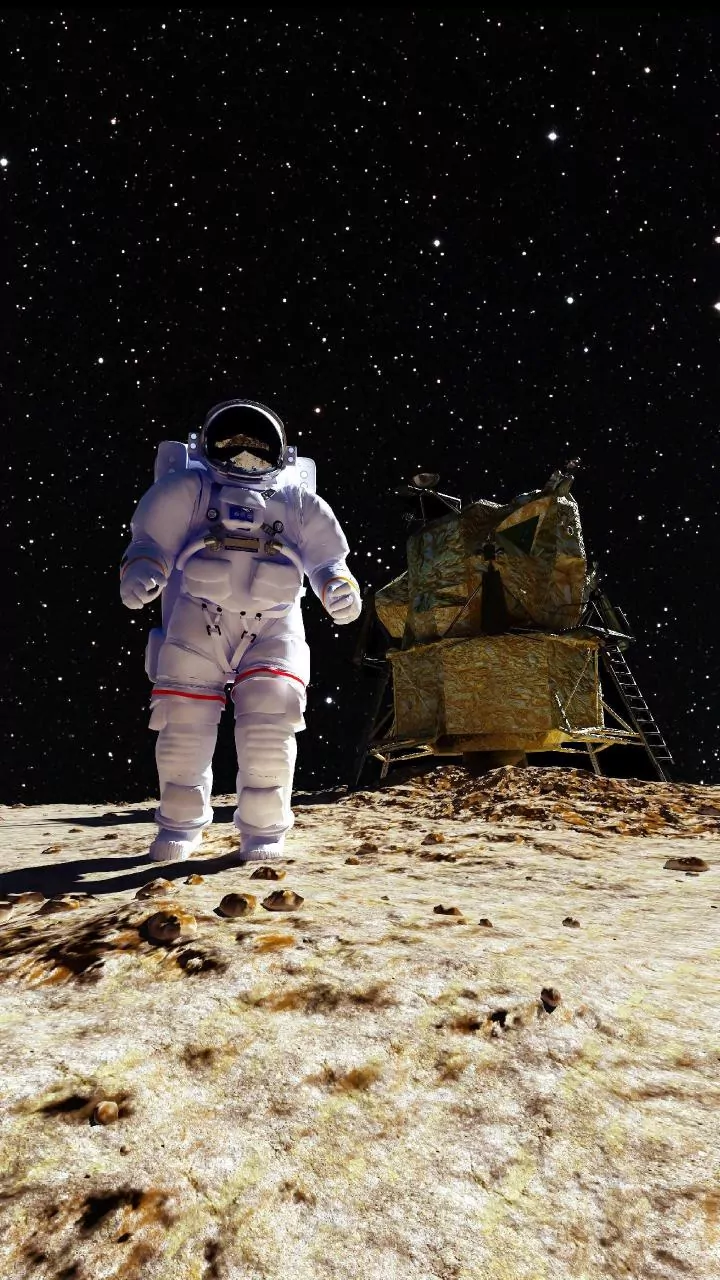
The commercial transformation isn't limited to Earth's orbit. Private companies are central to NASA's Artemis program, which aims to return humans to the Moon. Both SpaceX and Blue Origin are developing human landing systems to carry astronauts to the lunar surface. The competition is fierce, as success will likely secure a company's role in the burgeoning lunar economy. In a notable strategic shift in early 2026, SpaceX founder Elon Musk announced a pivot to prioritize building a self-sustaining city on the Moon, viewing it as a more achievable goal within the next decade compared to Mars. This commercial drive is accelerating timelines and pushing ambitions, transforming lunar exploration from a series of government-funded missions into a sustained, commercially-supported presence.