


Alternative Flours and Grains
During Navratri, regular grains like wheat and rice are avoided. Instead, a special category of flours and pseudo-grains takes center stage. Kuttu ka atta (buckwheat flour), singhare ka atta (water chestnut flour), and rajgira ka atta (amaranth flour) are staples
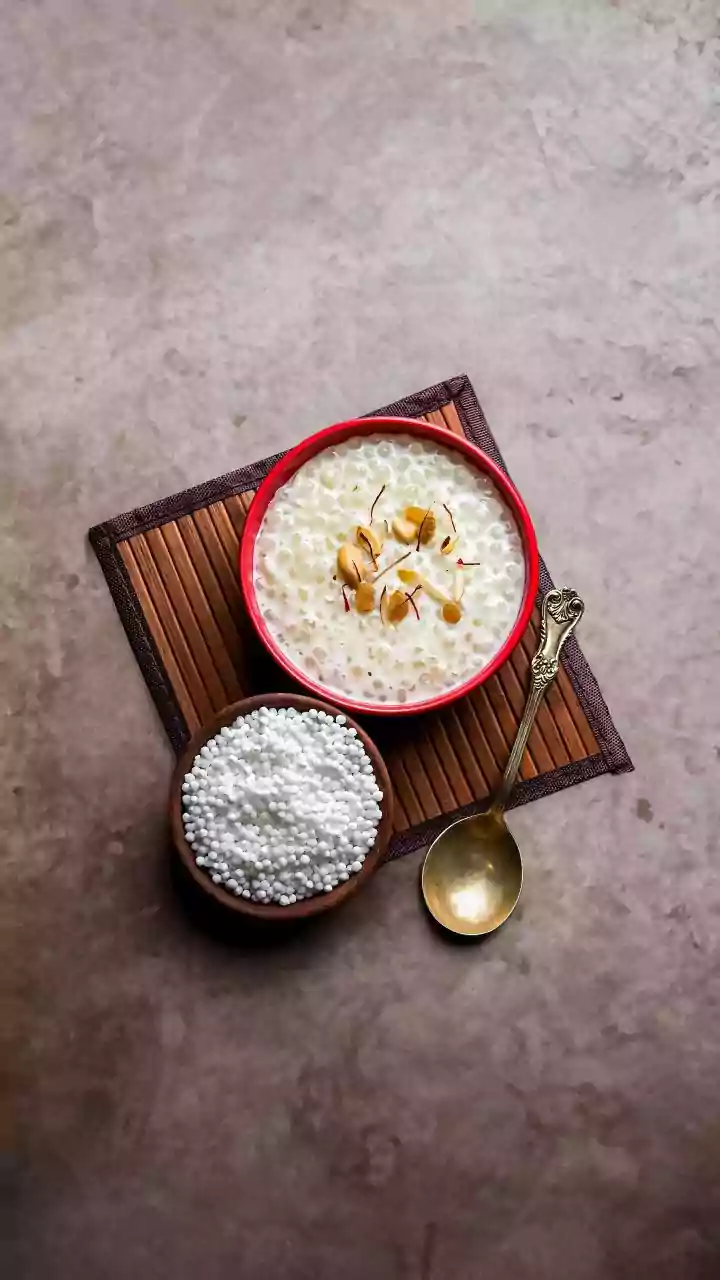
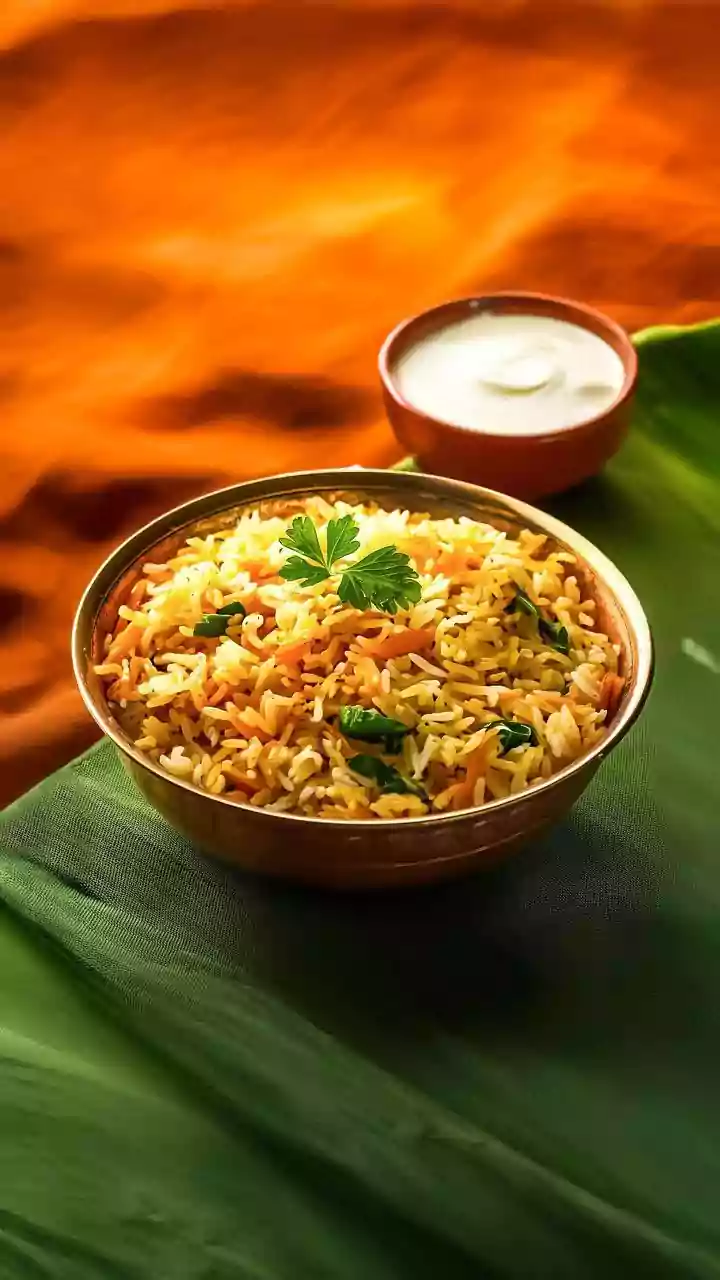
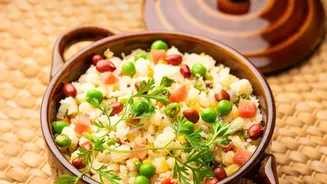
used to make everything from puris and rotis to cheelas (pancakes). Another key ingredient is samak ke chawal, or barnyard millet, which serves as a substitute for rice in dishes like khichdi and pulao. Sabudana (tapioca pearls) is also extremely popular, used to prepare beloved dishes like sabudana khichdi and crispy vadas.
Permitted Vegetables
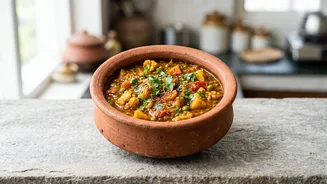
The list of vegetables allowed during the fast is specific. Root vegetables are prominent, with potatoes being the most versatile and widely used ingredient for curries, snacks, and stir-fries. Sweet potatoes (shakarkandi), arbi (colocasia), and yam (suran or jimikand) are also commonly consumed. Gourds like lauki (bottle gourd) and pumpkin (kaddu) are permitted and often used to make light curries or desserts. While practices can vary, tomatoes, cucumbers, and raw bananas are also frequently included in the fasting diet. However, many common vegetables, including onions and garlic, are strictly prohibited as they are considered 'tamasic' or stimulating.
Spices and Seasoning
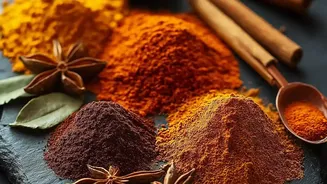
The spice box undergoes a significant change during Navratri. Regular table salt is replaced with sendha namak, or rock salt, which is considered a purer form of salt. The range of spices is also limited to those that are cooling and mild. Cumin (jeera), black peppercorns (kali mirch), green cardamom (elaichi), cloves (laung), and cinnamon (dalchini) are generally allowed. Spices that generate heat, such as turmeric (haldi), asafoetida (hing), mustard seeds, and garam masala, are typically avoided. For flavouring, fresh ginger, green chillies, and lemon juice are widely used.
Fruits, Nuts, and Dairy
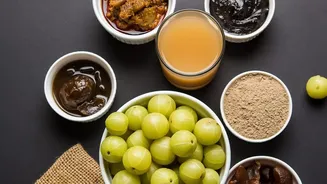
Fruits are a cornerstone of the Navratri fast, with no restrictions on what can be consumed. They provide essential nutrients and natural sugars for energy. Dairy products are also fully permitted and play a vital role in providing protein and calcium. Milk, yogurt (curd), paneer (cottage cheese), and ghee are used extensively in various preparations, from drinks like lassi to rich desserts and gravies. Nuts and dry fruits, including almonds, walnuts, cashews, and peanuts, are excellent sources of energy and are eaten as snacks or added to dishes for texture and richness.
Sweeteners and Fats
For sweetening dishes, refined sugar is often replaced with more natural options like jaggery or honey, although this can vary based on family traditions. Makhana, or fox nuts, are a popular fasting food, often roasted as a light snack or used to make a creamy kheer (pudding). When it comes to cooking fats, pure ghee is the most preferred medium for its sattvic properties. Some unrefined oils like groundnut (peanut) oil may also be used, while processed and refined oils are generally avoided to maintain the purity of the fast.