



Current Weather and Official Alerts
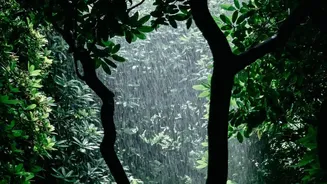
The India Meteorological Department (IMD) has forecast heavy to very heavy rainfall for several regions along the Western Ghats, including Kerala, coastal and south interior Karnataka, and parts of Tamil Nadu and Maharashtra. Recent alerts highlight the likelihood
of intense spells, gusty winds, and thunderstorms. For instance, on August 4, the IMD specifically warned of heavy showers in Kerala and Karnataka. Authorities have issued red and orange alerts in multiple districts prone to flooding and landslides, urging residents and travellers to exercise extreme caution. These conditions are expected to persist, with intermittent moderate to heavy rain likely over the next several days.
Identifying High-Risk Routes
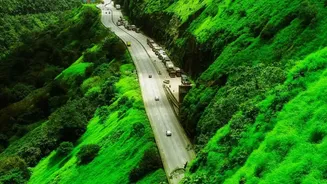
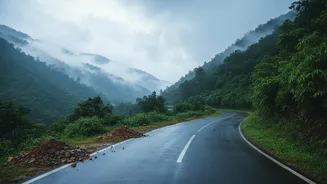
Certain ghat roads are notoriously vulnerable during heavy rains. Stretches like Charmadi and Shiradi Ghats in Karnataka are often susceptible to landslides and mudslips. Similarly, routes leading to popular hill stations such as Lonavala and Khandala in Maharashtra can experience significant disruptions, including waterlogging on the Mumbai-Pune Expressway. In Kerala, districts like Idukki, Wayanad, and Kozhikode are hotspots for landslides, with authorities often closing vulnerable roads as a precaution. The combination of steep slopes and saturated soil makes these areas particularly dangerous. It is critical to check local advisories before starting your journey, as even minor roads can become blocked by falling trees or rockslides.
Essential Vehicle Preparedness
Before venturing onto ghat roads in the monsoon, a thorough vehicle check is non-negotiable. Your tyres are your first line of defence; ensure they have adequate tread depth (at least 3mm) and are correctly inflated. Worn tyres can easily lose grip on wet surfaces. Brakes are equally crucial, as steep descents put them under immense strain. Have them checked and serviced if necessary. Also, confirm that your windscreen wipers are in excellent working condition and can clear heavy rain effectively. Finally, test all your lights—headlights, taillights, and fog lights—as visibility can drop to near-zero in a downpour.
Safe Driving Techniques for Ghats
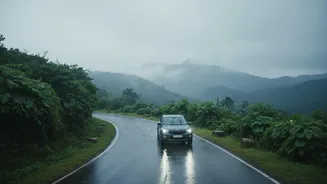
Driving in the ghats requires a completely different mindset. The most important rule is to reduce your speed significantly. Wet roads can increase your car's stopping distance by two to three times, so maintain a much larger gap from the vehicle ahead. Use lower gears when going downhill to let the engine control your speed and prevent brake overheating. When visibility is poor due to heavy rain or fog, always use your low-beam headlights. Using high beams will reflect light off the raindrops and worsen visibility. If you encounter a patch of standing water, slow down to avoid hydroplaning, where your tyres lose contact with the road. If you can't gauge the depth of a flooded road, do not attempt to cross it.
Your Monsoon Emergency Kit
Getting stranded is a real possibility, so a well-stocked emergency kit is essential. Pack extra food, drinking water, and any necessary medications. A powerful torch with extra batteries, a first-aid kit, and a fully charged power bank for your mobile phone are must-haves. Including waterproof jackets or ponchos can be useful if you need to step out of your vehicle. It is also wise to keep physical copies of emergency contact numbers and have offline maps downloaded on your phone, as mobile network coverage can be unreliable in remote ghat sections during bad weather.
If You Get Stuck
If you encounter a landslide or find the road ahead blocked, do not take unnecessary risks. The safest course of action is often to stay in your vehicle. Assess the situation and if you are in a potentially hazardous spot, try to move to a safer location if possible. Inform your family or friends of your situation and location. Contact local emergency services or highway patrols to report the blockage and request assistance. If the rain is extremely heavy and visibility is almost zero, it is safer to pull over to a secure spot away from steep slopes or trees and wait for conditions to improve.