



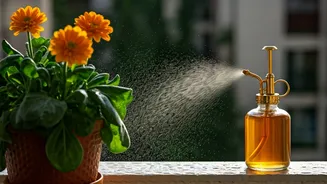


The Power in the Powder
Before you start sprinkling, it's helpful to understand what makes wood ash so beneficial. At its core, wood ash is a rich source of potassium and calcium carbonate. Potassium is a vital nutrient that strengthens plants, helping them resist diseases,
withstand temperature changes, and produce more vibrant flowers and fruits. Think of it as your plant's immune system booster. Calcium carbonate, meanwhile, acts like a liming agent, which means it can raise the pH of your soil, making it less acidic. For certain plants, this change creates a much healthier growing environment. Beyond nutrients, the fine, abrasive texture of wood ash is a formidable deterrent for many soft-bodied pests that plague balcony gardens, such as slugs, snails, and some aphids.
Understanding Soil pH Balance
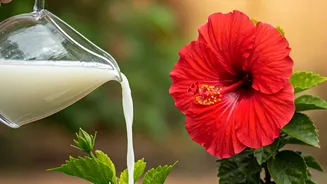
The most significant effect of wood ash is its alkalinity. Soil pH is a scale from 0 to 14 that measures acidity or alkalinity. A pH of 7 is neutral, below 7 is acidic, and above 7 is alkaline. Most vegetables and flowering plants are happiest in a slightly acidic to neutral range (6.0 to 7.0). In urban areas, potting soil in containers can become acidic over time due to watering and fertiliser use. Adding wood ash counteracts this, raising the pH. This is fantastic for plants that prefer 'sweet' or alkaline soil, such as lavender, spinach, beans, and marigolds. However, it's crucial to know that acid-loving plants like hibiscus, ferns, roses, and ixora will suffer if the soil becomes too alkaline. Always know your plant's preference before applying ash.
How to Prepare and Apply Ash
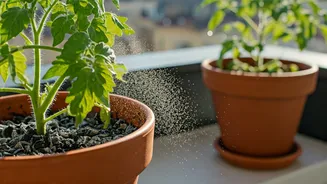
First, ensure your ash comes only from untreated, unpainted hardwood or firewood. Never use ash from charcoal briquettes, cardboard, or treated lumber, as it can contain harmful chemicals. Once you have a good source, sift the ash through a fine sieve to remove any large charcoal chunks or debris. For a diluted solution, as the headline suggests, mix a small amount of ash with water. A good starting ratio is about one tablespoon of sifted ash per litre of water. Stir well and let it sit for a few hours before using it to water your plants. This 'ash tea' delivers nutrients directly to the roots. Alternatively, for pest control, you can lightly dust the dry, sifted ash in a thin ring around the base of your plants. This creates a physical barrier that soft-bodied pests are reluctant to cross.
Best Plants for Ash Treatment
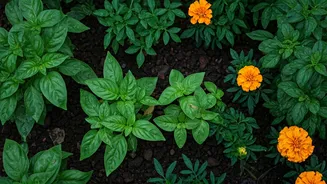
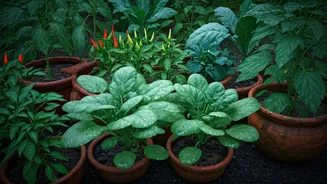
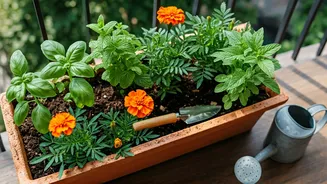
Many common Indian balcony plants respond wonderfully to a bit of wood ash. Vegetables like tomatoes, spinach (palak), beans, and okra appreciate the potassium boost and alkaline conditions. Flowering plants such as marigolds (genda), chrysanthemums, and bougainvillaea also benefit, often producing stronger stems and more prolific blooms. Traditional plants like Tulsi (Holy Basil) can also thrive with a careful, occasional application. The key is moderation. Start with a very light application and observe how the plant responds over a few weeks. Remember, plants that prefer acidic soil—like many varieties of hibiscus, gardenias, and most ferns—should be kept far away from any wood ash treatment.
Key Mistakes to Avoid
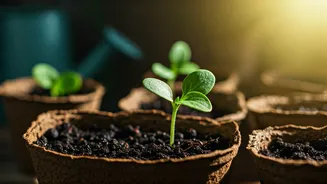
Wood ash is potent, and a little goes a long way. The most common mistake is using too much, too often. Over-application can raise soil pH to dangerously high levels, 'locking out' other essential nutrients and effectively starving your plants. As a rule of thumb, a light application once or twice a year is more than enough for most container plants. Another pitfall is applying it to seedlings or very young plants, which are too delicate to handle the sudden shift in soil chemistry. Finally, avoid creating a thick, wet paste of ash on the soil surface, as it can harden into a crust that prevents water and air from reaching the roots. Always apply it lightly and incorporate it gently into the top layer of soil or use the diluted watering method.