


More Than Just Chai
When we think of Indian tea, the image that often comes to mind is a rich, milky, spiced chai. Yet, across the subcontinent, and especially in the high-altitude regions of the Himalayas, beverage traditions are far more diverse. For centuries, communities
in Ladakh, Uttarakhand, Himachal Pradesh, and Sikkim have relied on the local flora to create warming, nourishing, and medicinal drinks. These herbal infusions, or tisanes, were brewed from flowers, berries, leaves, and roots long before dairy became a staple in every cup. This dairy-free culture was born from necessity and an intimate knowledge of the surrounding environment, resulting in a sophisticated tradition of wellness that is now being rediscovered.
Seabuckthorn: The Himalayan Gold
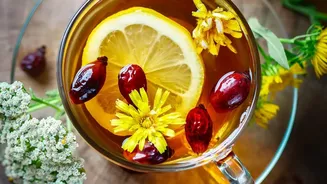
In the stark, beautiful landscapes of Ladakh, a vibrant orange berry called Seabuckthorn thrives against all odds. Locally known as 'Leh Berry' or 'Wonder Berry', this fruit is a nutritional powerhouse, containing over 190 bioactive compounds, including rare Omega-7 fatty acids and more than 10 times the Vitamin C of an orange. For generations, Ladakhis have brewed tea from its dried berries and leaves to boost immunity, aid digestion, and gain energy in the harsh climate. The resulting brew is a tangy, refreshing drink with a brilliant colour. Its modern revival is not just about health; it supports local communities and sustainable farming in the fragile Himalayan ecosystem.
Buransh: The Crimson Rhododendron Brew
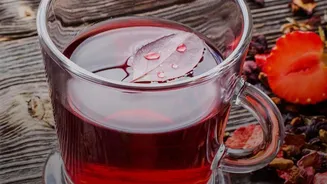
Come spring, the hills of Uttarakhand and Himachal Pradesh are set ablaze with the fiery red blossoms of the Rhododendron tree, known locally as 'Buransh'. More than just a beautiful sight, these flowers are harvested and sun-dried to create a delicate, floral tea. Traditionally consumed to aid digestion and reduce inflammation, Buransh tea has a striking crimson hue and a slightly sweet, tangy flavour. Often brewed simply with hot water, and sometimes enhanced with a touch of basil or mint, this sacred flower produces a caffeine-free infusion that purifies and soothes. Its revival is bringing a piece of Himalayan spring to the rest of the world.
Jimbu: The Savory Mountain Herb
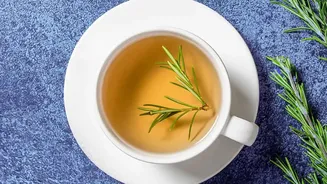
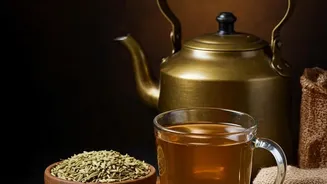
In parts of Nepal and the Kumaon region of Uttarakhand, a unique herb from the onion family called Jimbu (or Faran) is a culinary staple. While commonly used to temper dals and flavour pickles, Jimbu is also brewed into a warming, brothy infusion. With a flavour profile somewhere between onion, garlic, and chives, this is not your typical floral tea. The dried herb is often lightly fried in ghee to release its aroma before being added to dishes, but for a simple brew, it is steeped in hot water with salt and perhaps turmeric. This savory drink is a traditional remedy for coughs and colds, showcasing how Himalayan brews often blur the line between food and medicine.
Nettle Tea: The Foraged Healer
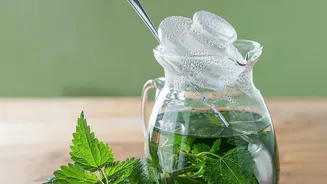
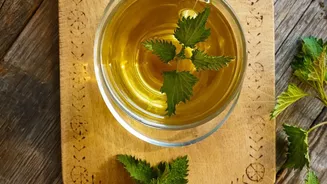
Stinging nettle, known as 'Bichhu Buti' or 'Shisnu', might seem like an unlikely candidate for a soothing tea. However, once the leaves are dried or cooked, their sting disappears, leaving behind a powerhouse of nutrients. Foraged from Himalayan hillsides, nettle has long been used in local cuisine and as a medicinal plant. Brewed as a tea, it yields a smooth, earthy, and deeply green infusion that is rich in iron, calcium, and vitamins. This humble 'weed' is a perfect example of a forgotten brew that relies entirely on the wild bounty of the mountains, offering a grounding and restorative experience that is naturally dairy-free and caffeine-free.