

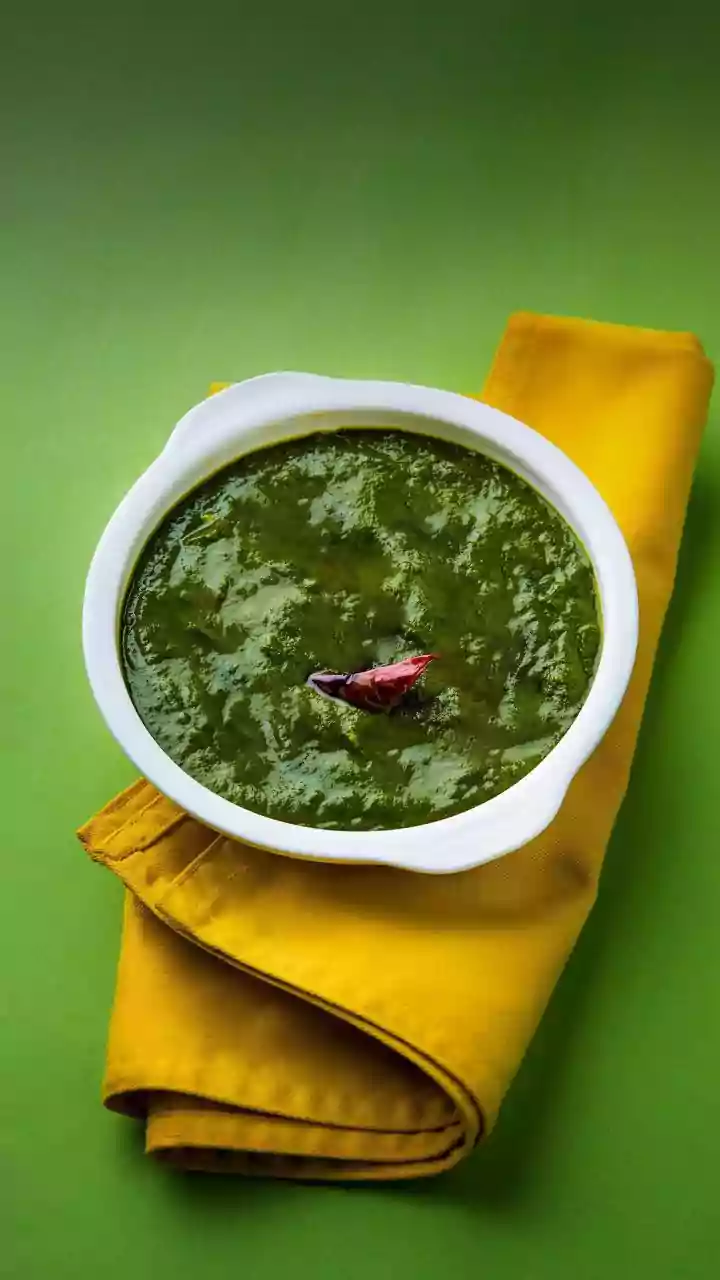
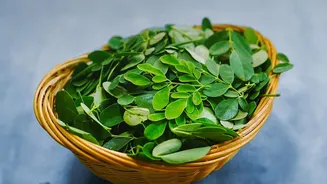
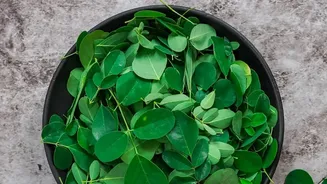
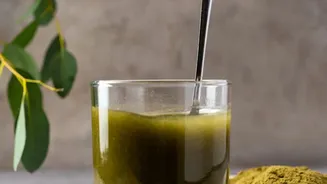
Hailed as a 'miracle tree', moringa has moved from traditional kitchens to global superfood status. But what’s the reality behind the hype? Here is a balanced look at its nutritional claims, potential risks, and simple ways to use it in your meals.
What Exactly Is Moringa?
Moringa,
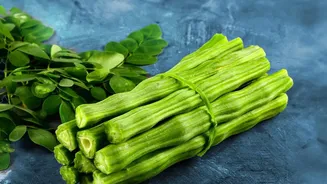
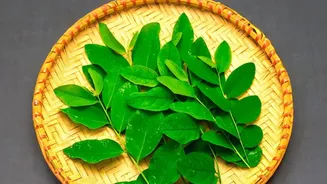
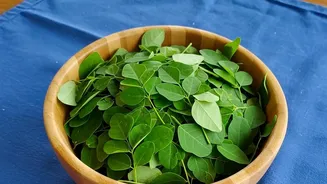
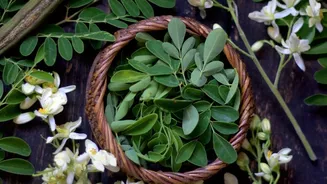
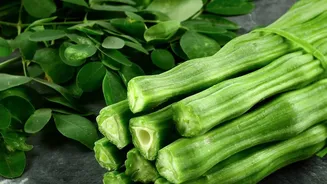
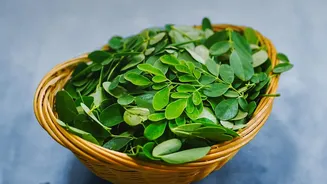
or Moringa oleifera, is a tree native to parts of Asia and Africa, long known in India as the 'drumstick tree' or 'sahjan'. For generations, its leaves, pods, and flowers have been staples in regional cuisines, from Kerala's moringa-laced sambar to Bengal's shukto. While it might be trending now as a green powder in wellness smoothies, its roots are firmly planted in traditional home cooking and Ayurvedic practices. The leaves are particularly prized, celebrated for being a source of vitamins, minerals, and protein. It's this nutritional profile that has earned it the 'superfood' label.
The Nutritional Promise
Moringa leaves are genuinely nutritious. They are packed with antioxidants, which help protect our cells from damage. Scientific interest has focused on a few key areas. Some small human trials suggest moringa may help with blood sugar control after meals and have a modest effect on cholesterol levels. It also contains anti-inflammatory compounds like isothiocyanates. However, it's crucial to understand that much of the research is still in its early stages, with many studies being small or conducted on animals. Claims about significant weight loss or its ability to cure diseases are not supported by strong scientific evidence.
A Necessary Dose of Caution
A balanced view means acknowledging the risks. While the leaves are generally safe for most people when eaten as food, concentrated powders and supplements require more care. The most common side effects are digestive, such as nausea or diarrhea, especially when you take too much too soon. A sensible approach is to start with a small amount, like half a teaspoon of powder daily, and see how your body responds. More importantly, moringa can interact with certain medications. Because it may lower blood sugar and blood pressure, you should consult a doctor before taking it if you are on medication for diabetes or hypertension. Pregnant women should avoid it, as parts of the plant, particularly the root and bark, may stimulate uterine contractions.
Powder vs. Fresh Leaves
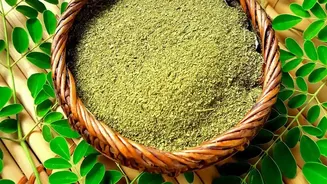
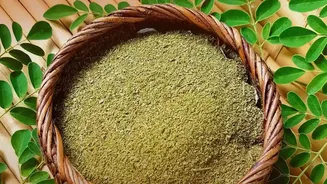
In an Indian kitchen, you have two great options: fresh moringa leaves and dried powder. Fresh leaves, cooked like spinach, offer a fuller nutritional package, including a higher amount of Vitamin C, which is largely lost during the drying process. However, moringa powder is far more concentrated in minerals, protein, and other vitamins by weight. A teaspoon of powder packs in more leaf material than a handful of fresh leaves. The powder is also incredibly convenient and has a longer shelf life, making it easy to use daily. The choice isn't about which is 'better,' but what suits your needs. For traditional recipes and maximum Vitamin C, use fresh leaves. For a quick, concentrated nutrient boost in smoothies or dals, the powder is perfect.
Simple Ways to Use Moringa Daily
Integrating moringa into your Indian diet is surprisingly easy and doesn't have to alter the taste of your favourite dishes. The key is to add it towards the end of cooking to preserve nutrients. Here are some of the easiest methods:
- In Roti or Dosa: This is one of the best ways to hide its slightly bitter taste. Simply mix half to one teaspoon of moringa powder into your atta or dosa/adai batter before cooking.
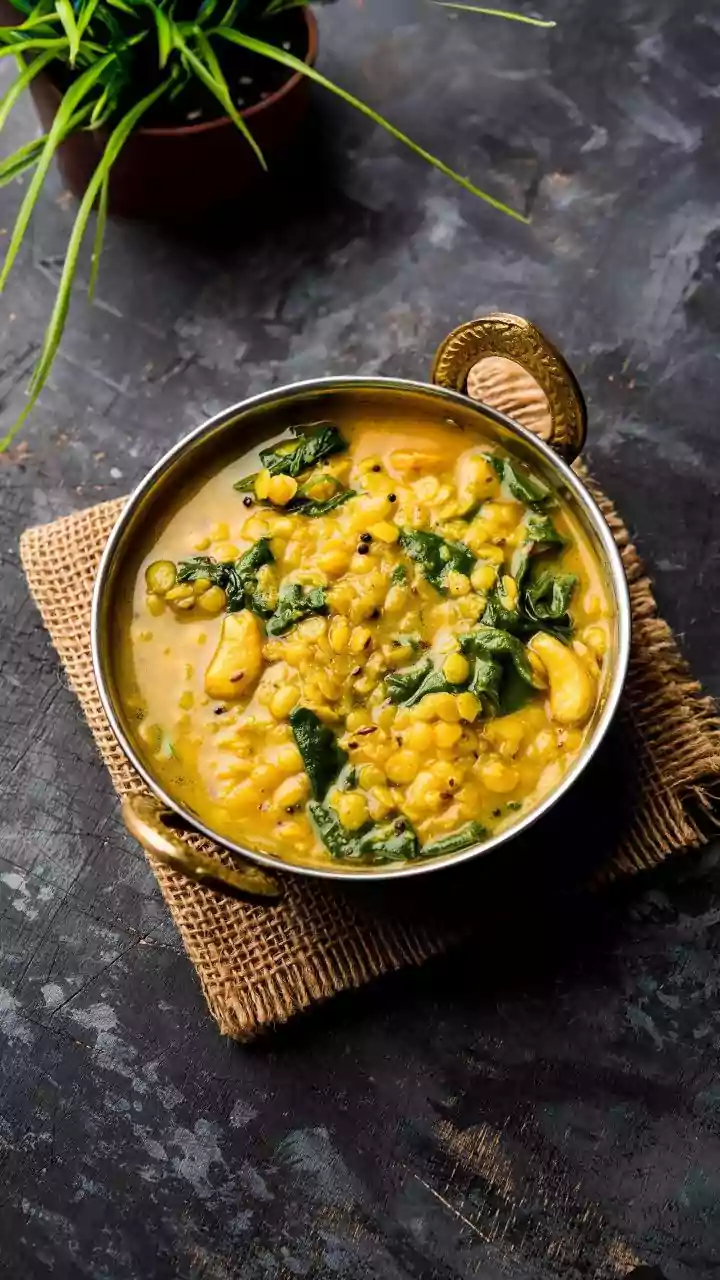
- In Dals and Curries: Stir a small amount into your dal, sambar, or sabzi just before you turn off the heat. It blends seamlessly into the flavours of tomato pappu, avial, or any lentil dish.
- In Chutneys and Raitas: Blend moringa powder into your green chutney along with coriander and mint, or whisk it into a bowl of curd to make a nutritious raita.
- With Breakfast: Stir a spoonful into your poha, upma, or morning smoothie. You can even make a simple 'kadha' or moringa tea with ginger and lemon.
- As a Stir_fry (Poriyal): If you have fresh leaves, a simple stir_fry with mustard seeds, onions, and grated coconut is a classic South Indian side dish.