





What Exactly Is Dietary Fibre?
Before we dive into the kitchen, let's quickly understand what we're talking about. Dietary fibre is a type of carbohydrate that our body can't digest. [1, 7] It comes in two forms: soluble, which dissolves in water to form a gel-like substance, and insoluble,
which adds bulk to stool. [7, 9, 10] Both are crucial. A high-fibre diet aids digestion, helps manage blood sugar levels, lowers cholesterol, and contributes to a feeling of fullness, which can help with weight management. [5, 8, 10] While many modern diets are notoriously low in fibre, traditional Indian meals are often packed with it. [1, 4]
The Foundation: Whole Grains and Millets
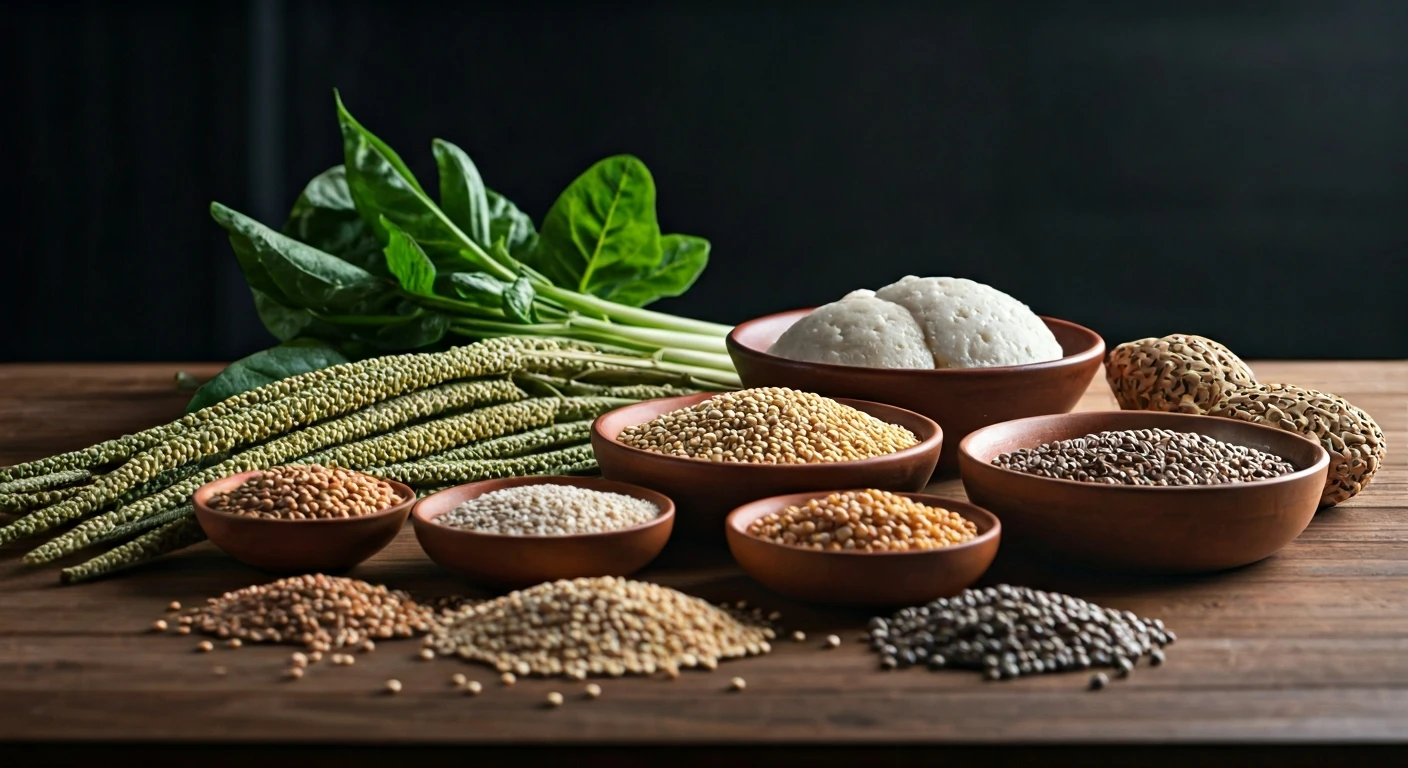
The cornerstone of many Indian meals is a whole grain. Think of the humble roti or chapati, made from whole wheat flour (atta). [2, 15] A single cup of whole wheat flour contains a significant amount of fibre. [15] Unlike refined white flour (maida), whole wheat retains its bran and germ, which are loaded with nutrients and fibre. [4, 17] Beyond wheat, traditional Indian cooking celebrates a variety of millets like jowar (sorghum), bajra (pearl millet), and ragi (finger millet). [1, 4, 6] These ancient grains are naturally gluten-free and boast an impressive fibre content, contributing to better blood sugar control and satiety. [4, 20] Swapping white rice for brown rice or incorporating these millets is a simple way to boost fibre intake. [1, 2]
The Heart of the Meal: Lentils and Legumes
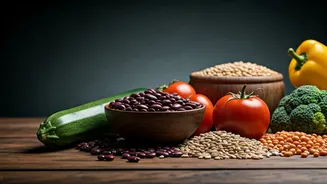
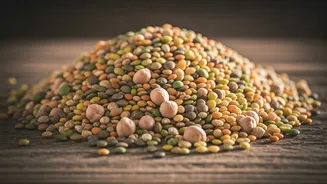
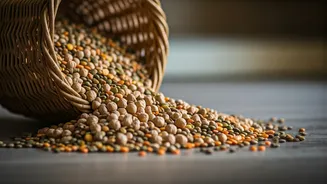
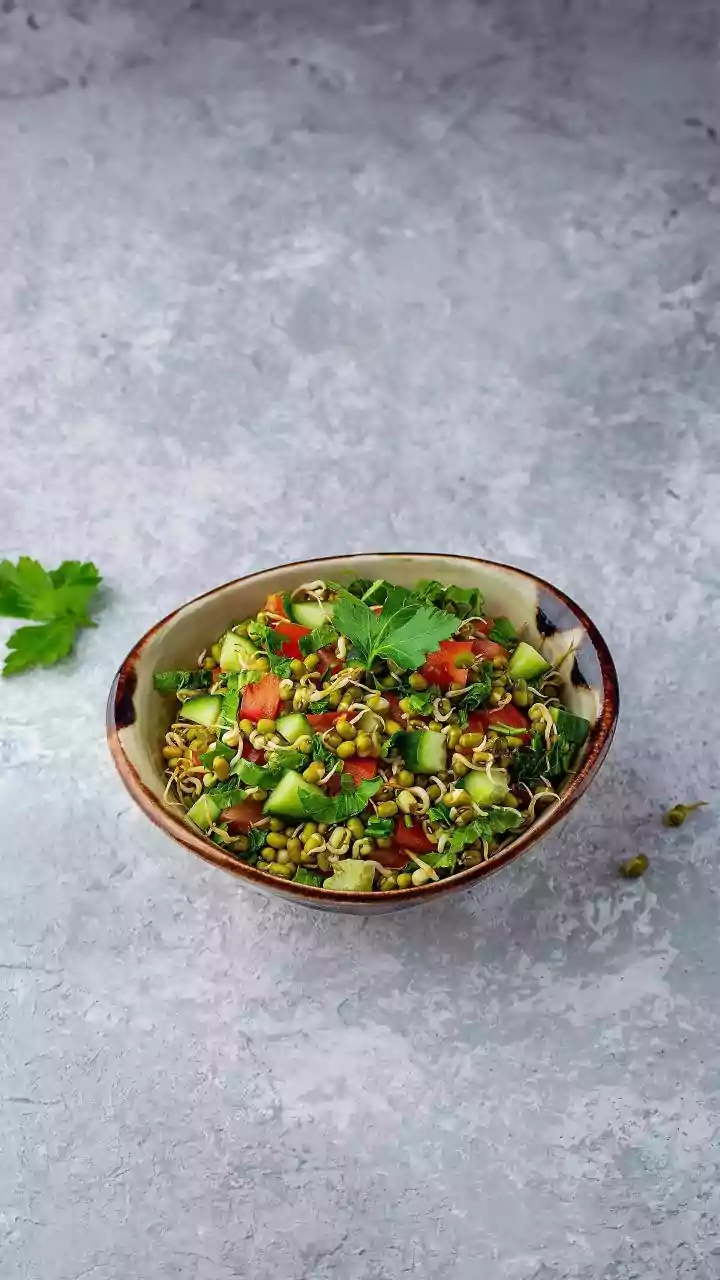
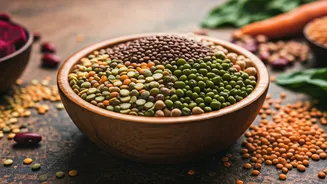
No Indian meal feels complete without a bowl of dal. Lentils and legumes like moong, masoor, chana (chickpeas), and rajma (kidney beans) are fibre powerhouses. [1, 3, 15] A cup of cooked lentils can provide a substantial portion of your daily recommended fibre intake. [15] For instance, a serving of rajma or chana masala is not just a delicious and protein-rich dish; it's also incredibly high in fibre. [4, 15] This combination of protein and fibre is particularly effective at keeping you full and satisfied for longer. [20, 22] The classic Indian pairing of dal with rice or roti also creates a complete protein, providing all the essential amino acids your body needs. [20, 22]
The Colour and Crunch: Vegetables and Spices
Vegetables are not just a side dish in Indian cuisine; they are integral to the main course. A typical meal often includes a 'sabzi' (vegetable dish), featuring fibre-rich options like okra (bhindi), spinach (palak), cauliflower (gobi), and bottle gourd (lauki). [1, 2, 3] Fruits like guava, apples, and bananas are also common and contribute to daily fibre goals. [1, 3, 6] Furthermore, Indian spices do more than just add flavour. Many, like cumin (jeera), turmeric (haldi), and asafoetida (hing), have been used in Ayurveda for centuries to aid digestion. [11, 14, 16] They stimulate digestive enzymes and can help reduce issues like bloating, making a high-fibre meal easier for the body to process. [12, 13, 20]
A Wisdom Worth Preserving
The traditional Indian thali, with its small bowls of dal, sabzi, roti, and a portion of rice, is a masterclass in balanced nutrition. [17] It naturally incorporates diverse sources of fibre from grains, legumes, and vegetables. [1, 17] However, modern urban diets are increasingly seeing a shift towards processed foods, polished grains, and refined flours, leading to a decline in fibre consumption. [1, 4] This has been linked to a rise in digestive issues and lifestyle diseases. [1] The inherent wisdom of the Indian kitchen offers a powerful and time-tested template for healthy eating. By understanding and embracing these traditional food principles, we can easily meet our fibre needs without resorting to expensive supplements or complicated diet plans. [1, 9]