





Swap with Jowar (Sorghum)
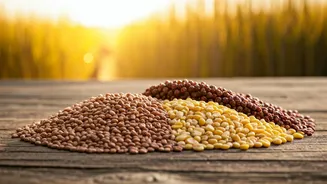
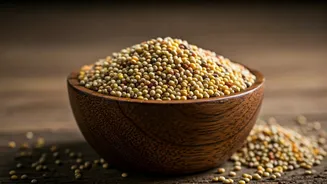
Jowar, or sorghum, is a fantastic gluten-free alternative that's particularly rich in protein and fibre. A 100-gram serving packs about 11 grams of protein and a significant amount of dietary fibre, which aids in digestion and promotes a feeling of fullness,
helping with weight management. Its high fibre content also helps in lowering LDL (bad) cholesterol. Instead of reaching for rice, consider making rotis or bhakri from jowar flour to accompany your curries. You can also cook whole jowar grains just like rice, though they may require pre-soaking, and use them as a base for pulao or a hearty grain salad.
Swap with Bajra (Pearl Millet)
Bajra is a dense, nutrient-packed millet known for its warming properties, making it a popular choice in the winter months. It's a great source of magnesium, which is crucial for heart health, and iron, which helps combat fatigue. Compared to white rice, bajra offers significantly more protein and fibre. Its slightly nutty flavour works beautifully in traditional dishes like bajra khichdi, where it can easily replace rice to create a more nutritious, comforting meal. You can also use bajra flour to make flatbreads (bhakri) that are both delicious and filling, offering a more complex carbohydrate than simple white rice.
Swap with Ragi (Finger Millet)
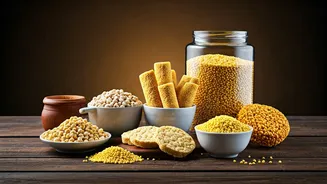
When it comes to calcium, ragi is a true champion among grains, boasting many times the amount found in rice. This makes it excellent for bone health. Ragi is also rich in fibre and antioxidants. It has a low glycemic index, meaning it releases sugar into the bloodstream slowly, which is beneficial for managing blood sugar levels. Don’t limit ragi to just porridge; it's incredibly versatile. You can make ragi dosa, which is a fantastic substitute for traditional rice-based dosa, or use ragi flour in idlis, rotis, and even healthy baked goods like cookies and cakes. Its earthy flavour adds a unique depth to any dish.
Swap with Kangni (Foxtail Millet)
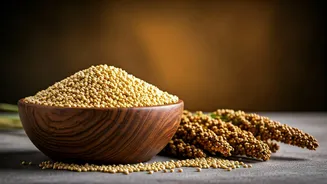
If you're looking for a millet that closely mimics the texture of rice, foxtail millet is your best bet. It is light, easy to digest, and cooks up into fluffy, separate grains, making it a perfect one-to-one substitute. Nutritionally, it far surpasses white rice. It is rich in protein, fibre, and has a low glycemic index (GI) of around 50, compared to white rice's high GI of over 70. This makes it an excellent choice for diabetics or anyone looking to maintain stable energy levels. Use it to make anything you'd normally make with rice: steamed kangni to go with dal, a flavourful vegetable pulao, or a creamy lemon 'rice'.
Swap with Kutki (Little Millet)
As one of the smallest millets, Kutki is quick to cook and has a very mild flavour, making it an easy grain to incorporate into your diet. It's a good source of B-vitamins, iron, and antioxidants. Like other millets, it's high in fibre and naturally gluten-free. Its light texture makes it ideal for dishes like upma, where it can replace semolina or rice rava. You can also cook it simply as a rice replacement, and it works wonderfully in khichdi or even as a breakfast porridge. Because it's so easy on the digestive system, it's a great introductory millet for those new to these ancient grains.