
A Health-Conscious Twist on Prasad
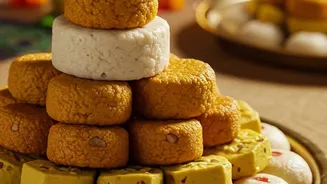
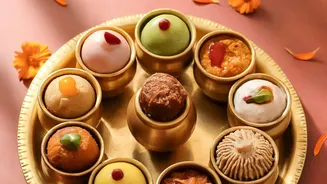
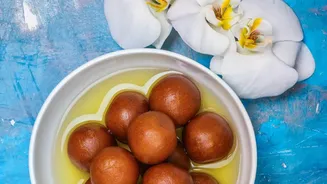
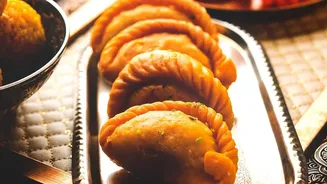
Janmashtami, celebrating the birth of Lord Krishna, is a festival steeped in tradition, and food plays a central role in the devotion. Prasad, the blessed food offering, often includes decadent sweets like panjiri, pedas, and kheer. Yet, as wellness and mindful
eating become priorities across India, a new trend is emerging. Younger generations are not abandoning these cherished recipes but are thoughtfully reinventing them. This movement seeks to balance the soul-satisfying sweetness of tradition with modern health sensibilities, making the festival's culinary delights more accessible to everyone, including those with dietary concerns like diabetes. The goal isn't to sacrifice flavour but to enhance it with ingredients that nourish the body while honouring the spirit of the celebration.
The New Guard of Festive Cooking
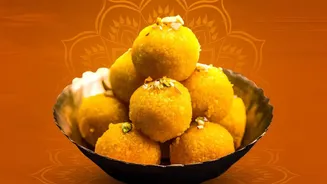
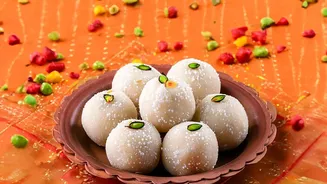
Driving this change are informal youth collectives and community groups. From neighbourhood friends in urban centres to student groups in towns, these young people are gathering to share and perfect updated recipes. Their motivation is twofold: a personal commitment to a healthier lifestyle and a desire to see their traditions thrive in the modern world. They believe that for customs to survive, they must adapt. By making festive food that aligns with contemporary values, they ensure that no one feels left out. These collectives often use social media to share their creations, posting recipes for low-glycemic coconut laddoos or sugar-free shrikhand, inspiring a wider community to join in.
Reinventing the Classics
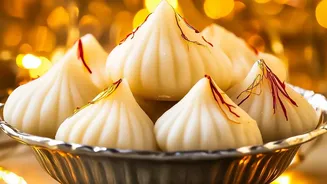
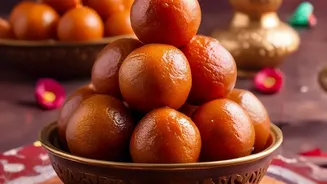
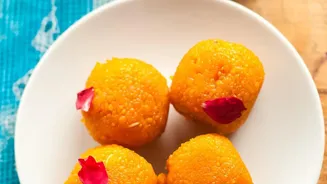
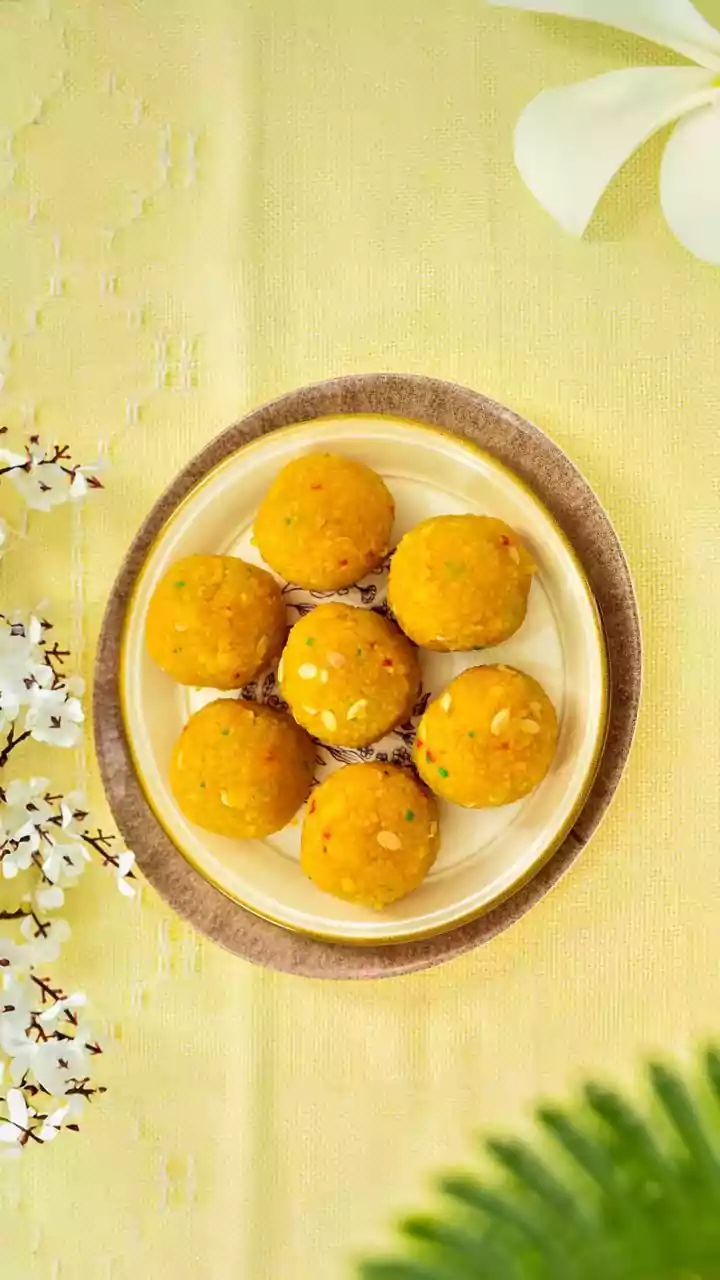
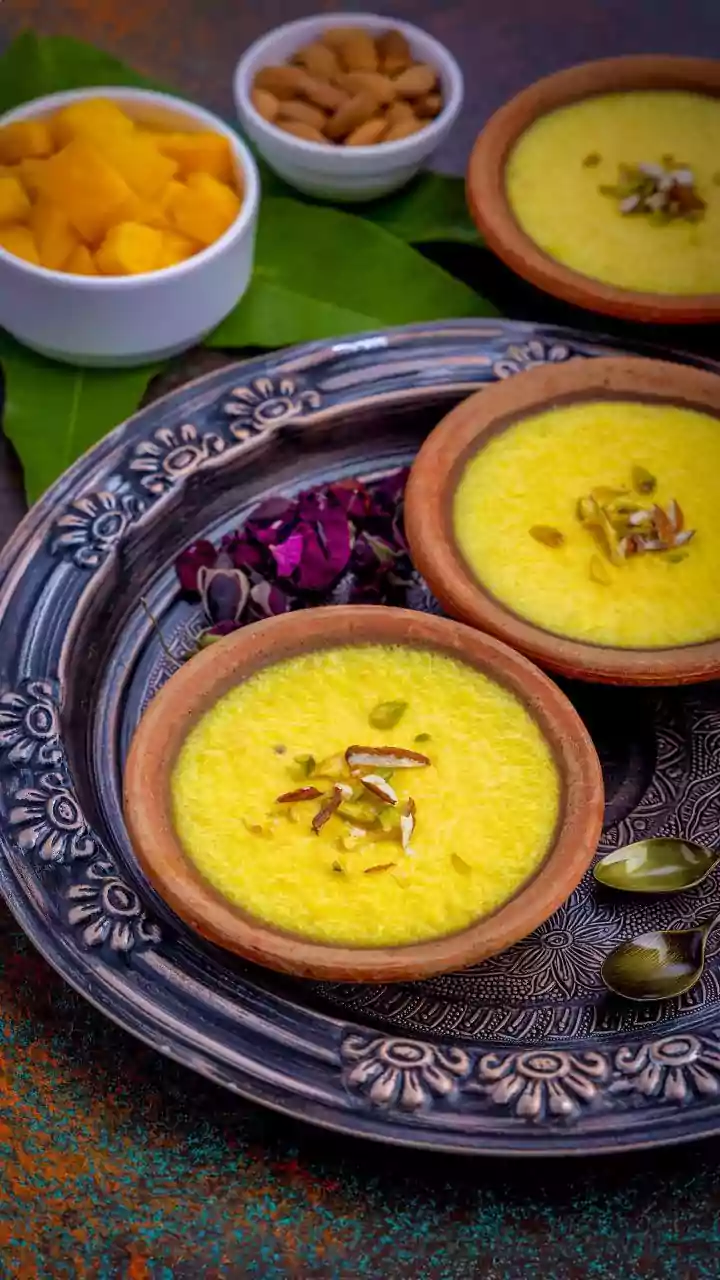
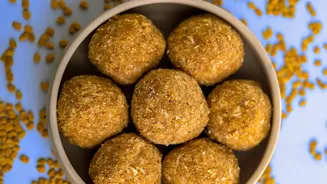
So, what does a low-sugar Janmashtami sweet look like? The key lies in swapping refined white sugar for natural, nutrient-rich alternatives. Jaggery (gur) is a popular choice, bringing with it a deep, caramel-like flavour and a wealth of minerals like iron. Date paste, made by simply blending soaked dates, offers fibre and a fudge-like sweetness perfect for laddoos and barfis. Other popular substitutes include coconut sugar, figs, and even plant-based sweeteners like stevia or monk fruit for those who need a zero-calorie option. Classic recipes are getting a makeover: Dhaniya Panjiri is being made with jaggery powder instead of sugar, Makhana Kheer is sweetened with a touch of date syrup, and energy bites made from nuts and seeds are replacing overly sugary pedas. The result is a platter of prasad that is both delicious and energizing, perfect for sustaining devotees through all-night prayers and festivities.
More Than a Trend, It's Cultural Evolution
This shift is more than just a passing health fad; it represents a meaningful evolution in how traditions are practiced. By adapting these recipes, young people are not diluting their culture but actively participating in it. They are making a statement that reverence and wellness can go hand-in-hand. This thoughtful approach ensures that traditions remain relevant and inclusive. It addresses a practical need in a country where health issues are a growing concern, allowing older family members and those with health restrictions to partake in the festive foods without worry. This adaptation is a form of respect, ensuring that the joy of sharing prasad can be experienced by all family members, bridging generational divides through food.
A Sweet Future for Tradition
The reaction to this culinary movement has been largely positive. While some purists may initially hesitate, many elders appreciate the care and thought behind these healthier options. They see it as a way for the younger generation to connect with their roots in a way that feels authentic to them. This trend of mindful indulgence is not limited to Janmashtami; it is seen across various Indian festivals, from Diwali to Ganesh Chaturthi. It signals a broader shift in how Indians approach festive celebrations, blending timeless rituals with a modern understanding of health and well-being. These young innovators are ensuring that the sweet legacy of their culture will be savoured for many generations to come.