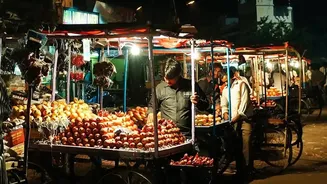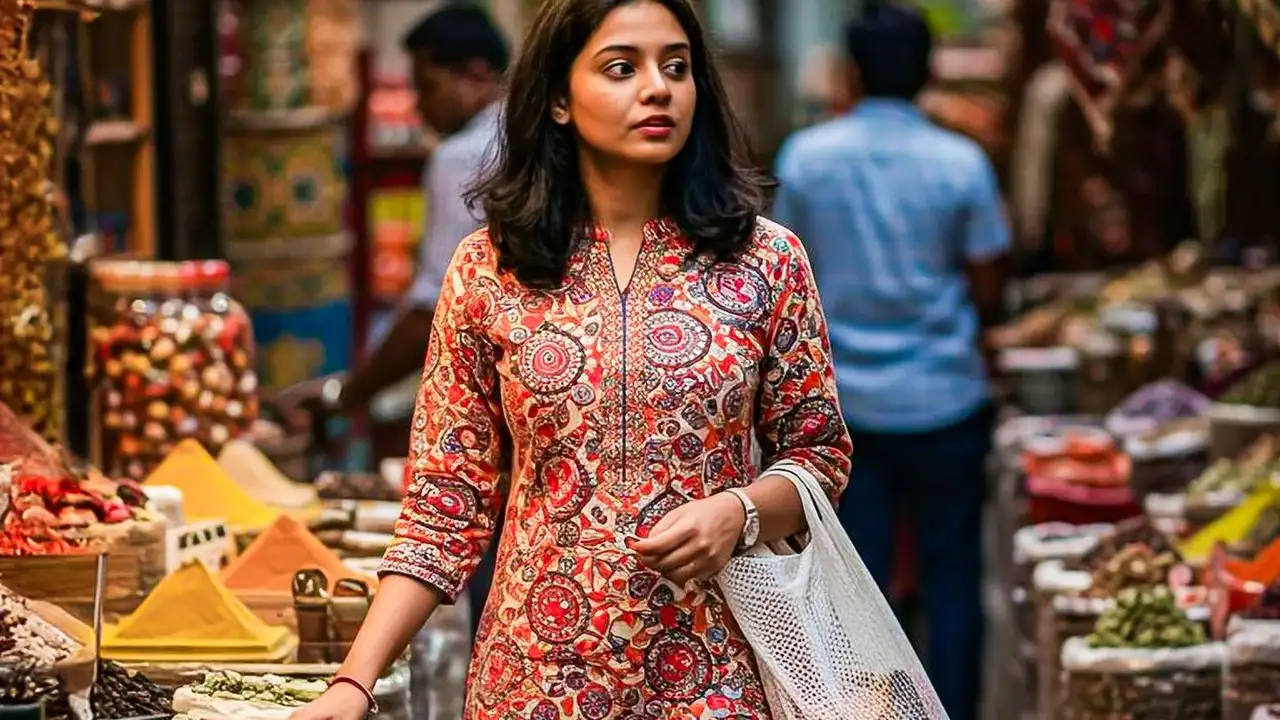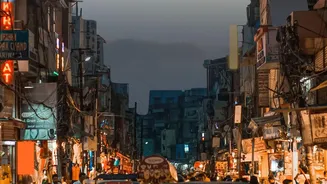






In an age of air-conditioned supermarkets and instant-delivery apps, a different kind of retail experience is thriving. India's bustling, chaotic, and vibrant local street markets are seeing a resurgence for daily needs.
The Irresistible Pull of Freshness and Value
For many urban shoppers, the primary
reason for returning to local markets is simple: perceived quality and better prices. Unlike pre-packaged goods in supermarkets, street markets offer the chance to personally inspect, select, and purchase produce, often believed to be fresher. This hands-on approach builds confidence in the quality of daily essentials like fruits and vegetables. Furthermore, these markets are renowned for competitive pricing. With lower overheads compared to large retail chains, vendors can often offer lower prices and the flexibility of bargaining, a culturally significant and interactive part of the shopping experience. This is particularly crucial as households remain price-sensitive and look for value in their everyday spending.
More Than a Transaction: A Community Hub
Shopping at a local market is rarely just about the purchase; it's a social and sensory experience. The lively atmosphere, the calls of vendors, and the scent of fresh produce create a vibrant environment that air-conditioned stores cannot replicate. These markets serve as community hubs where neighbours cross paths and social bonds are strengthened. Over time, shoppers often build personal relationships with vendors, fostering a sense of trust and loyalty. This connection goes beyond commerce, embedding the market in the social fabric of the neighbourhood and transforming a routine chore into a meaningful interaction. This personalised service is a key advantage that formal retail struggles to match.
A Post-Pandemic Re-evaluation of Local
The COVID-19 pandemic and subsequent lockdowns prompted a significant re-evaluation of local supply chains. When larger retail systems faced disruptions, it was often the neighbourhood kirana stores and local vendors who ensured a steady supply of essentials. This experience reinforced the reliability and importance of local businesses in the minds of many consumers. The pandemic highlighted the resilience of these informal networks and fostered a greater appreciation for supporting the local economy. A 2025 study found that over half of Indian consumers now prefer to buy from homegrown and small businesses, prizing authenticity and community connection.
Old-World Charm Meets Modern Convenience
The resilience of street markets isn't just about sticking to tradition; it's also about adapting to modern realities. The widespread adoption of UPI and other digital payment methods has seamlessly integrated into the market ecosystem, removing the friction of carrying exact change. This blend of old-world charm with newage technology has made shopping at local markets more convenient than ever. While quickcommerce apps have seen a surge in popularity for daily essentials, they have yet to fully capture the market for fresh produce. Recent data from November 2026 shows that online purchases account for just 1.32% of fresh vegetable sales, underscoring the continued dominance of physical markets for these items.
The Enduring Appeal in a Hybrid World
The Indian consumer's shopping habits are not a simple binary of online versus offline or modern versus traditional. Instead, a hybrid model is emerging where different channels serve different needs. Supermarkets and hypermarkets are preferred for bulk monthly purchases and a one stop shop experience. Quick commerce is used for urgent, specific needs. But for the daily ritual of buying fresh, high quality food, the local street market holds a special and enduring place. It thrives by offering something that modern retail often strips away: a sense of place, human connection, and a direct link to the food we eat.