
Why Is Venus So Bright?
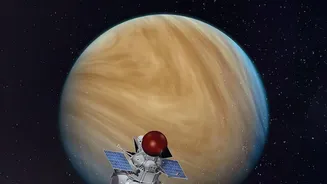
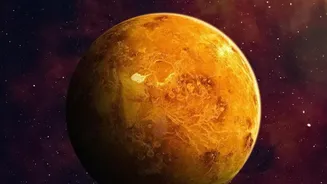
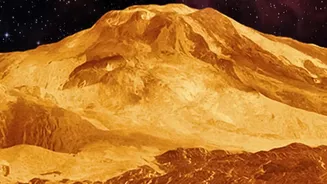
Venus is often called the 'Evening Star' or 'Morning Star' for its prominent, steady glow. But on September 18, it will be exceptionally luminous, reaching what astronomers call its 'greatest brilliancy'. This phenomenon occurs due to a perfect combination
of two factors: how much of the planet's sunlit side we can see and its distance from Earth. As Venus orbits closer to us, its apparent size in our sky grows. While it will appear as a slim crescent phase through a telescope, its proximity makes the illuminated portion cover the largest possible area of our sky, an event known as 'greatest illuminated extent'. This alignment results in the planet shining at its brightest for the year, reaching a dazzling magnitude of -4.8, brighter than any other star or planet in the night sky.
When and Where to Look
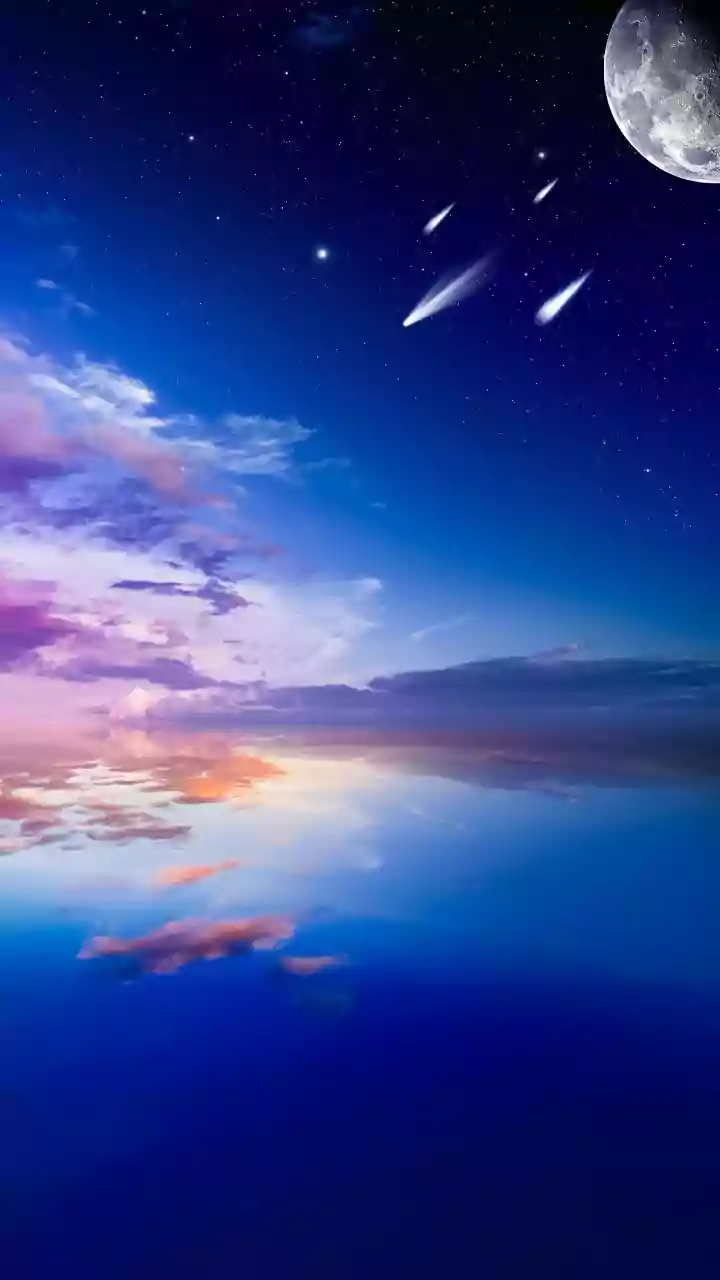
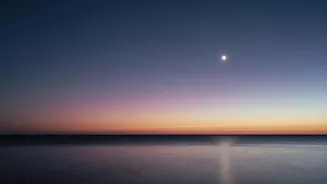
To catch Venus at its peak, you won't need to stay up all night. The best time to observe the planet will be shortly after sunset. Look toward the western or west-southwestern horizon as twilight begins to fade. Venus has been a fixture of the evening sky for months, but throughout September it will appear lower on the horizon with each passing day as it prepares to transition into the morning sky later in the year. For those in India and surrounding regions, find a location with a clear, unobstructed view of the western horizon. The planet’s intense brightness will allow it to punch through the evening twilight, making it unmistakable. On September 14, you can also catch a beautiful pairing of a thin crescent Moon near the brilliant planet, making for an extra special photo opportunity.
A Naked-Eye Spectacle
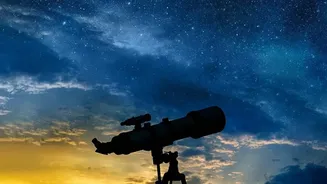
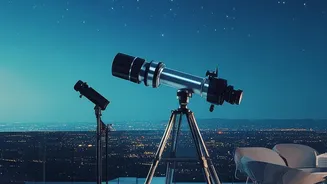
One of the best parts about this celestial event is its accessibility. You do not need any special equipment to see Venus at its brightest; its powerful glow will be easily visible to the naked eye, even from light-polluted cities. Unlike stars, which twinkle due to atmospheric turbulence, planets like Venus typically shine with a steady, unwavering light. This makes it easy to distinguish from the surrounding stars. For an enhanced view, a simple pair of binoculars is an excellent tool. Through binoculars or a small telescope, you might be able to discern the planet's crescent shape, similar to a miniature moon. The sight of Venus as a crescent is a fascinating reminder that it, like our Moon, has phases based on its position relative to the Earth and Sun.
Tips for the Best Viewing Experience
To make the most of your stargazing session, a little preparation goes a long way. First, find a spot away from direct streetlights or building lights. While Venus is bright enough to overcome significant light pollution, a darker environment will always improve the view and allow you to see other nearby stars. Give your eyes about 20 to 30 minutes to fully adjust to the darkness. Because Venus will be low on the horizon, atmospheric turbulence can affect the clarity of the view, especially through a telescope. Patience is key; wait for moments of steady 'seeing' when the image becomes sharp. You can also use stargazing apps on your smartphone to confirm Venus's location and identify other celestial objects that might be visible nearby, such as the star Spica or the planet Saturn, which will be visible for much of the night.
More to See in the September Sky
While Venus is the star of the show on September 18, it's not the only planet gracing our skies this month. All five naked-eye planets—Mercury, Venus, Mars, Jupiter, and Saturn—are visible at various times. Saturn will appear in the eastern sky after sunset and remain visible for most of the night. For the early risers, Mars and a brilliant Jupiter will be visible in the pre-dawn eastern sky. On the mornings of September 6 and 8, you can see the waning crescent Moon pass near Mars and Jupiter, respectively. These planetary alignments offer wonderful opportunities for skywatchers to appreciate the dynamic nature of our solar system from their own backyards.