






The Problem with a Refined Start
Many common breakfast foods, such as white bread, instant noodles, and processed cereals, are made from refined carbohydrates. During processing, the grain's most nutritious parts—the bran and germ—are stripped away, leaving behind simple starch. While
these foods provide a quick burst of energy, it comes at a cost. They cause a rapid spike in blood sugar levels, followed by a sharp crash. This "glucose rollercoaster" can leave you feeling tired, hungry, and irritable just a few hours after your meal, often leading to unhealthy snacking. Diets high in refined carbs have been linked to an increased risk of weight gain and other health issues over time.
Millets: The Nutrient-Dense Comeback Kid
Millets, once a staple in Indian households, are making a powerful comeback. Grains like jowar (sorghum), bajra (pearl millet), and ragi (finger millet) are nutritional powerhouses. Compared to refined grains, they are packed with dietary fiber, protein, and essential minerals like iron, magnesium, and phosphorus. This high fiber content aids digestion and promotes gut health. Moreover, millets have a low glycemic index, which means they release sugar into the bloodstream slowly, providing a steady and sustained supply of energy. This prevents the dreaded mid-morning slump and keeps you feeling full and focused for longer. Being naturally gluten-free, they are also an excellent option for those with gluten sensitivities.
Oats: The Heart-Healthy Champion
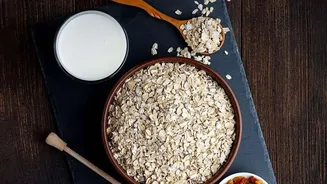
Oats have secured their place as a go-to healthy breakfast for good reason. They are particularly famous for a type of soluble fiber called beta-glucan. This fiber is known to help lower cholesterol levels and support heart health. Like millets, oats are a great source of complex carbohydrates, protein, and vital nutrients, offering a well-rounded start to the day. The less processed the oats, such as steel-cut or rolled oats, the more slowly they are digested, providing lasting energy and promoting feelings of fullness that can aid in weight management. Their creamy, comforting texture makes them incredibly versatile for porridges, smoothies, and baked goods.
A Return to Roots and Sustainability
The shift towards millets and oats is more than just a health trend; it reflects a broader movement towards conscious and sustainable eating. Millets are climate-resilient crops that require less water and can grow in arid conditions, making them an environmentally friendly choice. Government initiatives and a renewed appreciation for traditional foods have also fuelled their resurgence. The United Nations declaring 2023 as the International Year of Millets, at India's behest, has further boosted awareness globally. By choosing these grains, consumers are not only making a better choice for their own health but also supporting agricultural biodiversity and a return to India's rich culinary heritage.