





The Problem with ‘Fast Travel’
We all know the script. You have ten days of leave, and the goal is to cram in as many cities, countries, and Instagram-worthy sights as possible. This ‘fast travel’ approach is born from a fear of missing out. The result? A frantic highlights reel. You get
the photo in front of the Eiffel Tower, the Colosseum, and the Taj Mahal, but you miss the soul of the place. You move from one tourist bubble to another, interacting only with ticket vendors and hotel staff. You return home more tired than when you left, with a collection of photos but few genuine memories. It’s a travel style that prioritises quantity over quality, ticking boxes instead of making connections.
What It Means to Travel ‘Deep’
‘Deep travel’, often called ‘slow travel’, is the antidote to this frenzy. It’s a mindset, not a speed. It means choosing to explore one neighbourhood instead of three cities. It means spending an afternoon in a single café, watching the world go by, instead of rushing between three museums. Deep travel is about immersion. It’s about understanding the rhythm of a place, learning a few words of the local language, shopping at the neighbourhood market, and allowing for serendipity. It swaps the checklist for curiosity. Instead of asking “What’s next?”, you ask “What’s here?”. This approach transforms you from a mere tourist into a temporary local, fostering a richer, more profound connection with your destination.
Focus on One Place
The first step to deeper travel is radical simplicity: pick one primary destination. Instead of a whirlwind tour of three different states in a week, choose one region and truly explore it. For example, instead of trying to ‘do’ all of Rajasthan, spend your entire trip exploring the small towns and rural culture of the Shekhawati region. Or, rather than hopping between multiple Southeast Asian countries, immerse yourself in Northern Thailand. This allows you to unpack your bags, settle in, and get your bearings. You’ll save time and money on transit, reduce travel-related stress, and have the mental space to actually absorb your surroundings. You’ll discover hidden gems that aren't in any guidebook simply because you gave yourself the time to wander.
Build a Looser Itinerary
A packed, minute-by-minute itinerary is the enemy of deep travel. While it’s good to have a few key things you want to see or do, leave large chunks of your day completely unplanned. This empty space is where the magic happens. It’s the freedom to follow an interesting-looking alleyway, to accept a local’s invitation for a cup of chai, or to spend an entire morning reading a book in a park. Spontaneity is a muscle that strengthens with use. By not over-scheduling, you give yourself permission to be present and respond to the opportunities the day presents, rather than constantly checking your watch for the next scheduled activity.
Connect with the Community
Deep travel is about people. Make a conscious effort to step outside the tourist zone. Eat at small, family-run restaurants where locals go, not just the top-rated ones online. Shop at local markets instead of souvenir chains. A simple way to do this is to learn a few basic phrases in the local language—'hello', 'thank you', 'delicious'. The effort is almost always appreciated and can open doors to more meaningful interactions. Consider staying in a homestay or a locally-owned guesthouse instead of a large, impersonal hotel chain. This not only supports the local economy but also gives you a direct line to someone who can offer authentic recommendations.
Learn a Local Skill
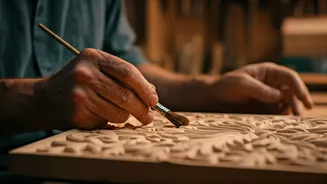
One of the most rewarding ways to connect with a culture is to learn something new. Sign up for a cooking class to understand the secrets behind the local cuisine. Take a pottery workshop, a traditional dance lesson, or a language class. These activities move you from passive observer to active participant. You’re not just consuming the culture; you’re engaging with it. This creates powerful, lasting memories that go far beyond a simple photograph. It gives you a skill and a story to bring back home, a tangible piece of the place you visited that becomes a part of you.