





The Batter Boom
The foundation of this new era is built on batter. For years, the market for fresh idli and dosa batter was a fragmented, unorganised industry. Today, companies have turned it into a massive, scalable business. Leading the charge is iD Fresh Food, a Bengaluru-based
brand that started in 2005 from a tiny kitchen. By prioritising hygiene, quality, and convenience, iD Fresh essentially created a new FMCG category: branded, ready-to-cook, preservative-free batter. The market for idli and dosa batter in India was valued at approximately ₹500 crore in 2023, growing at a rapid 18% compound annual growth rate. This growth is fuelled by urbanisation, busy lifestyles, and a consumer base willing to pay a premium for a product that saves time without compromising on the feeling of a home-cooked meal. This organised batter market has made enjoying fresh idlis an everyday convenience for millions.
Rise of the Idli-Bot
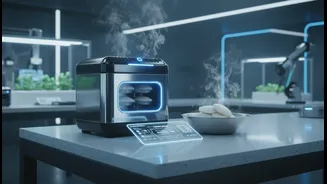
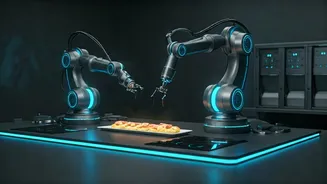
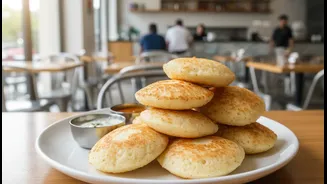
Beyond batter, technology is propelling the idli into a 24/7 food phenomenon. In cities like Bengaluru, automated vending machines, or 'idli ATMs', are changing how people access this comfort food. Startups like Freshot Robotics and Possibillion Software Technologies have developed machines that dispense piping hot, freshly steamed idlis with chutney and sambar at the scan of a QR code. This innovation was born from a simple need: getting hot, hygienic food at any hour. These machines can produce dozens of idlis in minutes, offering a contactless and convenient meal solution that appeals to office workers, students, and late-night snackers alike. While still a nascent concept, these idli-bots represent a futuristic leap for a traditional dish, merging robotics with culinary heritage.
The Health Halo
In an increasingly health-conscious world, the idli’s natural virtues are a powerful business asset. It is steamed, not fried, making it naturally low in fat. The fermentation process required for the batter not only makes it light and easy to digest but also enhances the bioavailability of nutrients and supports good gut health. This makes idli a preferred choice on hospital menus and in diet plans. Entrepreneurs are leaning into this 'health halo' by innovating with healthier ingredients. You can now find idlis made from millets, oats, ragi, and quinoa, catering to a wellness-focused demographic. This positioning as a nutritious, convenient meal gives it a distinct advantage over many other fast-food options.
From Breakfast to All-Day Snack
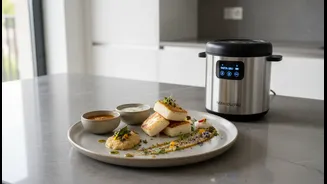
The idli is also breaking free from its breakfast-only image. Quick-service restaurants (QSRs) and cloud kitchens are reimagining it as an all-day snack. Idli franchises like Naadbramha are expanding rapidly across multiple states, demonstrating the wide appeal of a specialized, idli-centric menu. We are also seeing creative new formats, such as mini-idlis tossed in podi, fried idli sticks, and stuffed idlis, which are perfect for on-the-go consumption. This versatility has expanded its market, appealing to a broader audience, including children and those looking for a light evening snack. The low cost of raw materials and high demand throughout the day make idli-focused stalls and carts a highly profitable venture for small entrepreneurs.
The New Idli Entrepreneurs
This transformation is being driven by a new generation of entrepreneurs. The story of iD Fresh Food, founded by P.C. Musthafa, the son of a daily wage labourer, who went on to get an MBA and build a company valued at over ₹4,500 crore, is an inspirational tale of this new era. The company, which began with a small investment, now serves cities across India and the UAE. But the opportunity extends beyond large corporations. The growth in the ready-to-cook market and the demand for hygienic street food have enabled countless small businesses and home-based entrepreneurs to thrive by selling batter or running local idli kitchens. This democratisation of opportunity is perhaps the most significant aspect of the idli's business journey.